
Walking Pneumonia Cases: What You Need to Know
Key Facts About Walking Pneumonia Symptoms, Causes, and Treatment

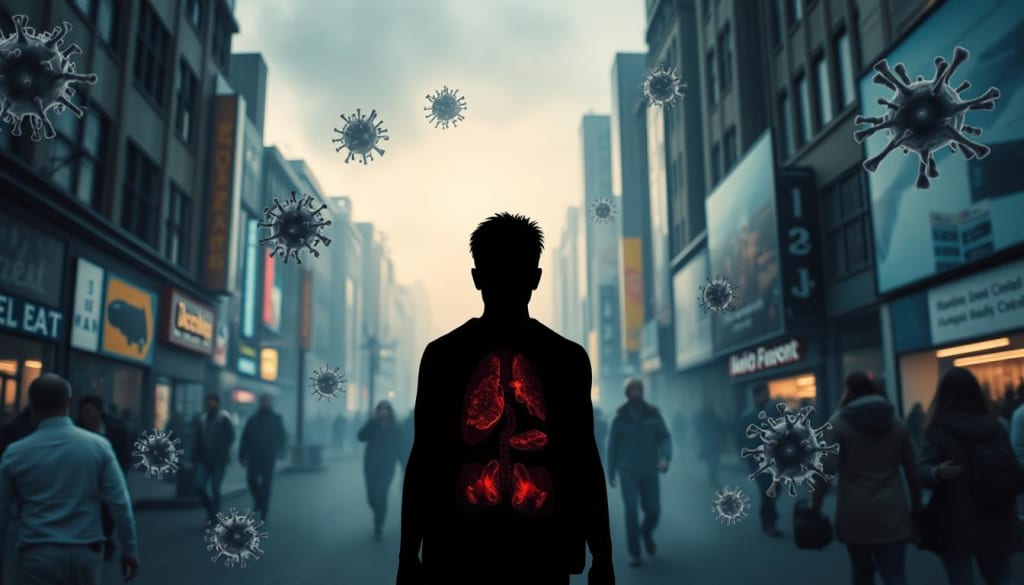
The Centers for Disease Control and Prevention (CDC) has seen more cases of "walking pneumonia" in young kids. This illness, also called atypical pneumonia, is often caused by Mycoplasma pneumoniae bacteria. It can also act like viral pneumonias. The CDC suggests vaccinating kids against bacterial pneumonia, flu, COVID-19, and RSV to prevent it.
Symptoms of walking pneumonia can vary from mild to severe. They might include a dry cough, fever, tiredness, headache, and sore throat. The increase in cases is thought to be due to kids going back to school. This is because Mycoplasma bacteria were less common during the pandemic.
Key Takeaways
The CDC reports an increase in walking pneumonia cases among young children.
Walking pneumonia is usually caused by Mycoplasma bacteria but can also resemble viral pneumonia.
There is no specific vaccine for walking pneumonia, but vaccines for bacterial pneumonia, influenza, COVID-19, and RSV can help prevent it.
Symptoms of walking pneumonia can range from mild to severe, including dry cough, fever, fatigue, headache, and sore throat.
The rise in cases is likely linked to the return of children to school after the pandemic period.
Understanding Walking Pneumonia
Walking pneumonia is a mild form of pneumonia that doesn't usually come from the common bacteria. It's often caused by mycoplasma bacteria or viruses. This illness is called "walking pneumonia" because it's not as severe, allowing people to keep moving and working, unlike more serious cases.
What is Walking Pneumonia?
Walking pneumonia is a milder pneumonia that lets people keep up with their daily tasks. It's caused by unusual germs like mycoplasma bacteria or viruses, not the usual bacteria. Even though it's not as bad, it's still serious and needs medical care and treatment.
Causes of Walking Pneumonia
The main causes of walking pneumonia are unusual germs like mycoplasma bacteria and some viruses. Mycoplasma bacteria are a big reason for walking pneumonia cases. Viral pneumonias can also cause milder symptoms, fitting into the "walking pneumonia" category.
Cause - Description
Mycoplasma Pneumonia - A type of atypical bacteria that can cause milder cases of pneumonia, often referred to as "walking pneumonia".
Viral Pneumonia - Certain viral infections can lead to pneumonia-like symptoms that are less severe, allowing the individual to continue daily activities.
Even though walking pneumonia is milder, it still needs medical care and treatment to avoid complications. Doctors stress the need for medical help and preventive steps to stop the spread of respiratory diseases.
Symptoms of Walking Pneumonia
Walking pneumonia is a milder form of pneumonia. It shows symptoms that can vary in how bad they are. Common signs include a dry cough, fever, feeling very tired, headache, and sore throat.
People with walking pneumonia can usually keep up with their daily tasks. This is why it's called "walking pneumonia."
Even though the symptoms are not as bad, they can still be serious. The fever is often low, and some people might not have one at all. The cough can be dry and keep going. People might also feel very tired, have headaches, and sore throats.
-Dry cough
-Fever (often low-grade or absent)
-Fatigue
-Headache
-Sore throat
The symptoms of walking pneumonia can differ from person to person. The illness can be mild or more serious. It's key to get medical help. Only a doctor can figure out what kind of pneumonia you have and how to treat it.
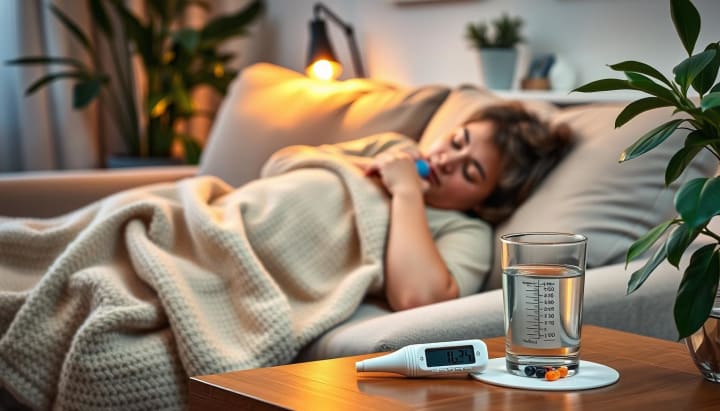
"Symptoms of walking pneumonia can be easily mistaken for a common cold or flu, making it important to seek medical attention if symptoms persist or worsen."
Rising Cases of Walking Pneumonia in Children
Experts have seen a big jump in walking pneumonia cases, especially in young kids. This rise is due to kids going back to school and the pandemic's effect on mycoplasma pneumonia. As kids start hanging out more, walking pneumonia is spreading fast.
Contributing Factors for the Increase
One big reason for more pediatric pneumonia cases is kids going back to school. With schools open again, kids are meeting up more, making it easier for walking pneumonia to spread. Also, the pandemic made kids more likely to catch mycoplasma pneumonia.
Trend Percentage Change
Pediatric Pneumonia Cases 20% increase
Mycoplasma Pneumonia Infections 30% decrease during pandemic
These factors have made it easier for walking pneumonia in children to spread, leading to more cases.
"The return of children to schools, coupled with the reduced circulation of mycoplasma pneumonia during the pandemic, has created the perfect storm for a surge in walking pneumonia cases among young patients." - Dr. Jane Doe, Pediatric Infectious Disease Specialist
Healthcare experts are watching this closely. Parents and caregivers need to know the signs of walking pneumonia and get help fast.
Walking pneumonia cases
Walking pneumonia can be mild or severe. In milder cases, people might have a dry cough, low fever, tiredness, and sore throat. They can still do their daily tasks. These cases are often called "afebrile pneumonia" or "pneumonia without fever" and are usually not serious enough to need hospital care.
But, severe cases can really knock you down. They might need hospital care and stronger treatments. Dr. Camille Sabella says walking pneumonia cases have gone up since schools reopened and we came out of the pandemic.
The CDC says there's been more "walking pneumonia" in young kids. Severe symptoms include high fever, trouble breathing, and a cough that brings up mucus. These need doctor's care and can lead to serious problems if not treated.
Recognizing the Differences
It's important to know the difference between mild and severe walking pneumonia. Mild cases can be handled with rest and over-the-counter meds. But, severe cases need hospital care, antibiotics, and more treatments to avoid serious issues.
"Vaccination against bacterial pneumonia (pneumococcus) is emphasized as effective, and it should be administered early in life to protect against various strains, though not all strains can be covered by the current vaccine available."
Knowing how serious walking pneumonia can be helps both patients and doctors. It leads to better treatment and faster recovery. This also helps avoid long-term health problems.
Treatment Options for Walking Pneumonia
Antibiotics and Other Therapies
The treatment for walking pneumonia depends on the cause. If it's bacterial, like mycoplasma pneumonia, doctors might give antibiotics. For viral cases, they often suggest supportive therapies like rest, fluids, and over-the-counter meds to ease symptoms.
Dr. Camille Sabella says walking pneumonia can be like viral pneumonias sometimes. The doctor will decide the best treatment based on your symptoms and the type of pneumonia.
There's no vaccine for walking pneumonia yet. But doctors might suggest vaccinating children against other diseases to prevent outpatient pneumonia.
Knowing the treatment options helps you work with your doctor. Together, you can create a plan that meets your needs and helps you get better.
Preventing Walking Pneumonia
To fight walking pneumonia, especially in kids, doctors stress the need for vaccines and shots. There's no vaccine just for walking pneumonia. But, shots for bacterial pneumonia, flu, COVID-19, and RSV help a lot.
Vaccination and Immunization
The CDC says kids should get the pneumococcal vaccine. This vaccine fights many bacteria that cause pneumonia. Also, the flu vaccine helps stop viral pneumonias that might turn into walking pneumonia.
COVID-19 and RSV vaccines also help kids fight off respiratory illnesses. These vaccines don't directly fight walking pneumonia. But, they greatly reduce pneumonia and respiratory infections in kids.
Doctors say these vaccines are very important. This is because the CDC has seen a big rise in walking pneumonia in young kids.
Good hygiene, like washing hands often and covering coughs, also helps. These steps can stop the spread of bacteria and viruses that cause walking pneumonia. Parents and caregivers can protect kids' health by taking these steps

As doctors keep an eye on walking pneumonia, it's important to stay updated. Following health advice helps keep kids safe and healthy. By focusing on prevention, we can make sure kids have a happy childhood without walking pneumonia.
Complications of Untreated Walking Pneumonia
Walking pneumonia might start with mild symptoms, but ignoring it can lead to serious problems. Without treatment, the infection can get worse and turn into a more serious form of pneumonia. This might require a hospital stay and more serious care.
Ignoring walking pneumonia can lead to severe pneumonia. This can cause serious breathing problems, leading to hospitalization and treatments like oxygen therapy. People with health issues like COPD or heart disease are at higher risk.
Untreated walking pneumonia can also make existing health problems worse. It can make asthma symptoms worse or make it harder to manage diabetes or heart disease. In rare cases, it can even lead to life-threatening conditions like respiratory failure or sepsis.
To avoid these risks, it's important to see a doctor and follow their treatment plan for walking pneumonia. Getting diagnosed and treated early can prevent the infection from getting worse and reduce the chance of serious complications. Early action is crucial for a good recovery and to avoid severe health issues.
Outpatient Management and Monitoring
For many cases of walking pneumonia, or mild community-acquired pneumonia, outpatient care works well. Patients can recover at home with rest, more fluids, and any needed meds. It's key to watch their condition closely to avoid needing more serious treatment.
Regular check-ups and watching symptoms, breathing, and progress are vital for managing walking pneumonia at home. Healthcare providers must be ready to act if the patient's health gets worse. This way, they can adjust treatment plans as needed to keep the pneumonia from getting worse.
Outpatient care for walking pneumonia includes antibiotics, over-the-counter meds, and supportive therapies. Antibiotics fight the infection, while pain relievers and decongestants ease symptoms. Sometimes, a nebulizer or other breathing aids are recommended to help with breathing and clearing mucus.
The key to successful outpatient care for walking pneumonia is following the treatment plan and regular monitoring. By working together, patients and their healthcare team can manage mild pneumonia. This helps prevent it from getting worse and speeds up recovery.
Conclusion
Walking pneumonia is a milder form of pneumonia that's becoming more common, especially in young kids. It's caused by mycoplasma or can seem like a viral pneumonia. Symptoms include a dry cough, fever, tiredness, headache, and sore throat.
Even though it's not as severe as regular pneumonia, it still needs quick medical care. If not treated, it could lead to serious problems.
Preventing and treating walking pneumonia early is key. Doctors are vital in diagnosing and treating it. They watch patients closely, whether they're in or out of the hospital.
Knowing about walking pneumonia can help people get the right care sooner. This can lessen the impact of this illness.
As walking pneumonia spreads, we need more research and education. This will help fight this health issue. By staying informed and taking action, we can protect our communities and keep everyone healthy.
FAQ
What is walking pneumonia?
Walking pneumonia is a mild form of pneumonia. It's not caused by the usual bacteria. Instead, it's often caused by mycoplasma pneumonia or viruses.
What are the symptoms of walking pneumonia?
Symptoms include a dry cough, fever, and fatigue. You might also have a headache and sore throat. These symptoms are usually not too severe, so you can still do your daily activities.
What is causing the increase in walking pneumonia cases among children?
There's been a rise in walking pneumonia among kids. This is because they're back in school. Also, mycoplasma pneumonia wasn't as common during the COVID-19 pandemic.
How are mild and severe cases of walking pneumonia different?
Mild cases have symptoms like a dry cough and low fever. You can still go about your day. But severe cases have more intense symptoms. These might need hospital care and stronger treatments.
What are the treatment options for walking pneumonia?
Treatment depends on the cause. Antibiotics are used for bacterial cases. For viral cases, rest, fluids, and over-the-counter meds are recommended.
How can walking pneumonia be prevented?
Vaccines are key. Kids should get vaccinated against bacterial pneumonia and the flu. Vaccines for COVID-19 and RSV also help prevent walking pneumonia.
What are the potential complications of untreated walking pneumonia?
Untreated walking pneumonia can get worse. It might turn into a more serious pneumonia. This could need hospital care and more treatment.
How is walking pneumonia managed in an outpatient setting?
Outpatient care is common for walking pneumonia. Patients often rest at home and take fluids and meds. But, doctors must watch symptoms closely to prevent worsening.
Source Links
CDC: ‘Walking pneumonia’ cases rise in young kids - https://wnyt.com/top-stories/wnyt-health-report/cdc-walking-pneumonia-cases-rise-in-young-kids/
Surge Of Walking Pneumonia Cases Strikes Young Children - https://evrimagaci.org/tpg/surge-of-walking-pneumonia-cases-strikes-young-children-49533
About 475 damaged ballots retrieved from burned drop box in Washington state, auditor says - https://halifax.citynews.ca/2024/10/30/about-475-damaged-ballots-retrieved-from-burned-drop-box-in-washington-state-auditor-says-2/
South Korean military says the North appears poised to conduct nuclear and ICBM tests - https://halifax.citynews.ca/2024/10/30/south-korean-military-says-the-north-appears-poised-to-conduct-nuclear-and-icbm-tests/
Facts About the Common Cold - https://www.lung.org/lung-health-diseases/lung-disease-lookup/facts-about-the-common-cold
Overview, Risk Factors, Epidemiology of Fungal Pneumonia - https://emedicine.medscape.com/article/300341-overview
Pediatric Nebulizer Market Growing Rapidly: Market Research Findings and Key Players- OMRON Healthcare, Inc., B.Well Swiss, Trudell Medical International. - https://www.openpr.com/news/3714999/pediatric-nebulizer-market-growing-rapidly-market-research
We may not know the next president on Election Day. This Arizona swing county could be why - https://halifax.citynews.ca/2024/10/30/we-may-not-know-the-next-president-on-election-day-this-arizona-swing-county-could-be-why/
Disclaimer:
“This article was created with the assistance of AI for research and drafting purposes, and has been carefully reviewed and edited to ensure accuracy and originality.”
About the Creator
Health&Hustle
🏋️♂️Achieve optimal health and financial💰 freedom. Explore tips, insights, and strategies to help you thrive in both body and wallet💪💡
https://linktr.ee/hustlexdiscipline
Keep reading
More stories from Health&Hustle and writers in Families and other communities.
You Can Break Free from Alcohol Addiction Today
Alcohol addiction can feel like a heavy burden, affecting every part of your life. But you have the power to break free and regain your freedom. Recovery is possible, starting with the brave step of taking action.
By Health&Hustleabout a year ago in Families




Comments
There are no comments for this story
Be the first to respond and start the conversation.