
Unraveling the Emotions That Shaped My Life
Exploring the Impact of Early Family Conflicts and the Lasting Power of Childhood Memories

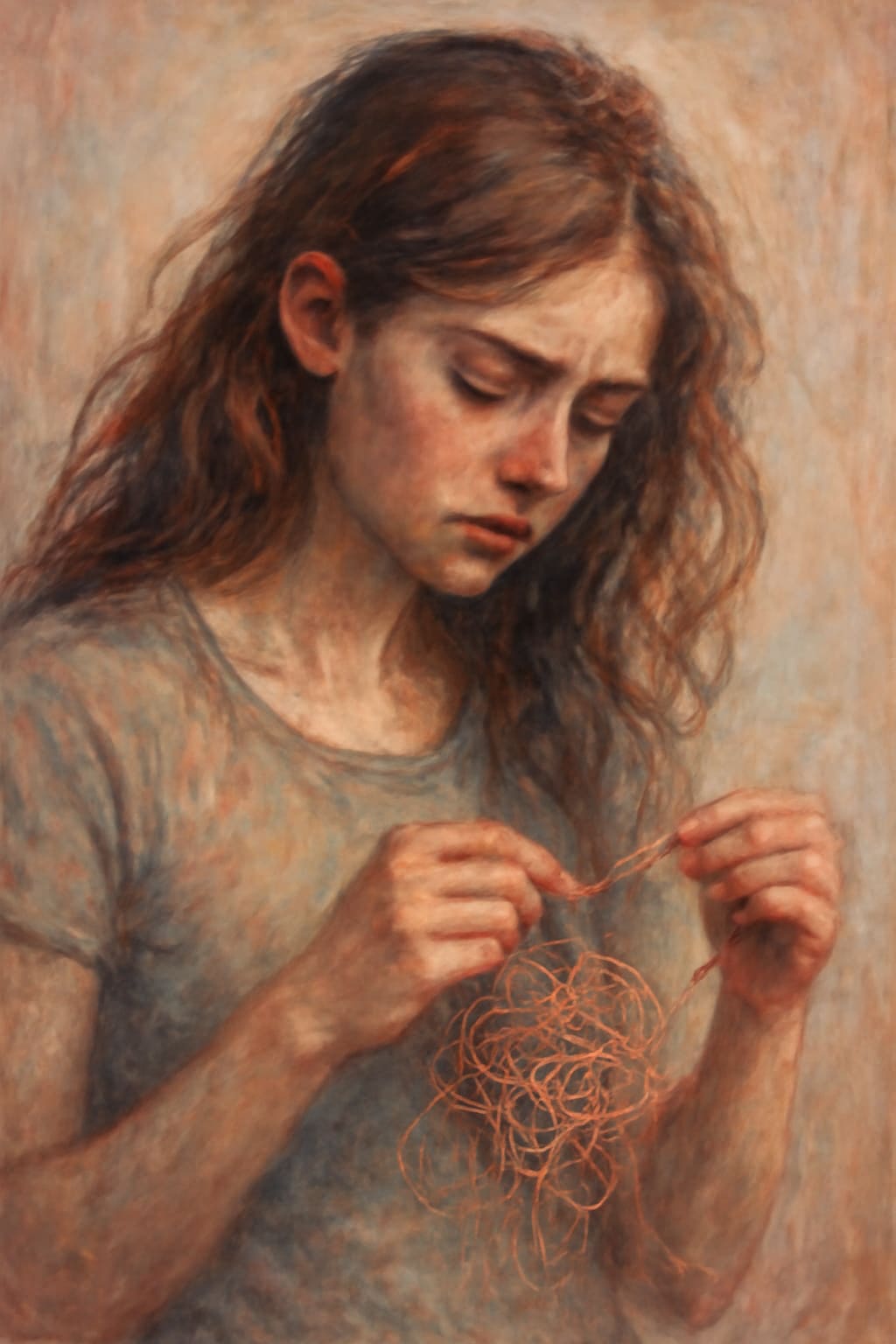
Family is where our story begins. For many of us, it’s our first experience of love, support, and tradition. But what happens when that love is intertwined with drama, misunderstandings, and emotional conflict? Growing up in a home filled with both laughter and chaos, I discovered how deeply family drama and childhood memories are connected—and how they shape who we become as adults.
My childhood was a blend of joy and tension. I remember waking up to the smell of parathas sizzling in the kitchen, hearing my mother humming softly while preparing breakfast. That memory still warms my heart. But I also remember the heated arguments between my parents echoing through the walls at night. The contrast was confusing for a child still learning how to navigate emotions.
Family drama isn’t always loud. Sometimes it’s the unspoken silence between relatives at the dinner table, the emotional coldness in a sibling’s tone, or the pressure to be someone you’re not just to keep peace. I often found myself caught in the middle—playing peacemaker, pretending not to hear, or tiptoeing around tension. These early experiences shaped my emotional responses more than I realized at the time.
One of the most dramatic moments I remember was during a family wedding. A minor disagreement between two aunts spiraled into a full-blown confrontation in front of guests. I was barely ten, but I remember hiding behind a curtain, watching the people I admired lose their temper over pride and unresolved past grudges. It was the first time I understood that adults weren’t always right—and love didn’t always mean peace.
Despite the chaos, there were magical moments. I remember festivals where we all gathered under one roof, cousins laughing uncontrollably, uncles playing cards, and my grandmother telling stories from her youth. Those moments are imprinted in my soul like sunshine after rain. Even in dysfunctional families, love finds a way to seep through the cracks.
But the drama left scars. I grew up being overly cautious in expressing myself. I feared confrontation, even when it was necessary. I internalized the idea that peace meant silence. As I matured, I realized how those unresolved family dynamics influenced my friendships, romantic relationships, and even how I viewed myself.
My father was a proud and emotionally distant man. We barely spoke about anything real. He showed love through actions, not words. Fixing my bicycle, paying school fees on time, or silently placing my favorite candy on the table after work—those were his love languages. But I longed for a conversation, a hug, or even a “how was your day?” I didn’t realize how much that emotional absence affected me until I became an adult who struggled with vulnerability.
My mother, on the other hand, was deeply expressive. She wore her heart on her sleeve and felt every emotion with intensity. She often became the center of family drama—not because she wanted to, but because she never knew how to let things go. I saw how resentment could simmer for years if left unchecked. Watching her was both painful and enlightening. She taught me empathy, but also the importance of emotional boundaries.
Then there were the siblings—my older brother, who always played the rebel, and my younger sister, the quiet observer. We had our share of fights, alliances, and secrets. I remember stealing candy together, covering for each other at school, and late-night talks when things at home got too loud. Our bond was the safety net in the middle of the storm.
Childhood memories are powerful. They’re not just scenes from the past—they’re emotional anchors. Some days, I remember running barefoot in the rain, chasing kites, or lying on the rooftop counting stars. Other days, I recall hiding in the bathroom with my fingers in my ears to block out an argument. These memories coexist, shaping how I feel about safety, love, and trust.
One of the hardest lessons I learned growing up in a dramatic family was that love is not always calm. Sometimes love is messy, loud, and confusing. But that doesn’t make it any less real. I saw my parents fight fiercely but also stand by each other in times of crisis. I learned that relationships require forgiveness, patience, and a willingness to grow through discomfort.
Family drama taught me about the importance of communication. Avoiding hard conversations only leads to emotional distance. I watched how lack of communication turned small issues into lifelong grudges. I promised myself I wouldn’t carry that pattern forward. As an adult, I now prioritize honest, respectful dialogue—even when it’s uncomfortable.
Another critical realization was understanding that healing doesn’t mean erasing the past. It means making peace with it. I used to wish my childhood had been more peaceful, more perfect. But now I see the value in those experiences. They made me more emotionally intelligent, compassionate, and self-aware. They taught me what not to do when I build a family of my own.
I also learned the importance of forgiveness—not for others, but for myself. For a long time, I blamed myself for not doing more to fix the dysfunction. But children are not meant to fix adults. That’s not their burden. Letting go of that guilt was liberating. It allowed me to see my inner child with kindness rather than blame.
Therapy helped me unpack a lot of these emotions. Speaking to a professional gave me the space to process childhood memories without judgment. It helped me identify patterns, break generational cycles, and learn how to set healthy boundaries. I recommend therapy to anyone struggling with the weight of family trauma—it’s not a weakness; it’s self-care.
Today, I maintain a balanced relationship with my family. I love them deeply, but I no longer sacrifice my peace for the sake of harmony. I’ve learned to show up with compassion while also protecting my emotional well-being. That balance took years to achieve, but it’s worth every step.
As I grow older, I find myself cherishing the good memories more and letting the painful ones lose their grip. I visit my childhood home with less resentment and more nostalgia. I hug my parents tighter, laugh with my siblings more often, and embrace the beautifully flawed people who raised me. Because in the end, family is not about perfection—it’s about connection.
Childhood memories and family drama are part of every human story. Some carry more scars than others, but all of us carry a piece of our past within us. Whether we use those pieces to build walls or bridges is up to us. I chose to build bridges—to connect the past with the present, to forgive without forgetting, and to love without losing myself.
No family is perfect. Every home has its share of secrets, wounds, and unresolved issues. But there’s also love, resilience, and hope. There’s always room for healing, even if it begins with a single conversation, a heartfelt letter, or an act of understanding. Sometimes, healing the past means becoming the person you needed back then.
Looking back, I’m grateful for the entire spectrum of experiences. The chaos taught me clarity. The silence taught me to speak. The pain taught me strength. And the memories—both beautiful and bitter—shaped me into someone who values emotional truth above all else.
About the Creator
Lana Rosee
🎤 Passionate storyteller & voice of raw emotion. From thoughts to tales, I bring words to life. 💫
Love my content? Hit Subscribe & support the journey! ❤️✨
Keep reading
More stories from Lana Rosee and writers in Families and other communities.
You don’t owe your parents anything, nothing
Parental relationships are among the most sacred connections in human life, but not every bond is built on love, support, or mutual respect. In cultures across the world, children are raised with the belief that they owe their parents unwavering loyalty, financial support, and emotional sacrifice simply because they were given life. But here’s a radical truth that is gaining momentum in mental health circles and personal development discussions—you don’t owe your parents anything, anything at all.
By Lana Rosee6 months ago in Families
Wise~Guys
— Look Behind what's in Front of You ~ Make Good Choices — Hey, So how you Doin'..! Made~Men — Mobster Movies romanticise a distinctive, elegant appearance, impeccable attire style, along with the 'Families' expressive lingo. Making their 'Bones' gave them Panache — with vintage fedoras, tailored pin-striped suits, mirror-polished wing-tip shoes adorned with tassels; with their 'Gun Moll' gorgeous dates on their arms.
By Jay Kantor17 days ago in Families




Comments
There are no comments for this story
Be the first to respond and start the conversation.