
Understanding PCOS: Unraveling the Complexities of Polycystic Ovary Syndrome
Exploring the Symptoms, Causes, and Management of PCOS for Improved Women's Health

Polycystic ovary syndrome (PCOS) is a hormonal disorder that affects many women of reproductive age. It can cause several symptoms, including irregular menstrual cycles, weight gain, hair growth on the face and body, and difficulty getting pregnant.
While there is no specific diet that can cure PCOS, eating a healthy and balanced diet can help manage symptoms and improve overall health.
Here are some dietary guidelines to follow:
Choose complex carbohydrates: Avoid simple carbohydrates like sugar and processed foods. Instead, opt for complex carbohydrates like whole grains, fruits, vegetables, and legumes. These foods will help keep you full and provide a slow release of energy throughout the day.
Focus on fiber: Fiber can help regulate blood sugar levels and improve digestion. Aim to eat at least 25 grams of fiber daily from sources like whole grains, fruits, vegetables, and legumes.
Include protein: Eating protein with each meal can help keep you full and maintain muscle mass. Good sources of protein include lean meats, poultry, fish, eggs, and plant-based sources like beans and tofu.
Choose healthy fats: Include healthy fats in your diet like avocados, nuts, seeds, and olive oil. These fats can help improve insulin sensitivity and reduce inflammation in the body.
Limit dairy: Some women with PCOS have difficulty tolerating dairy products. If you do consume dairy, choose low-fat options like skim milk or yogurt.
Be mindful of portions: Portion control is important when managing PCOS. Use measuring cups or a food scale to ensure you are eating appropriate portions.
Stay hydrated: Drinking plenty of water can help improve digestion, regulate hormones, and prevent dehydration.
In addition to these dietary guidelines, regular exercise, stress management, and getting enough sleep can also help manage PCOS symptoms.
Consult with a healthcare provider or a registered dietitian to develop a personalized diet plan that suits your individual needs and goals.
Causes of PCOS
The exact cause is unknown, but it is thought to be related to hormonal imbalances and genetics. Women with this disorder often have high levels of androgens, which are male hormones that women also produce in smaller amounts.
Diagnosing PCOS
It can be difficult to diagnose, as its symptoms can mimic those of other conditions.
To diagnose this disorder a healthcare provider will typically perform a physical exam, ask about symptoms, and may perform blood tests or imaging tests such as ultrasounds.
Lifestyle Changes for PCOS Management
While there is no known cure for this disorder, lifestyle changes can help manage its symptoms and improve quality of life.
It’s important to remember that it affects each person differently, and what works for one person may not work for another.
Importance of Diet and Exercise

Maintaining a healthy diet and engaging in regular exercise can help manage the symptoms.
Exercise can help regulate hormones and reduce insulin resistance, which is a common issue among those with this disorder.
A healthy diet can also help regulate hormones and manage weight.
Importance of Sleep
Getting adequate sleep is crucial for managing the symptoms. Sleep helps regulate hormones and reduces stress, which can worsen the symptoms.
Aim for at least 7-8 hours of sleep per night.
Managing Stress
Stress can worsen the symptoms, so it’s important to find ways to manage stress.
This may include practicing relaxation techniques such as meditation or yoga, engaging in enjoyable hobbies, or seeking support from a therapist or support group.
Medical Treatments for PCOS
In addition to lifestyle changes, there are also medical treatments available. Hormonal birth control, anti-androgen medications, metformin, ovarian drilling, and fertility treatments such as IVF are all options for those with PCOS.
Hormonal Birth Control
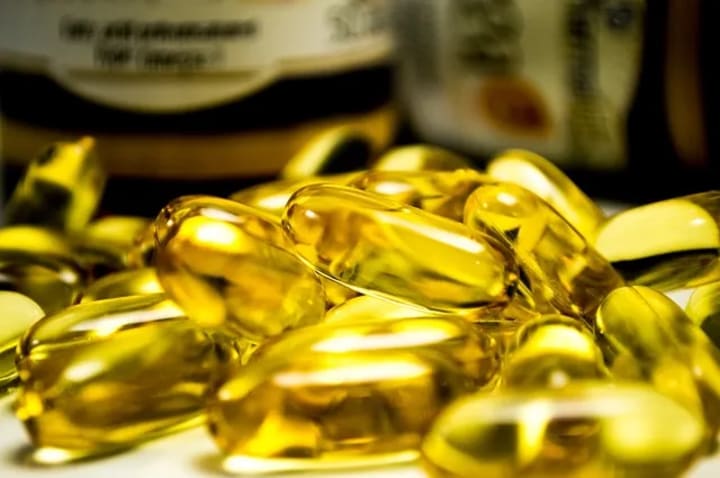
Hormonal birth control can help regulate menstrual cycles and reduce acne and excess hair growth in those with this disorder.
Anti-Androgen Medications
Anti-androgen medications are a class of drugs that can be used to help manage the symptoms by reducing the effects of androgens in the body.
Androgens are male hormones that are also present in females, but in lower levels.
Metformin
Metformin is a medication commonly used to treat insulin resistance , It can help regulate menstrual cycles and improve fertility in those with this issue.
Ovarian Drilling
Ovarian drilling is a surgical procedure that involves making small holes in the ovaries to reduce the production of androgens. It may be recommended for those with this disorder who are having difficulty in conceiving.
Fertility Treatments
For those with PCOS who are experiencing fertility issues, fertility treatments such as In Vitro Fertilization (IVF) may be recommended.
Coping with PCOS
Living with this hormonal condition can be challenging, but there is hope.
Finding Support
Joining a support group or seeking out a therapist who specializes in PCOS can be helpful for coping with the emotional aspects of this condition.
Advocating for Yourself
Advocating for yourself by speaking up about your symptoms and seeking out the right healthcare providers can help you get the care you need.
Staying Positive
Maintaining a positive outlook and focusing on the things you can control can help you manage the challenges of this hormonal condition.
In those with this disorder, the body may produce higher than normal levels of androgens, leading to symptoms such as acne, excess hair growth, and irregular menstrual cycles.
Conclusion
PCOS is a common hormonal disorder that affects many women of reproductive age. While there is no known cure for this hormonal condition, there are lifestyle changes, medical treatments, and coping strategies that can help manage its symptoms and improve quality of life.
By making positive changes to your diet and exercise habits, seeking out medical treatments when necessary, and finding support, you can take control of this hormonal condition and live a happy, healthy life.
For More Information Visit : www.foodandhealthzone.com
About the Creator
Jovita . M
Welcome to my page! Here, you'll find a captivating collection of thought-provoking articles that aim to entertain, inspire, and ignite your imagination. I strive to deliver content that leaves you craving for more knowledge.
Keep reading
More stories from Jovita . M and writers in Families and other communities.
The Paleo Diet: A Journey to Optimal Health
Introduction Are you tired of traditional diets that promise miraculous results but fail to deliver? Look no further than the revolutionary Paleo Diet! This groundbreaking eating plan has gained popularity for its ability to help people shed pounds, boost energy levels, and transform their lives.
By Jovita . M3 years ago in Families
Wise~Guys
— Look Behind what's in Front of You ~ Make Good Choices — Hey, So how you Doin'..! Made~Men — Mobster Movies romanticise a distinctive, elegant appearance, impeccable attire style, along with the 'Families' expressive lingo. Making their 'Bones' gave them Panache — with vintage fedoras, tailored pin-striped suits, mirror-polished wing-tip shoes adorned with tassels; with their 'Gun Moll' gorgeous dates on their arms.
By Jay Kantorabout a month ago in Families
Compulsions
Millions of Pakistanis live in the United States, having migrated from their homeland in search of a better life. By “a better life,” most people usually mean financial stability—and indeed, many do achieve it. Yet behind this apparent success lie countless struggles, silent sacrifices, and painful stories that rarely come to light.
By Sudais Zakwana day ago in Families




Comments