
Transform Your Yard into a Paradise with Tree Pruning and Fence Repair Tips
Let's get started on creating the perfect outdoor oasis together!

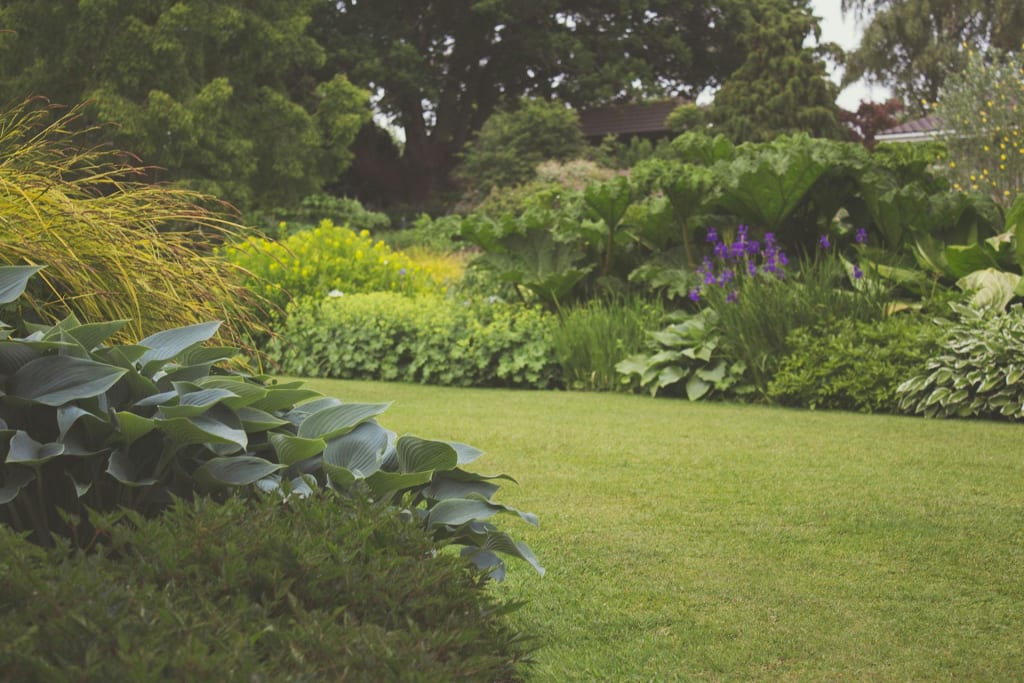
Creating a welcoming and attractive home is about more than just the interiors. A well-maintained garden with neatly pruned trees and a sturdy, beautiful fence can significantly boost your home's curb appeal. Not only does it make your property more appealing, but it also adds value. Whether you're preparing to sell your house or simply want to enjoy a more pleasant outdoor living space, these tree pruning and fence repair secrets will set you on the right path.
Why Tree Pruning Matters for Your Landscape
Pruning trees is not merely about cutting branches; it’s an essential practice for maintaining the health and aesthetics of your garden. Proper tree pruning enhances the natural beauty of your trees while ensuring they grow in a healthy manner. It allows more light and air to reach the tree's canopy, promoting robust growth and reducing the risk of disease.
Routine pruning involves removing dead or diseased branches, which can prevent the spread of decay-causing organisms. This process helps trees to focus their energy on producing new growth and healthy foliage. Additionally, well-pruned trees can withstand storms better and are less likely to fall, thereby protecting your home and providing a safer environment.
Pruning is not just about health; it also contributes to the visual appeal of your garden. By shaping trees artistically, you can create a picturesque scene that complements your home's style. Whether you prefer a formal, manicured look or a more natural appearance, pruning allows trees to become stunning focal points in your landscape.
Essential Tools for Effective Tree Pruning
To start pruning, equip yourself with the right tools. Having the proper equipment ensures that you can prune efficiently and safely. The basic tools include hand pruners, loppers, and a pruning saw. Hand pruners are ideal for cutting small twigs and branches, while loppers can handle slightly thicker limbs. For branches that are out of reach or too thick, a pruning saw is essential.
It is important to keep your tools sharp and clean. Sharp tools make clean cuts, which heal faster and reduce the risk of disease. Regularly disinfecting your tools after each use helps prevent the spread of pathogens. Investing in high-quality tools will save you time and effort in the long run, as they are more durable and effective.
Safety must always be a top priority when it comes to tree pruning. Wearing protective gear such as gloves, goggles, and a helmet is crucial to prevent injuries during the process. If you're dealing with particularly high or large branches, it's wise to consider hiring professional tree pruning services. These experts not only have the right tools and experience to handle the job safely but can also provide valuable advice on tree health and maintenance. Trusting tree pruning services ensures that your trees remain healthy and your property safe.
Timing is Everything in Tree Pruning
Knowing when to prune is just as crucial as knowing how to prune. Different trees require pruning at different times of the year. Generally, late winter to early spring is the best time for most trees, as they are still dormant and less susceptible to stress from pruning.
Pruning during dormancy minimizes sap loss and ensures that cuts heal quickly, reducing the risk of disease. However, some flowering trees may require pruning immediately after blooming to preserve their floral display for the following year. Understanding the specific needs of your trees will help you schedule pruning sessions effectively.
Keep an eye out for dead or damaged branches throughout the year. These should be removed as soon as they are noticed, regardless of the season. Prompt action prevents further damage and keeps your trees healthy and strong.
Mastering the Art of Shaping Trees
Shaping trees is where art meets science. The goal is to enhance the tree’s natural form while keeping it healthy. Start by removing any dead, diseased, or crossing branches. This creates a clean canvas for shaping the rest of the tree.
Focus on creating an open structure that allows sunlight to penetrate the entire canopy. This involves thinning out dense areas to ensure even distribution of light and air. Proper thinning encourages balanced growth and prevents overbearing limbs from breaking.
Pay attention to the overall symmetry of the tree. A well-shaped tree will have balanced branches, with no side significantly heavier than the other. This balance not only looks beautiful but also promotes structural integrity. Regular shaping sessions will help maintain the desired form and keep your garden looking pristine.
Fence Repair Fundamentals for a Lasting Impression
A well-maintained fence is vital for both privacy and curb appeal. Over time, fences can suffer from wear and tear due to weather, pests, or general aging. Regular inspections allow you to identify issues early on, preventing minor problems from becoming major repairs.
Begin by walking along your fence to check for any signs of damage. Look for loose or missing boards, rusted nails, and leaning posts. Addressing these issues promptly will prevent further deterioration and extend the life of your fence.
Materials play a crucial role in your fence's longevity. Whether you have a wooden, vinyl, or metal fence, using high-quality materials for repairs will ensure a lasting solution. Treating wooden fences with sealant and using rust-resistant hardware for metal fences can protect against environmental damage.
Restoring Wooden Fences to Their Former Glory
Wooden fences offer a classic charm, but they require regular maintenance to stay in top condition. Start by cleaning the surface with a power washer to remove dirt, mildew, and old paint. This process reveals any hidden damage and prepares the wood for painting or staining.
Once clean, inspect the fence for any rotting or damaged sections. Replace these with new wood and secure loose boards with galvanized screws or nails. Applying a fresh coat of paint or stain not only improves appearance but also protects the wood from weathering.
To prevent future damage, consider adding a sealant after painting. This creates a barrier against moisture and UV rays, ensuring your fence remains beautiful and sturdy for years to come.
Reinforcing Metal Fences for Durability
Metal fences, such as iron or aluminum, are known for their durability, but they can still suffer from rust and corrosion. Regular maintenance is key to preserving their strength and appearance. Begin by removing any rust spots with sandpaper or a wire brush.
After cleaning, apply a rust-inhibiting primer to prevent future corrosion. Once dry, finish with a layer of metal paint to restore the fence's original luster. Choose a paint that is specifically designed for outdoor metal surfaces for the best results.
Inspect hinges, latches, and other moving parts regularly. Apply lubricant to keep them functioning smoothly and replace any worn-out components. Keeping your metal fence in good condition enhances its lifespan and maintains a polished look.
Maintaining Vinyl Fences for a Sleek Finish
Vinyl fences are popular due to their low maintenance and modern appearance. However, they can still accumulate dirt and grime over time. Cleaning your vinyl fence is straightforward. Use a mixture of soap and water, and gently scrub with a soft brush or cloth.
Avoid using harsh chemicals or abrasive materials, as these can damage the surface. If you notice any mold or mildew, a solution of water and white vinegar can be effective in removing stains without harming the vinyl.
Regularly inspect the fence for cracks or breaks. Although vinyl is durable, it can become brittle over time. Address any damage promptly by replacing affected sections to maintain the fence's integrity and aesthetic appeal.
Choosing the Right Fence for Your Landscape
Selecting the perfect fence involves considering both functionality and style. The material, design, and height all play a role in how well the fence complements your landscape and meets your needs.
Privacy is a key factor for many homeowners. Solid wood or vinyl fences provide excellent coverage, while wrought iron or chain-link fences offer a more open feel. Consider your privacy preferences and local regulations when choosing the height and style.
Consider the overall aesthetic of your home and garden when selecting a fence. It should integrate harmoniously with the surroundings, enhancing the beauty of your outdoor space without overpowering it. A well-chosen fence can provide both functionality and style, adding value to your property. If you're uncertain about the best option for your needs, consulting with a professional can be incredibly beneficial. For example, PREMIER FENCE offers a variety of designs and materials that can complement any landscape while ensuring durability and security.
Enhancing Fence Appeal with Creative Design Elements
A fence doesn't have to be just functional; it can also be a design feature that adds character to your garden. Adding creative elements can transform a plain fence into an eye-catching focal point.
Consider incorporating decorative caps or finials on fence posts for a touch of elegance. Paint or stain your fence in a color that complements your home's exterior, creating a cohesive look. You can also use climbing plants to soften the appearance of a fence and add natural beauty.
Lighting is another excellent way to enhance your fence's appeal. Solar lights or string lights can create a warm, inviting atmosphere and highlight the fence's unique features. Experiment with different design elements to find the perfect balance between style and functionality.
Integrating Trees and Fences for a Harmonious Landscape
Trees and fences can work together to create a harmonious and inviting outdoor environment. Proper integration enhances both elements, ensuring they complement each other rather than compete for attention.
Consider the placement of trees in relation to your fence. Strategically placed trees can provide shade and privacy, while a well-positioned fence can act as a backdrop for showcasing beautiful trees. Ensure that the roots of trees have enough space to grow without disturbing the fence's foundation.
Using trees and fences in combination can also create natural boundaries within your garden. For example, a row of trees can act as a living fence, providing privacy and defining spaces without the need for a solid barrier. Evaluate your garden's layout to maximize the benefits of trees and fences working in tandem.
Enhancing your home's curb appeal and outdoor living space is a rewarding endeavor that involves thoughtful tree pruning and fence maintenance. By integrating these practices into your routine, you can create a stunning landscape that reflects your style and offers a welcoming environment. Remember, a well-maintained exterior not only boosts property value but also provides a peaceful retreat for you and your family. For further guidance, consider consulting with landscaping professionals to realize your vision.
About the Creator
Harriet Clark
Just casually freelancing over here! I write for all sorts of websites and blogs on just about anything that catches my eye. I'm always down to dive into new ideas and I'm super enthusiastic about digging into topics that get me curious.
Keep reading
More stories from Harriet Clark and writers in Families and other communities.
Finding Your Way Through Legal Support
Selecting the right personal injury attorney could be the defining factor between a successful claim and a stressful legal battle. When involved in an accident, the aftermath can be overwhelming, and having the right legal support is crucial. This guide will help you understand the essential factors to consider when choosing a personal injury attorney to ensure you make an informed decision.
By Harriet Clarkabout a year ago in Families
A Transparent Look at Vocal Challenges and Top Stories
Almost three years ago, we shared a resource article that served as a place for people to suggest new challenge prompts. We thought it would be a good idea to refresh that thread, and take the opportunity to answer a few common questions about top stories, how challenges are judged and how submissions are reviewed.
By Vocal Curation Team3 days ago in Resources




Comments
There are no comments for this story
Be the first to respond and start the conversation.