
Tips to Keep Your Kids Safe in the Snow
So they can have a good time outside

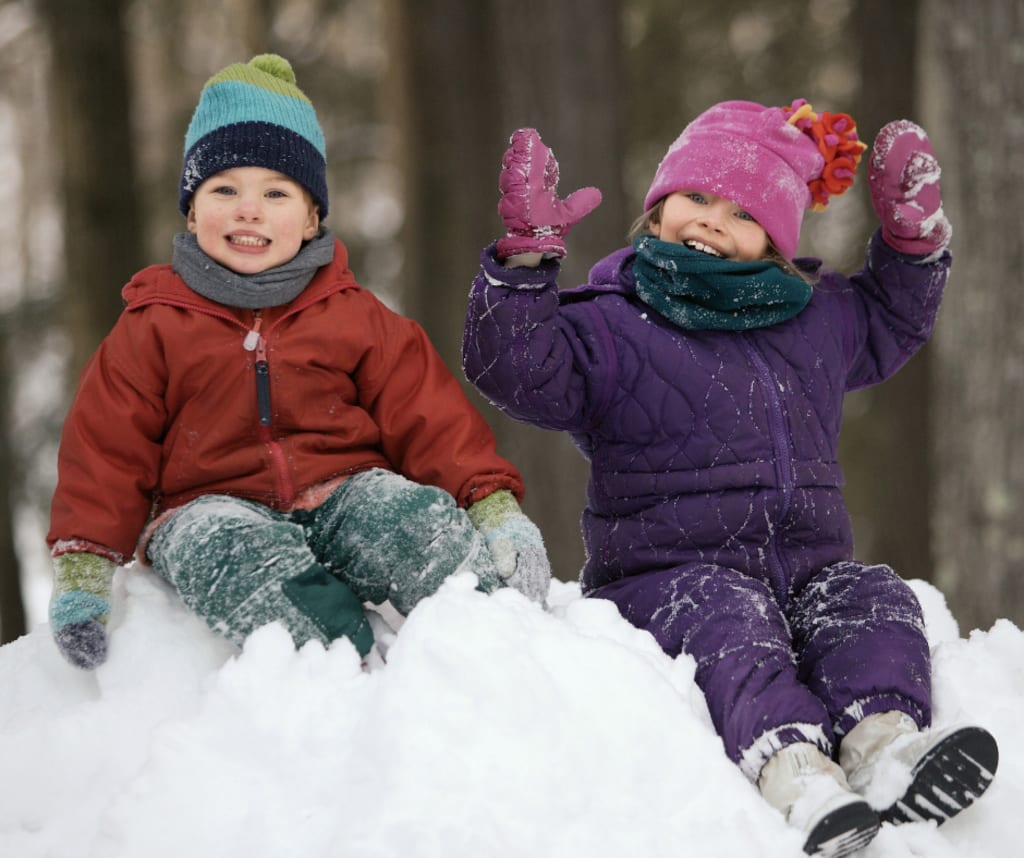
Yesterday, we woke up to our first snowfall. The boys were so excited they decided to head out and play in it before going to school. They got their bikes out and had a snowball fight. I am sure if they had had more time, they would have gotten their sleds out and tried to find a hill with enough snow to slide down.
Snow can be quite magical for children, though it can also be dangerous. It is important to keep your children safe as they head out to play in the white stuff.
Make sure that they layer up. With snow comes cold and bitter weather. Only a few minutes can cause frostbite, so it is important to make sure that your children have enough layers on. Layers are recommended, so that, if they get warm, they can lose a little at a time. Your children too little to complain about the cold, make sure that they have at least one more layer on than you.
Keep your children away from the streets. Even if it seems like the streets are closed off, you shouldn't allow your children to play in them. If someone is trying to drive through, they may not see your children. Even if they do see them, they may hit some ice and lose control of their vehicle.
Use caution when throwing snowballs. Though snowball battles are fun, they can be dangerous, especially when the snow is packed really tightly or the snowballs are a bit icy. It is much better to throw snowballs at trees and other inanimate objects.
Keep an eye on how warm they are. Children can struggle with worrying about warmth when they are too busy outside playing, so it is your job to check on them regularly to make sure that they are warm enough. If they are wet or cold, it is time to come inside.
Don't forget to use sunscreen. Even though it is not summertime, children can still get sunburned in the winter. In fact, the sun can reflect off the snow, making it even more possible.
You also need to keep them hydrated. In winter, children lose water through their breath. Because of this, they need to drink plenty of water when they are out and about playing.
Know the signs of frostbite. If you are worried about frostbite, you need to know what to look for. If you see any pale, grey, or blistered skin, your child may be getting frostbite.
And hypothermia. If you notice that your child is shivering and has slurred speech, he or she may need to be checked for hypothermia. You may also notice unusual clumsiness. You need to call for help immediately.
The first thing that you need to do before you send your children out to play is to make sure that they have plenty of layers. You want them to be warm, and not cold. Also, with layers, they can take a layer or two off as they warm up. You should also watch them and make sure that they are warm. If they look cold, or they get wet, you need to bring them in right away.
That being said, you need to know the signs of frostbite and hypothermia. If you notice that your child has pale, gray, or blistered skin, you need to get it checked out. Also, hypothermia is a serious medical condition so if you notice that your child is shivering and struggling to get around, you need to call for help right away!
***
Previously published on Medium and/or Newsbreak.
About the Creator
Shelley Wenger
Small town country girl in southern Pennsylvania. Raising two boys on a small farm filled with horses, goats, chickens, rabbits, ducks, dogs, and a cat. Certified veterinary technician and writer at Virtually Shelley.
Keep reading
More stories from Shelley Wenger and writers in Families and other communities.
Understanding Wife Psychology
Marriage is not just a legal bond; it is a psychological, emotional, and spiritual connection between two individuals. Understanding the psychology of your wife can greatly improve communication, intimacy, and harmony in your relationship. While every woman is unique, there are certain universal patterns in wife psychology that can help a husband navigate the complexities of married life.
By Jahid Hasan5 days ago in Families




Comments
There are no comments for this story
Be the first to respond and start the conversation.