
Tips for Parents to Help in Early Child Development
The early years of a child’s life are incredibly important, as they lay the foundation for all future learning and development. During this time, children’s brains are developing rapidly, and the experiences they have will significantly shape their physical, cognitive, emotional, and social development.
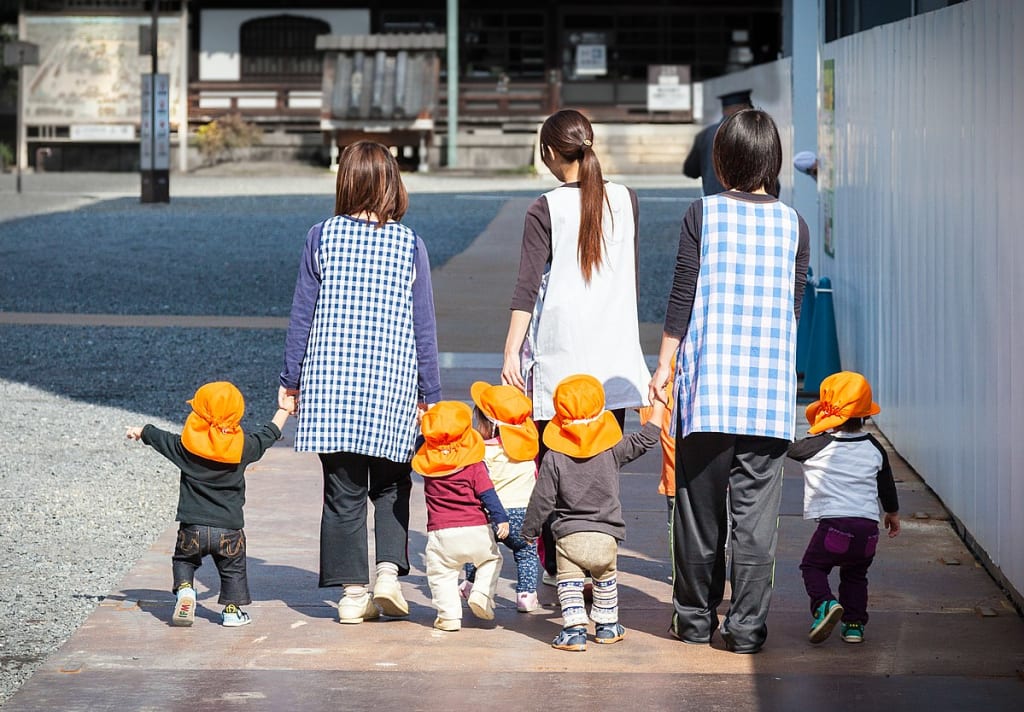
As a parent, you play a crucial role in fostering a positive environment that supports your child’s growth. Here are some essential tips for parents to help in early child development, ensuring that your child thrives during these formative years.
1. Provide a Safe and Stimulating Environment
A safe, secure, and stimulating environment is essential for a child's development. Children are naturally curious and eager to explore their surroundings, and it’s important to provide them with age-appropriate toys, activities, and experiences that encourage learning. This environment doesn’t have to be complicated or expensive; simple activities like stacking blocks, playing with textures, or even listening to music can all stimulate a child's development.
Ensure that the home is childproofed, with hazards removed, and that children have access to space where they can explore safely. Creating a well-rounded environment also means providing quiet spaces for rest and areas for free play, which are both crucial for cognitive development.
2. Encourage Communication and Language Development
From birth, babies begin to absorb language. The way you speak to your child plays a pivotal role in their language development. Start talking to your baby from day one. Explain what you are doing as you go about your day, even if they can't yet understand all of your words. Narrating simple activities such as changing a diaper, preparing a meal, or reading a book helps develop their understanding of language.
As they grow, encourage communication by listening carefully to your child. Respond to their babbling or attempts to speak, even if it’s not clear. This back-and-forth interaction promotes social and language skills. Read to your child daily from an early age, as this not only helps develop language skills but also strengthens the bond between you and your child. Singing songs and nursery rhymes also aid in building language skills and memory.
3. Promote Physical Activity and Motor Skills Development
Physical development is just as important as cognitive development. Encourage physical activity in a way that is fun and appropriate for your child’s age. For infants, tummy time is critical for building strength in their neck, shoulders, and arms, all of which are essential for developing motor skills.
As your child grows, activities such as crawling, walking, jumping, and climbing help develop both gross motor skills (larger body movements) and fine motor skills (smaller movements like gripping and hand-eye coordination). Offer a variety of toys and activities that promote these skills, such as building blocks, puzzles, crayons, and age-appropriate sports.
Outdoor play is essential for physical development. Whether it’s a walk in the park or playing in the backyard, outdoor play allows your child to explore different textures, encounter new challenges, and practice movement skills. Physical activity also contributes to a child’s overall health and well-being.
4. Create Positive Social Interactions
Social development is a key part of early childhood development. Children need to learn how to interact with others, share, cooperate, and express their emotions. Encourage your child to interact with family members, friends, and other children. This helps them develop empathy, communication, and problem-solving skills.
Playdates, group activities, and attending daycare or preschool can help your child build friendships and learn important social skills like taking turns, expressing feelings, and understanding the perspectives of others. As a parent, you can also model positive social behaviors such as respectful communication, problem-solving, and conflict resolution, which your child will often imitate.
5. Establish Routines and Consistent Discipline
Children thrive on consistency. Establishing daily routines helps provide structure and predictability, which makes children feel safe and secure. Consistent routines for eating, sleeping, playtime, and learning help children develop good habits and a sense of time. For example, a regular bedtime routine not only helps children get the sleep they need for healthy growth but also promotes emotional security.
Discipline is also an important part of early development, and it should be consistent, fair, and appropriate to the child’s age. Setting clear and simple boundaries teaches children what is expected of them and helps them learn how to make good choices. It’s important to use positive reinforcement, like praise for good behavior, and to avoid negative reinforcement or harsh punishment, which can be detrimental to a child's self-esteem.
6. Foster Emotional Development and Security
Emotional development begins early, and children need to feel loved and secure to develop healthy emotional responses. Be responsive to your child’s needs, whether they are physical (hungry, tired, or in need of comfort) or emotional (feeling sad, frustrated, or happy). This responsiveness helps to build a secure attachment, which is essential for emotional well-being.
Encourage emotional expression and validation by helping your child label their emotions. For example, if your child is upset, you can say, “I can see that you are feeling sad. It’s okay to feel that way.” This helps your child learn to recognize their feelings and develop emotional intelligence. Teaching your child to handle frustration and disappointment, as well as how to cope with different emotions, helps build emotional resilience.
7. Support Cognitive Development through Play
Play is often referred to as the “work” of childhood, and it is through play that children learn many of their most important skills. Cognitive development is enhanced when children are given the opportunity to engage in creative, hands-on play that challenges their thinking and problem-solving abilities.
Introduce activities that stimulate your child’s cognitive growth. Simple games like building towers with blocks, sorting objects by color or shape, or playing memory games can help with their logical thinking and memory skills. As they get older, puzzles, board games, and role-playing activities promote higher-order thinking and creativity.
Allow your child the freedom to explore and problem-solve on their own, as these experiences teach them perseverance, creativity, and independence. Avoid over-scheduling your child with structured activities, as unstructured playtime is essential for fostering imagination and critical thinking.
8. Model Positive Behavior and Encourage Independence
Children learn by observing their parents, so it’s important to model the behaviors you want to see in your child. If you show kindness, respect, and patience, your child is likely to mirror those actions. Your interactions with others will serve as a blueprint for how they behave in social situations.
At the same time, it’s important to encourage your child’s independence. Allow them to take on small tasks that promote self-confidence and responsibility, such as picking up toys, choosing their clothes, or feeding themselves. Providing age-appropriate challenges helps your child feel accomplished and proud of their abilities.
9. Encourage Healthy Eating and Sleeping Habits
Proper nutrition and sleep are essential for early childhood development. A well-balanced diet, rich in fruits, vegetables, proteins, and whole grains, provides the necessary nutrients for your child’s physical and cognitive growth. Encourage your child to develop healthy eating habits by offering a variety of foods and allowing them to make choices about what they eat.
Equally important is sleep. Young children need a sufficient amount of sleep to help their bodies and brains grow. A regular sleep routine helps your child understand the importance of rest, and a consistent bedtime is key to ensuring they get the sleep they need to function well during the day.
10. Celebrate Milestones and Offer Praise
Every child develops at their own pace, but it’s important to celebrate each milestone they reach, no matter how small. Whether it’s their first word, their first steps, or the completion of a puzzle, these accomplishments are meaningful. Offering praise and positive reinforcement encourages your child to keep trying and developing new skills.
At the same time, avoid putting pressure on your child to meet developmental milestones too quickly. Be patient, and remember that each child is unique in their growth and progress.
Conclusion
Supporting early childhood development is a rewarding journey that requires patience, care, and attention to your child’s individual needs. By providing a safe and stimulating environment, encouraging communication, fostering physical and emotional development, and offering opportunities for learning through play, parents can help their children reach their full potential. Remember that every child is different, and it’s important to celebrate their progress at every stage. The early years are a critical time, and with the right support, your child will have the foundation they need for a lifetime of learning and growth.
About the Creator
Keep reading
More stories from Avneet Singh and writers in Families and other communities.
Best Attractions in UAE: A Guide to Must-See Destinations
Whether you're looking for adventure, relaxation, or cultural exploration, the UAE offers a wide range of attractions that cater to every type of traveler. With its incredible blend of modernity and tradition, this dynamic country promises unforgettable experiences. If you're planning to visit, make sure you have your UAE visa ready to enjoy the best attractions in UAE.
By Avneet Singhabout a year ago in Wander
Dan
Dan was six years old and had three sisters (one older) when Mum became pregnant with her fifth child. She and Dad didn't know if they were having a boy or a girl each time, so they gave each baby a nickname, such as Bartholomew or another unlikely name. When they got to number five, they decided they were done, so they went with "Quits."
By Mack D. Ames2 days ago in Families


Comments
There are no comments for this story
Be the first to respond and start the conversation.