
Tiny Houses: Reimagining the Future of Living
In a world that continually moves faster, bigger, and more complex, a quiet revolution is happening—one that challenges our very perception of space, sustainability, and the way we choose to live. Welcome to the world of tiny houses, where less is not just more but, in many ways, better. This is more than a trend; it's a profound shift in how we understand what it means to have a home.
The Allure of Simplicity
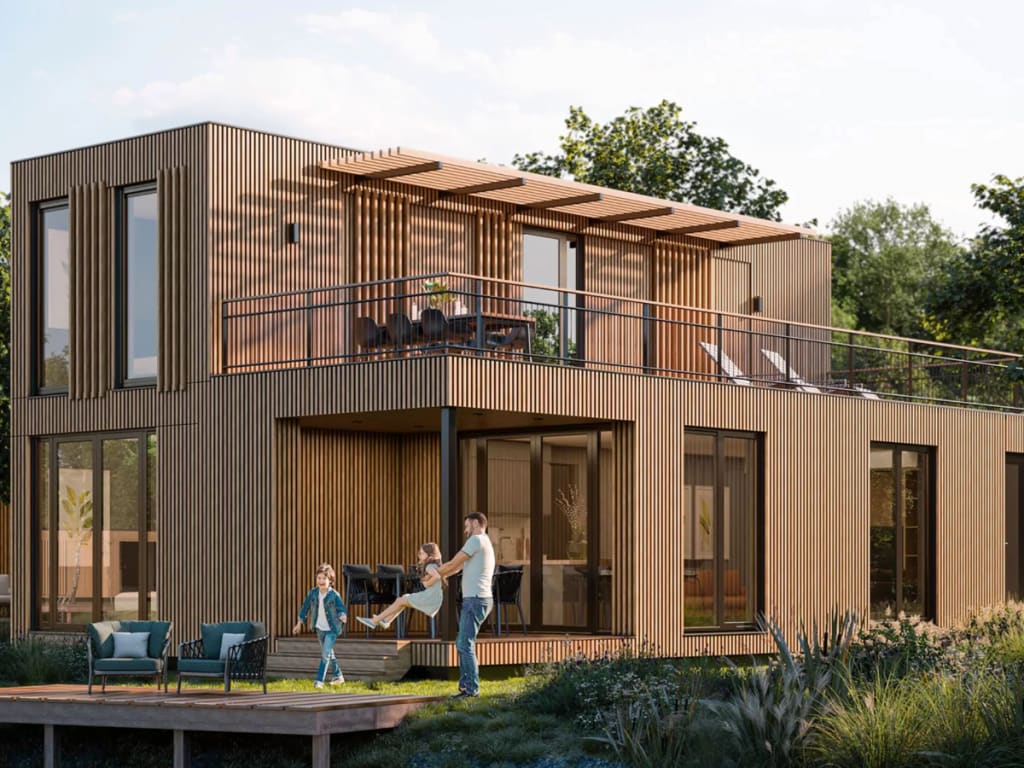
We’ve been conditioned to believe that success is linked to size. A larger home equates to greater achievement. But what if this notion has led us astray? Tiny houses disrupt this deeply ingrained belief. These compact dwellings, often no larger than 400 square feet, redefine the very idea of personal space. They strip life down to its essentials, offering a minimalist haven where every inch counts, and there’s no room for excess—literally or metaphorically.
This is a radical departure from the consumer-driven culture we've been immersed in. Tiny houses compel us to reflect on what truly matters: relationships, experiences, and freedom—things that cannot be bought or stored in a sprawling living room. By living smaller, we gain more mental and physical space to focus on the essential.
Sustainability: More Than a Buzzword
One of the most compelling aspects of tiny houses is their inherent sustainability. In an era where climate change is not just a looming threat but an ever-present reality, how we live matters more than ever. Traditional homes are often energy-guzzling, resource-intensive monuments to inefficiency. Tiny homes, by contrast, use fewer materials, require less energy, and can be designed with sustainability at their core—from solar panels to rainwater collection systems. It’s not just a smaller footprint; it’s a conscious step toward minimizing our impact on the planet.
Imagine a home that encourages you to consume less, waste less, and live more in harmony with nature. Tiny houses offer exactly that. By choosing this lifestyle, we make a powerful statement: that it's possible to live well without compromising the well-being of our environment.
Freedom Through Minimalism
Living in a tiny house is also about reclaiming freedom. Freedom from debt, from clutter, and from societal expectations that dictate what a “successful” life should look like. When you own a tiny house, your mortgage—or rent—shrinks to a fraction of the typical cost of living. You’re no longer tied to an oversized property that demands constant upkeep and repairs. You’re free to invest your time, money, and energy in what truly makes you happy.
Minimalism is not about deprivation; it's about intention. By living with less, we can focus more on experiences that enrich our lives—whether that’s travel, hobbies, or spending quality time with loved ones.
Tiny homes inspire us to design lives filled with meaning rather than material possessions.
The New Community
Another unexpected benefit of tiny houses is the way they cultivate a sense of community. While traditional suburban life can sometimes feel isolating, tiny house communities foster connection. Whether through co-housing developments or simple clusters of tiny homes, these living arrangements encourage interaction, shared resources, and a spirit of collaboration.
There’s something profound about returning to a simpler way of life, where neighbors know each other and communities are built not around material wealth but shared values. These communities often emphasize sustainability, mutual support, and intentional living—principles that are often missing in modern society.
The Future of Housing?
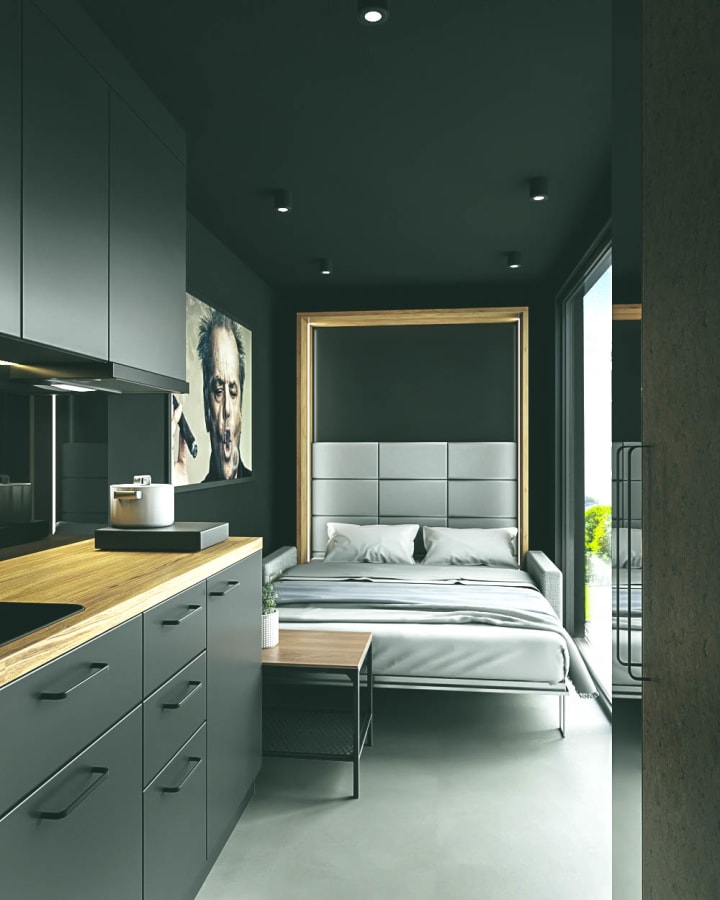
As housing prices continue to soar and cities become increasingly congested, tiny houses offer a thought-provoking alternative. Could smaller, smarter living spaces be the key to addressing housing shortages and environmental degradation? Some urban planners believe so. Micro-homes are being integrated into cityscapes as a way to provide affordable, sustainable housing that meets the needs of modern, mobile, and environmentally conscious individuals.
But tiny houses also invite us to rethink the entire concept of home ownership. What if home ownership wasn’t synonymous with financial burden? What if we designed our homes around our lives, rather than the other way around?
Conclusion: Tiny, Yet Powerful
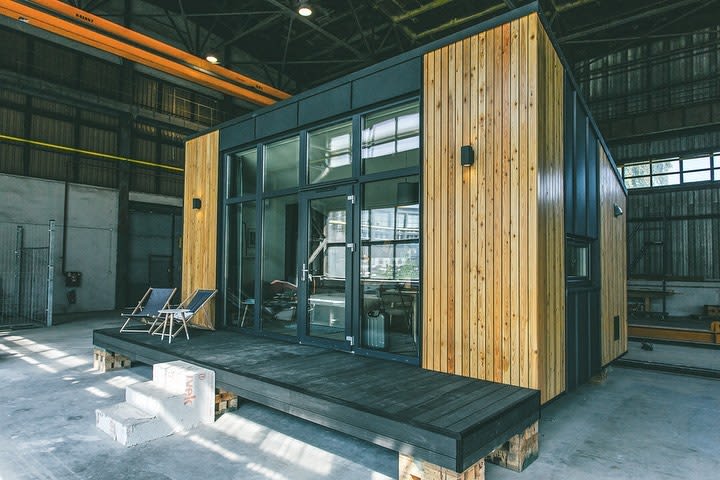
Tiny houses challenge the status quo. They ask us to reconsider the relationship between our living spaces and our well-being, to prioritize sustainability over excess, and to embrace a lifestyle that values freedom, intention, and community.
In the end, tiny homes are more than just dwellings. They are a philosophy—a statement that the size of our living space doesn’t define the size of our lives. Living small, in many ways, allows us to live larger, more meaningful lives. It’s a provocative idea, one that invites us all to rethink what it means to live well in an increasingly complex world.
About the Creator
Keep reading
More stories from writers in Families and other communities.
Wise~Guys
— Look Behind what's in Front of You ~ Make Good Choices — Hey, So how you Doin'..! Made~Men — Mobster Movies romanticise a distinctive, elegant appearance, impeccable attire style, along with the 'Families' expressive lingo. Making their 'Bones' gave them Panache — with vintage fedoras, tailored pin-striped suits, mirror-polished wing-tip shoes adorned with tassels; with their 'Gun Moll' gorgeous dates on their arms.
By Jay Kantor27 days ago in Families
🅼🅸🅳🅽🅸🅶🅷🆃 🆂🅽🅰🅲🅺🆂
"It's 10 in Tuscon! We all know what that means... It's Time for Midnight Snacks with your man, Gerald Gee! Ready to spend the night together? Me too! I'm full of snacks and can't wait to regurgitate them all back into your hungry ears. Crack a brew! Pop some corn! Anything to get ready for one hell of a show where the talk maybe cheap but the words cut deep...
By Lamar Wiggins5 days ago in Fiction



Comments
There are no comments for this story
Be the first to respond and start the conversation.