
These 9 kinds of behavior of children belong to the psychological problems
Parents must not violently stop


Parents often report that their children are difficult to discipline, such as some children are impulsive and irritable and love to hit, some children are timid and cowardly and do not like to go to school, some children are very big and still love to suck their fingers ...... children appear these situations, in the end, is the innate character or improper education caused by later in life? How should parents intervene to correct the bad behavior?
Some of the child's bad behavior usually belongs to psychological problems, parents should face the child's psychological problems, not through behavior or verbal violence to try to stop the child, violence to stop the child will only make the child's performance worse and worse. Parents should learn to use scientific methods to help their children correct bad behavior.
Babies still love to suck their fingers when they are older
Performance.
Some older babies often suck their fingers or toes, with sucking on the thumb being the most common, and in serious cases, this can lead to deformation of the thumb, and some children cannot sleep without sucking on their fingers.
Main causes.
Babies within 1 year of age love to suck their fingers is a normal phenomenon, this is because babies know the world through their mouths, and hands are only an external thing for babies whose brains are not fully developed, not an organ of their own body, that is, the so-called poor self-differentiation.
As the brain develops, most babies will gradually change their finger-sucking behavior, but older babies who still have sucking behavior are psychological problems, such as having suffered a large psychological trauma, and finger-sucking can play a soothing role. Caihui Cha cites a case.
A mother ruthlessly sent her child to her old home to wean her 6-month-old baby, who cried for several days and who later had severe sucking behavior.
Intervention techniques.
Distract the baby
Parents should communicate more with their children to find out the child's psychological problems. In addition, they can take the method of distraction, play more with the child, amuse the child with interesting toys, or let the child help to do some small things to increase the hand activity and gradually correct the finger-eating habit.
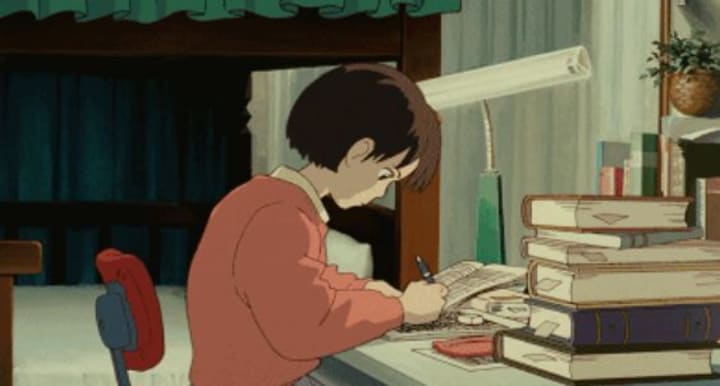
Like to bite nails, tear the skin of the hand
Performance.
Some children especially like to bite their nails, so much so that they tear the nail bed or bite blood from the fingertips, and know that biting nails is wrong but still can not control it. Some children also like to tear the skin of the hand, once you see a little hand skin tear.
Main reasons.
Children love to bite their nails, which may be a lack of trace elements and other physical reasons, but more psychological reasons, including parents, do not care enough, family relations disharmony caused by the child's depression, emotional tension, parental expectations being too high, or learning pressure, etc.
Intervention techniques.
Find the cause of psychological anxiety, divert attention to the child who loves to bite nails, parents should usually give more attention, you can play games or go out with the child, to reduce the child's anxiety, correct nail biting is beneficial. In addition, we should pay attention to positive guidance to correct the child nail biting behavior, for example, you can enter into a parent-child contract, and not reprimand the child's bad behavior, other, wise it may aggravate the psychological problem.
In addition to psychological treatment, for children who love to tear their skin, parents can let their children eat more vegetables and fruits to supplement vitamins and reduce the phenomenon of skin peeling, which will help reduce the chances of children tearing their skin.
Prone to impulsive tantrums or rage attacks
Performance.
Some children are very impulsive and irritable, the slightest displeasure will throw a tantrum, and are very aggressive, some parents think this is a natural character, or low emotional expression, in fact, many times it is a psychological problem.
Pictures
Main causes.
While it is true that some babies are impulsive and irritable due to their innate neurological response, most children with large temper tantrums are still related to their education and environment later in life.
A case was cited: a 7-year-old child had psychological counseling for a temper tantrum, and as a result, Dr. Cha found that the child's mother was very stubborn and arbitrary, always interrupting the father and even deliberately finding excuses to forbid the child from seeing his grandparents in the countryside.
Intervention techniques.
Temporary isolation + good parental role model
If the child throws a tantrum, isolate him in a more monotonous place for a few minutes to calm him down while avoiding anyone calming him down, this kind of cold treatment is more effective for a child in a rage. In addition, parents need to be self-reflective and try not to set a bad example in front of their children, especially not to argue in front of them, and to take care to control their temper.
Overdependence on parents or family members in children over three years old
Performance.
Children over 3 years old are still very dependent on their parents or family members. One of Dr. Cha's patients, a 3-year-old child, was like a wombat, always lying on his father's shoulder, and even when playing with the toys that interested him most, he must be accompanied by his father.
Main reasons.
In general, it is generally normal for babies under 2 years old to be attached to their families, and they will gradually adapt to being separated from adults as they get older.
Some older children have severe dependency disorders that may be related to the inseparability of adults in their daily lives since childhood, such as over-care and protection of the child, making the child feel that everything needs to be done by adults. In addition, children who lose their mother's care early (especially between the ages of 3 months and 1 year) may be more likely to develop attachment problems.
Intervention techniques.
Let your child do one thing independently
For dependent children, parents should gradually train their children to do things independently, especially to let them experience the sense of accomplishment of doing something independently, and gradually they will find that there are many fun things to do without their parents. Secondly, when parents leave their children, do not sneak away without a word, they must tell their children and say that they will come back.
Excessive fear
Performance.
It is normal for children to have fears, but fears that go beyond the normal range need to be noticed, such as fear of the dark, thinking they need an injection when they see a doctor or having a "school phobia".
Main reasons.
Fear is almost directly proportional to the development of physical skills and personal growth experiences. As the baby is exposed to more things and experiences more activities, the fear he or she experiences will increase accordingly.
In general, fear of illness, death, being alone, darkness, and imaginary monsters peaks at age 4 and begins to decline after age 6. The ability to overcome fears in time is closely related to the sense of security the child receives from his or her parents.
Intervention techniques.
Empathize with the child's fears and reassure + explain the truth
Children are extremely imaginative and often confuse imagination with reality. Adults should put themselves in the child's shoes to understand him and reassure him, not ignore him, and not scare him.
For children who can't express themselves yet, you can hug, pat, and comfort them softly to reduce their fear; for children who can express themselves, parents should encourage them to speak up and explain the truth to them appropriately while comforting them, for example, why it is dark.
Withdrawal behavior
Performance.
Some children seem withdrawn and out of place, especially after kindergarten, often sitting alone in one place, not playing with other children, not even participating in group activities such as exercises, not talking to others, and not answering questions from teachers.
Main reasons.
Withdrawal behavior generally occurs when children face unfamiliar environments, and psychology suggests that this is a self-protective behavior in that they believe they cannot overcome the difficulties and obstacles they face and are worried about making a fool of themselves in front of their peers, teachers, or parents.
Withdrawal behavior may be the result of poor innate adaptive skills, but it is also related to improper parenting. Some parents do not allow their children to interact with other children from an early age, or they are overly caring and accommodating, which can cause poor adaptive skills in children.
Intervention techniques.
Take your child to more social activities
Parents should create conditions for their children to play with other children, play games together, and participate in more social activities with their children so that they can adapt to activities in public places. For children who have developed withdrawal behavior, parents and teachers should help them overcome their loneliness, adapt to the outside environment, and establish harmonious interpersonal relationships among small partners.
Anorexia and Partial Eating
Manifestations.
Some children have a chronic poor appetite or are severely picky and partial eaters. Such children are usually thin, prone to colds and diarrhea, and malnourished.
Main causes.
Many parents believe that their children's anorexia is mainly caused by illness and physical reasons, but in fact, psychology is also one of the three main factors leading to pediatric anorexia. Picky eating and partial eating are typical manifestations of pediatric psychological disorders, and if the mood before or during meals is tense, anxious, depressed, sleep deprivation or fatigue, the bad stimulation of food sensory properties, etc., can also make children anorexic.
Intervention techniques.
Create a pleasant eating atmosphere
In addition to taking your child for a comprehensive checkup and treating physical illnesses, you should also pay attention to intervening in your child's psychology. When a child does not want to eat, do not scold, force, punish or cajole, but carefully analyze the psychological factors that make a child anorexic, adopt methods of induction, suggestion, and encouragement, and make sure to create a pleasant eating environment.
Hair-pulling fetish
Performance.
Some children like to pluck their hair, such as eyebrows, eyelashes, hair, etc., and cannot improve after repeated persuasion by adults.
Main reasons.
Most children develop a hair-pulling fetish because of psychological conflicts with their families or psychological conflicts at school, such as poor parent-child relationships, poor educational methods, poor interpersonal communication, and academic stress, resulting in emotional anxiety and depression.
Intervention techniques.
Identify the cause of anxiety and improve it
First of all, we need to find out where the problem of anxiety and nervousness lies, parents should communicate with their children more, improve the parent-child relationship, change the educational methods that cause the child's problems, and talk to the child like a friend, encourage the child to talk to mommy and daddy, organize more parent-child activities to promote parent-child relationship and distract the child at the same time.
Head banging, rolling, and other behaviors
Performance.
Some younger children will show the self-mutilation behavior of head-banging when their demands are not met, such as kowtowing on their knees or hitting the wall. In addition, common self-mutilation actions include shaking the head, hitting the head, rolling around, pinching themselves, scratching their hair, pulling their ears, etc.
Main reasons.
Self-abusive behavior quirks occur when a child is emotionally stimulated, has unmet demands, or is stimulated by pain factors. Self-abuse is an expression of the child having a claim, which may be a manifestation of insecurity or certain demands not being met.
Intervention skills.
Figure out the cause of self-abuse Most children only adopt self-abusive behavior when they are not satisfied, so it is more likely to be psychogenic. Parents need to find out the cause of the child's self-abuse and correct it, such as by examining the parents' marital relationship. If necessary, a psychologist should be consulted.
About the Creator
Na Qi He
Weakness in attitude is a weak point in character point
Wise~Guys
— Look Behind what's in Front of You ~ Make Good Choices — Hey, So how you Doin'..! Made~Men — Mobster Movies romanticise a distinctive, elegant appearance, impeccable attire style, along with the 'Families' expressive lingo. Making their 'Bones' gave them Panache — with vintage fedoras, tailored pin-striped suits, mirror-polished wing-tip shoes adorned with tassels; with their 'Gun Moll' gorgeous dates on their arms.
By Jay Kantor19 days ago in Families




Comments
There are no comments for this story
Be the first to respond and start the conversation.