
The Ultimate Guide to Storing Pumpkin Seeds and Hemp Seeds for Maximum Freshness
best strategies to ensure your seeds remain fresh

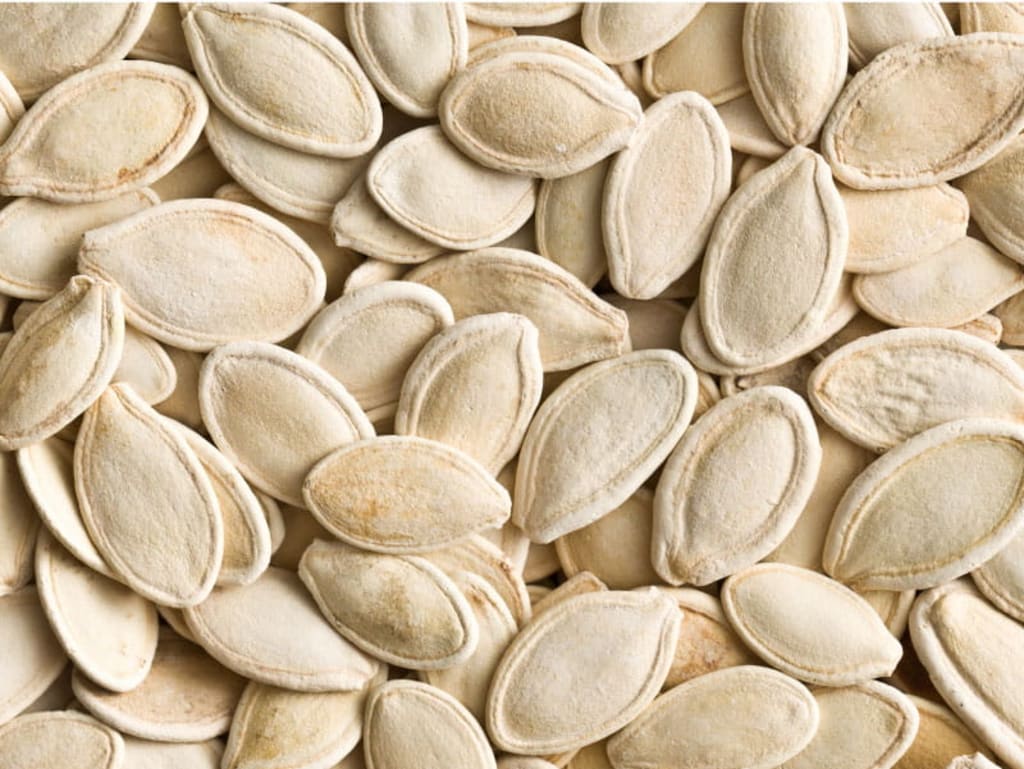
Preserving the freshness, nutritional value, and viability of pumpkin and hemp seeds requires proper storage techniques. Without the right conditions, seeds can lose their potency, develop mold, or become rancid. In this comprehensive guide, we will outline the best strategies to ensure your seeds remain fresh and nutrient-dense for as long as possible.
Why Proper Storage Matters
Both pumpkin seeds and hemp seeds contain essential oils, proteins, and antioxidants, making them highly nutritious. However, their high-fat content makes them susceptible to oxidation and rancidity. Poor storage can lead to loss of flavor, texture changes, and nutrient degradation. Implementing proper storage methods will help preserve their taste, shelf life, and overall quality.
Optimal Conditions for Storing Pumpkin and Hemp Seeds
- To keep seeds fresh and viable, it is crucial to control three main factors:
- Temperature: Store seeds in a cool environment (ideally between 32°F and 50°F or 0°C and 10°C).
- Humidity: Maintain a low-humidity setting (preferably below 50%).
- Light Exposure: Minimize exposure to direct sunlight, as UV rays accelerate degradation.
Ideal Storage Locations
- Refrigerator: Ideal for long-term storage, especially for hemp seeds, as cold temperatures help retain their omega fatty acids.
- Freezer: Best for extending freshness beyond a year, especially if you buy in bulk.
- Pantry or Cabinet: Suitable for short-term storage (under three months) as long as the area is cool, dark, and dry.
Best Containers for Seed Storage
Choosing the right storage container is just as important as selecting the proper environment. Here are the best options:
1. Airtight Glass Jars
- Prevents oxidation and exposure to air.
- Ideal for long-term storage.
- Helps maintain freshness and crunchiness.
2. Vacuum-Sealed Bags
- Removes oxygen, preventing rancidity.
- Perfect for storing large seed quantities.
- Can be used in the freezer for extended shelf life.
3. Mylar Bags with Oxygen Absorbers
- Highly effective for bulk storage.
- Blocks moisture, air, and light.
- Preserves nutrients and freshness for years.
4. BPA-Free Plastic or Silicone Containers
- Suitable for short-term storage.
- Convenient and lightweight.
- Ensure the lid is tightly sealed.
How to Store Pumpkin Seeds for Maximum Freshness
Short-Term Storage (Up to 3 Months)
- Store in an airtight container in a cool, dark pantry.
- Keep humidity levels low to prevent spoilage.
- Avoid exposure to direct heat or sunlight.
Long-Term Storage (3 Months to 1 Year)
- Place seeds in a glass jar or vacuum-sealed bag.
- Store in the refrigerator or freezer.
- label containers with the storage date to track freshness.
Extended Storage (1 Year or More)
- Use Mylar bags with oxygen absorbers.
- Freeze at 0°F (-18°C) for extended shelf life.
- Ensure the storage area is free from humidity and light exposure.
How to Store Hemp Seeds for Maximum Freshness
Short-Term Storage (Up to 3 Months)
- Keep in a cool, dry pantry in a sealed container.
- Avoid storing near heat sources or direct sunlight.
- Check regularly for signs of rancidity or mold.
Long-Term Storage (3 Months to 1 Year)
- Store in the refrigerator in an airtight jar.
- Keep away from foods with strong odors.
- Always close the container immediately after use to prevent moisture exposure.
Extended Storage (1 Year or More)
- Use vacuum-sealed bags for freezing.
- Keep at constant low temperatures for best preservation.
- Consider portioning into small bags to reduce exposure when opening.
Common Mistakes to Avoid
1. Using Non-Airtight Containers
Exposure to air can cause oxidation, leading to stale and rancid seeds.
2. Storing in Warm or Humid Areas
Heat and moisture promote mold growth and nutrient loss.
3. Not Labeling Storage Dates
Always track the purchase and storage dates to ensure you use the oldest seeds first.
4. Storing Near Strong-Smelling Foods
Seeds, particularly hemp seeds, absorb odors easily. Keep them away from spices, onions, or garlic.
5. Freezing Without Proper Sealin
If storing in the freezer, always use vacuum-sealed bags or airtight containers to prevent moisture buildup.
How to Tell If Seeds Have Gone Bad
1. Rancid Smell
If the seeds emit a sour or stale odor, they have oxidized and should not be consumed.
2. Bitter or Off Taste
Fresh seeds should taste nutty and mild. A bitter taste indicates spoilage.
3. Mold or Discoloration
Any visible mold, dark spots, or unusual textures mean the seeds are no longer safe to eat.
4. Slimy or Clumped Texture
Moisture exposure can cause seeds to stick together or develop a slimy feel, which means they are no longer fresh.
Final Thoughts
Proper storage of pumpkin and hemp seeds ensures maximum freshness, extended shelf life, and retained nutritional value. By controlling temperature, humidity, and light exposure, and using airtight storage solutions, you can prevent spoilage and enjoy your seeds for months or even years. Implement these strategies today to preserve their taste, texture, and health benefits for the long term.
About the Creator
jackson
i"m a skilled writer passionate about storytelling. They craft engaging content across various genres, blending creativity with clarity to captivate readers. Always exploring, they bring fresh ideas to every project.




Comments
There are no comments for this story
Be the first to respond and start the conversation.