
The Surprising Parenting Tool That Helped Me Understand My Child Like Never Before
The Parenting Hack You’ve Never Heard Of
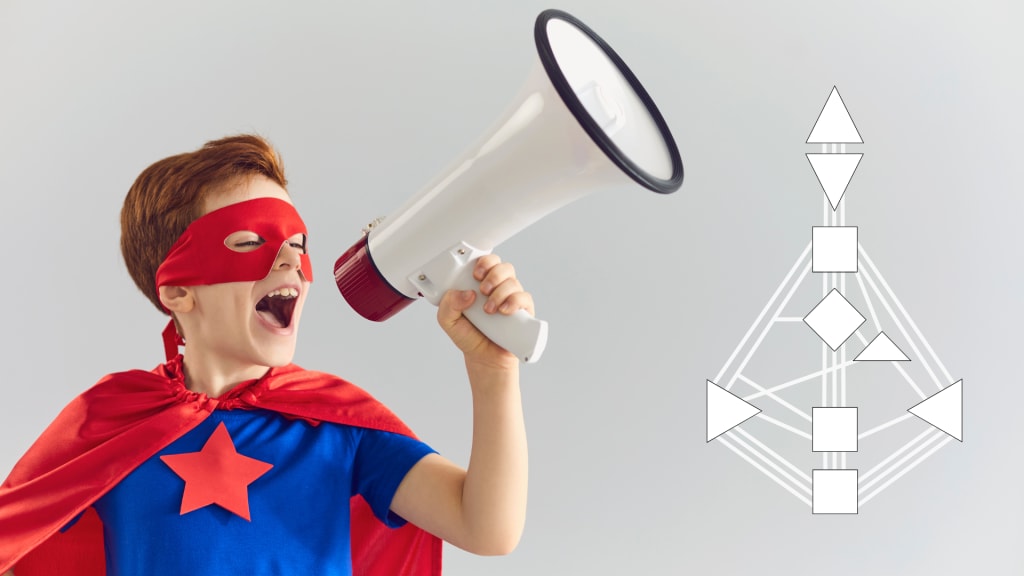
In the chaos of parenting, understanding a child's unique design can significantly enhance the parenting experience. By applying the principles of Human Design, parents can tailor their approaches to meet the innate needs and strengths of their children. This concept goes beyond traditional parenting methods, offering insights based on individual energy types and decision-making strategies.
Parents are often faced with the challenge of navigating diverse personalities and temperaments within their families. Human Design empowers them to decode these differences, leading to more harmonious relationships. By recognizing and respecting a child's unique wiring, parents can foster an environment where their children thrive.
Exploring Human Design opens a pathway to more conscious parenting, allowing for deeper connections and effective communication. Parents can gain practical tools to support their children's growth, making parenting a more rewarding journey for both parties.
Human Design blends various systems to create a framework for self-understanding. Key aspects include aura types, decision-making processes, and personality profiles, making it a comprehensive tool for personal growth.
The Concept of Aura Types
Aura types are foundational in Human Design, representing distinct energetic signatures. There are four primary types:
Manifestors: Leaders who initiate action.
Generators: Builders that thrive on response and satisfaction.
Manifesting Generator: combine strategies of both Generators and Manifestors.
Projectors: Guides who offer insight and direction.
Reflectors: Mirrors of their environment, providing unique perspectives.
Each type comes with specific traits that influence behavior and interactions. Understanding these types can enhance communication and promote healthier relationships within families.cognizing tendencies, strengths, and challenges. This knowledge supports nurturing environments, allowing individuals to thrive by honoring their unique designs.
Each Design Type has unique characteristics that influence effective parenting strategies. Understanding these differences can help nurture a child's development in a way that aligns with their inherent traits.
How to Discover Your Child’s Human Design Energy Type (Free & Easy)
Curious to know your child's Human Design energy type? Here's a quick way to find out:
Type “Free Human Design Chart” into a Search Engine.
You’ll find several websites that offer free chart generators—just pick one that feels user-friendly to you.
Enter Your Child’s Birth Details
You’ll need:
Birth date
Exact birth time (as accurate as possible)
Birthplace (city, country)
Generate the Chart
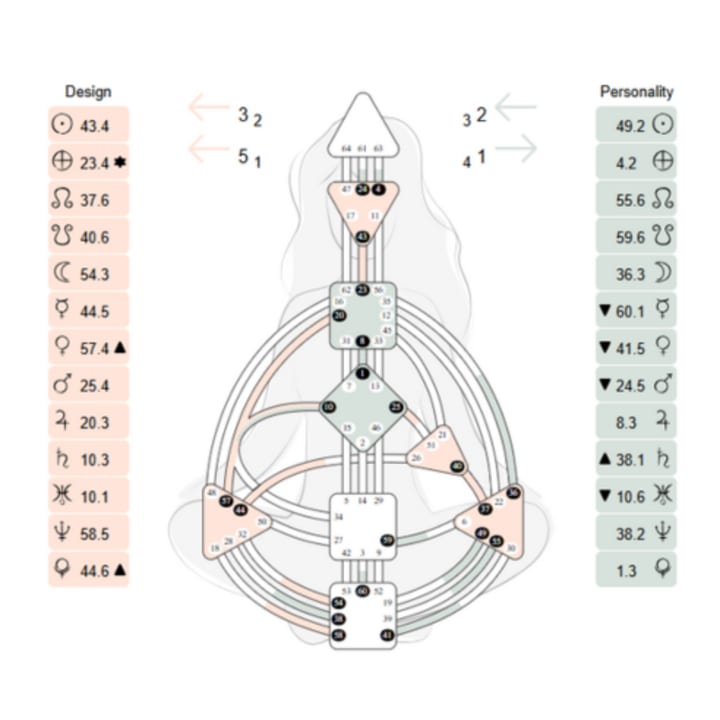
After submitting the details, you’ll see a Human Design chart. Don’t worry—it may look complex, but the key info you’re looking for right now is the "Type" (e.g., Generator, Manifestor, Projector, Reflector, or Manifesting Generator).
Guiding Manifestors
Manifestors are natural initiators. They have a strong drive to manifest their visions, often leading them to forge their own paths. Parenting a Manifestor involves providing them with the freedom to express themselves and explore their interests.
Key Strategies:
Encourage Independence: Allow them to make choices and express their feelings. This helps them feel empowered.
Set Clear Boundaries: While they thrive on independence, boundaries provide safety and security.
Support Their Visions: Listen to their ideas, and provide resources to help bring those ideas to life.
Creating an environment that honors their independence while offering guidance is essential for their growth.
Cultivating Generators and Manifesting Generators
Generators and Manifesting Generators are full of energy and vitality. They thrive when engaged in activities that excite them. Parenting these types involves fostering their passions and helping them understand their responses.
Key Strategies:
Follow Their Excitement: Help them identify what energizes them. This cultivates satisfaction and motivation.
Teach Patience: Encouraging them to wait for their responses supports their decision-making process.
Offer Choices: Providing options empowers them to choose what resonates, fostering a sense of agency.
Ensuring they have the space to explore their interests leads to fulfillment and creativity.
Understanding Projectors
Projectors are natural guides and observers. They thrive on recognition and appreciation for their insights. Parenting a Projector requires patience and understanding of their need for rest and reflection.
Key Strategies:
Provide Recognition: Acknowledge their contributions to help them feel valued.
Encourage Rest: Teach them the importance of taking breaks to avoid burnout.
Foster Their Wisdom: Engage them in discussions where their insights are welcomed, reinforcing their role as guides.
Creating a supportive environment helps them flourish while respecting their unique energy dynamics.
Supporting Reflectors
Reflectors are highly attuned to their environments and the energies of others. Their sensitivity makes them unique but also requires careful handling. Parenting Reflectors involves creating a stable, nurturing environment that allows them to process their experiences.
Key Strategies:
Establish Routine: Consistency helps them feel secure amidst emotional fluctuations.
Encourage Environment Awareness: Teach them to notice how their surroundings affect their mood.
Offer Gentle Guidance: Provide support without pressure, allowing them to explore their feelings at their own pace.
Supporting Reflectors through their sensitivity fosters resilience and emotional intelligence.
About the Creator
Vicky Coach
Parenting | Human Design | Mindfulness
Keep reading
More stories from Vicky Coach and writers in Families and other communities.
Healing Childhood Trauma Through Human Design
There is a wound we all carry — the wound of not being seen, heard, or held in the fullness of who we truly are. This wound is often born in childhood, when the most innocent parts of us were denied, ignored, or shaped to fit into a world that didn’t understand us. In trauma healing work, we call this the loss of authentic self. In Human Design, we might say it’s the distortion of our energetic blueprint.
By Vicky Coach8 months ago in Families




Comments
There are no comments for this story
Be the first to respond and start the conversation.