
The Role of Women in Shaping Modern Society
Empowering Change and Progress Across the Globe
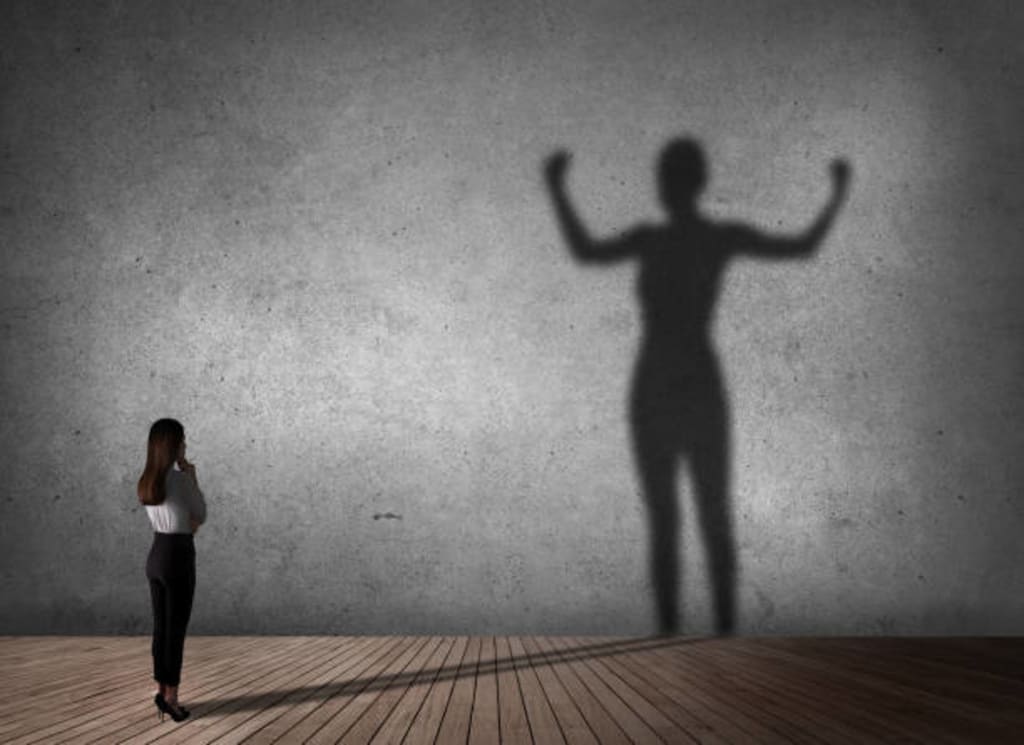
Women have always been at the heart of human progress, but it is only in recent decades that their contributions have been fully recognized and celebrated. For centuries, women were expected to remain in the background, confined to domestic spaces and denied access to education, leadership, and decision-making roles. Yet despite these limitations, women have been instrumental in shaping the world as we know it today. From breaking barriers in politics to revolutionizing industries, women continue to challenge and redefine societal norms in powerful and transformative ways. Today, as we look around at modern society, it’s clear that women are not just participants but leaders in the drive for change, equality, and progress.
Women in Politics and Leadership
It’s hard to ignore the remarkable rise of women in politics over the last few decades. While the world has seen some incredible milestones—like the election of female leaders such as Jacinda Ardern of New Zealand, Kamala Harris in the United States, and Ursula von der Leyen in the European Union—women’s representation in politics is still far from equal. The road to political equality has been long, with women around the world fighting not just for the right to vote but for a seat at the table where important decisions are made.
In the 21st century, we’re finally seeing an increasing number of women taking charge of both local and global political movements, pushing forward policies that focus on social welfare, healthcare, education, and environmental sustainability. Women are leading the charge in creating more inclusive policies—look at how Sweden’s government under the leadership of women has championed gender equality initiatives, or how the feminist foreign policies of countries like Canada have garnered international attention. But even today, women in politics continue to face hurdles, such as gender bias, unequal pay, and often, outright misogyny. However, despite these obstacles, women are relentlessly pushing boundaries and proving that their voices matter.
Women in Education and the Workforce
One of the most inspiring shifts in recent times is the way women have transformed the global workforce. It wasn’t that long ago that women were expected to stay at home or pursue ‘traditional’ roles, often seen as secondary earners or caregivers. But today, women are everywhere—owning businesses, excelling in STEM fields, leading corporations, and breaking through industries once dominated by men. It’s not just a trend; it's a fundamental shift in how we see women’s capabilities.
The education system has seen a remarkable change as well. Women are now attending universities at higher rates than ever before, and more young women are pursuing degrees in fields like science, technology, engineering, and mathematics (STEM), where they were once underrepresented. Figures like Dr. Jennifer Doudna, one of the pioneers of CRISPR gene-editing technology, or the late Katherine Johnson, whose work was crucial to NASA’s space missions, show how women are not just participating in technical fields but leading breakthroughs that change the world. However, women still face challenges like the gender pay gap, the struggle to balance work and family, and biases that persist in male-dominated industries. These are issues we can’t ignore—especially as the world continues to evolve in the post-pandemic era, where women are disproportionately affected by economic downturns and caregiving responsibilities.
Women and Social Change
Women have always been at the forefront of social change movements, but in recent years, their activism has grown more visible and impactful. The #MeToo movement, which sparked a global conversation about sexual harassment and assault, has been a testament to the power of collective action led by women. What started as a viral hashtag became a rallying cry for women to take a stand against injustice, prompting policy changes and holding powerful figures accountable.
At the same time, women continue to fight for racial and economic justice. The intersectionality of gender and race has never been more apparent, as we see women of color leading protests against police brutality and advocating for policies that address the needs of marginalized communities. Black women like Patrisse Cullors, Alicia Garza, and Opal Tometi—who co-founded the Black Lives Matter movement—are redefining what it means to fight for justice. Women's activism today is more than just about gender equality; it's about reshaping the world into one where everyone, regardless of race, class, or background, has an equal shot at success and happiness.
Women in the Arts and Culture
Women have also redefined culture in powerful ways. The influence of female artists, writers, musicians, and filmmakers cannot be overstated. Women like Beyoncé, Chimamanda Ngozi Adichie, and Greta Gerwig are not just creating art—they are telling stories that challenge traditional norms, promote empowerment, and give voice to the silenced. The #TimesUp and #MeToo movements in the entertainment industry, led by influential women like Reese Witherspoon and Shonda Rhimes, have created safer spaces for women in Hollywood, demanding more diverse, complex, and authentic representations of women in film and TV.
The cultural landscape has shifted, and the content we consume today reflects a more nuanced understanding of women’s experiences. Female-led movies and TV shows like “Fleabag” and “Big Little Lies” offer new perspectives on women’s lives, while female musicians and artists are using their platforms to address issues like body image, mental health, and identity. Social media has also played a critical role in this cultural revolution, providing a space for women to share their stories and connect with others across the globe.
Conclusion
As we reflect on the role of women in shaping modern society, it’s clear that their influence is only growing stronger. From politics to the workforce, from social justice to culture, women are not just pushing for change—they are making it happen. While there is still much work to be done, especially in terms of dismantling systemic barriers and achieving true gender equality, we cannot ignore how far we’ve come. Women are redefining the narrative of what is possible, and in doing so, they are helping to create a world that is more inclusive, more compassionate, and more just for everyone. It’s a world that wouldn’t be what it is today without the strength, resilience, and vision of women leading the way.
About the Creator
Joysi
Writing with my feathers..
Wise~Guys
— Look Behind what's in Front of You ~ Make Good Choices — Hey, So how you Doin'..! Made~Men — Mobster Movies romanticise a distinctive, elegant appearance, impeccable attire style, along with the 'Families' expressive lingo. Making their 'Bones' gave them Panache — with vintage fedoras, tailored pin-striped suits, mirror-polished wing-tip shoes adorned with tassels; with their 'Gun Moll' gorgeous dates on their arms.
By Jay Kantor19 days ago in Families
Bettijo Hirschi
Introduction Bettijo Hirschi is a multi‑talented creative professional from the United States. She works as a designer, art director, photographer, writer, and event planner. Bettijo has built a long career in creative work and media. People know her for her artistic skills, her work in magazines and television, and her lifestyle blog. She is also known in recent news because of changes in her personal life.
By Farhan Sayed4 days ago in Families
How to Succeed at the Benson Directory®
Congratulations and welcome to the Benson Directory® employee #22391! As our newest call handler, you will have the privilege of speaking with dozens of unique and interesting people on a daily basis as well as the opportunity to earn bonuses for high performance. Contained within this handbook you will find a set of ease to follow instructions designed to help you settle in to your new role and begin paving the way to success.
By S. A. Crawford3 days ago in Fiction


Comments
There are no comments for this story
Be the first to respond and start the conversation.