
The Role of Peru Traditions in the Lives of Modern Locals
How Peru Traditions Shape the Lives of Modern Locals

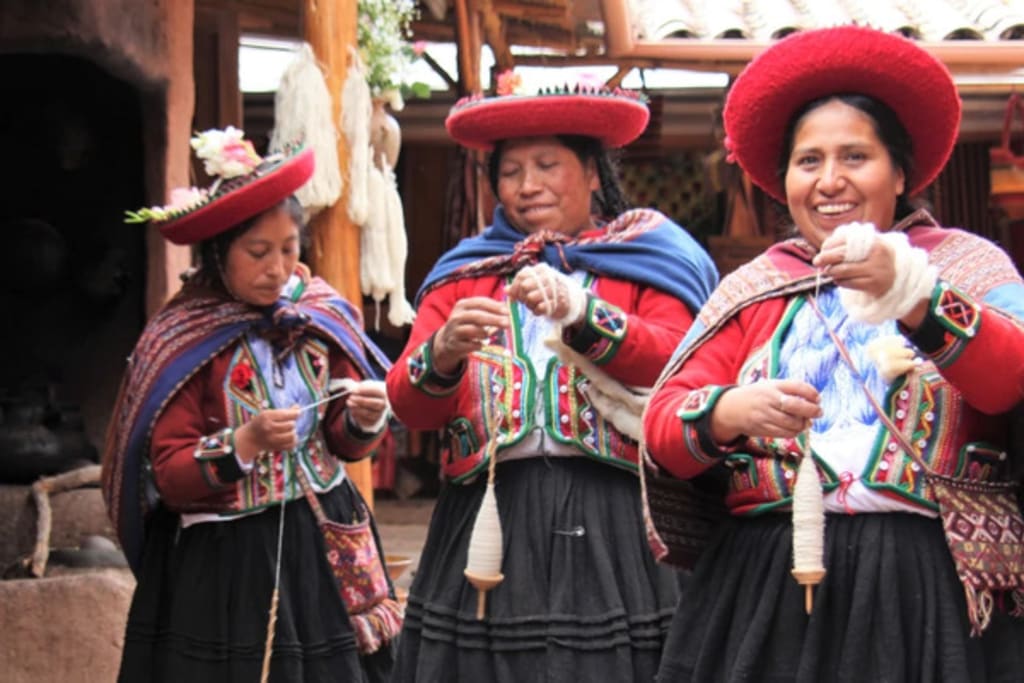
Peru, a country of breathtaking landscapes and ancient civilizations, is more than just a tourist destination. It is a living tapestry of culture, where time-honored traditions intertwine seamlessly with the fast-paced rhythm of modern life. For locals, "Peru Traditions" are not just relics of the past—they are the heartbeat of their identity, shaping everything from daily routines to grand celebrations. This article delves into how Peru traditions continue to play an indispensable role in the lives of modern Peruvians.
A Deep Connection to Ancestral Roots
Peru’s rich history is anchored in the achievements of ancient civilizations, particularly the Inca Empire. These ancestral roots have left an indelible mark on the cultural fabric of the nation. Oral storytelling remains a cherished practice among families, passing down knowledge, values, and folklore from one generation to the next.
For modern Peruvians, these traditions serve as a compass, guiding their values and fostering a sense of belonging. Whether through agricultural techniques like terracing or spiritual practices linked to nature, Peru traditions are alive and thriving, connecting locals to their past while shaping their future.
Celebrations and Festivals: A Living Legacy
One of the most vibrant expressions of Peru traditions is seen in its festivals and celebrations. Inti Raymi, the Festival of the Sun, is a dazzling reenactment of an Inca ritual honoring the sun god. Similarly, Qoyllur Rit'i, a pilgrimage blending Catholic and indigenous beliefs, attracts thousands of locals and visitors alike.
For modern Peruvians, these festivals are more than just spectacles; they are deeply spiritual experiences. While ancient rituals form the core of these celebrations, contemporary elements such as music, costumes, and technology have been integrated, creating a harmonious blend of old and new.
Traditional Cuisine and Daily Life
Peruvian cuisine is a source of immense pride, and traditional dishes remain staples in modern households. Meals like pachamanca—a hearty dish cooked underground with hot stones—are a testament to the country’s ancient cooking techniques. Other iconic foods, such as ceviche and lomo saltado, reflect Peru’s multicultural influences.
Modern Peruvians continue to rely on native ingredients like quinoa, potatoes, and corn, which have been cultivated for centuries. This culinary heritage is not just preserved locally; it has gained international acclaim, putting Peru on the global food map while retaining its authenticity.
Traditional Arts and Crafts in Modern Markets
Peru traditions are also intricately woven into its arts and crafts. The skill of weaving intricate textiles using alpaca wool, passed down through generations, is still highly valued. From colorful ponchos to handwoven rugs, these crafts are a testament to Peruvians' creativity and dedication to their heritage.
Modern artisans have embraced e-commerce and tourism to share these traditions with the world, blending traditional artistry with modern business practices. This not only sustains local economies but also keeps these time-honored crafts alive for future generations.
Traditional Medicine and Healing Practices
Indigenous healing practices and herbal medicine remain a cornerstone of Peru traditions, even in today’s medically advanced world. Shamans and healers, known as curanderos, use ancient rituals and natural remedies to address physical, emotional, and spiritual ailments.
Interestingly, many Peruvians integrate these practices with modern healthcare, creating a holistic approach to well-being. The resurgence of interest in traditional remedies, such as ayahuasca ceremonies, reflects a growing appreciation for ancestral wisdom in contemporary life.
Religion and Spirituality: A Fusion of Old and New
Religion in Peru is a fascinating blend of Catholicism and indigenous beliefs. For example, offerings to Pachamama (Mother Earth) coexist with Christian prayers, symbolizing the harmony between two spiritual worlds.
Modern Peruvians often observe rituals rooted in ancient traditions, such as burning coca leaves or building miniature shrines, while attending Catholic mass. This fusion of faiths exemplifies the adaptability of Peru traditions in a rapidly changing world.
Music and Dance: A Vibrant Expression of Culture
Traditional music and dance, such as Huayno and Marinera, are vital aspects of Peru’s cultural identity. These art forms, characterized by rhythmic melodies and expressive movements, are frequently performed at festivals, weddings, and social gatherings.
Schools and cultural organizations play a crucial role in teaching these traditions to the younger generation, ensuring that this vibrant part of Peru’s heritage continues to thrive.
Language: Bridging the Gap Between Past and Present
The indigenous languages of Quechua and Aymara are integral to preserving Peru traditions. Despite the dominance of Spanish, efforts to revive and promote these languages are gaining momentum.
Educational initiatives and government policies aim to keep these languages alive, allowing modern Peruvians to stay connected to their ancestral roots while navigating a globalized world.
Challenges to Preserving Peru Traditions
Globalization poses both opportunities and challenges for Peru traditions. Younger generations often face pressure to adopt modern lifestyles, which can sometimes lead to a disconnect from their cultural heritage.
However, many Peruvians are finding ways to adapt their traditions to modern contexts, ensuring their relevance without losing their essence. Tourism also plays a dual role, promoting traditions while sometimes risking their commodification.
The Role of Tourism in Peru Traditions
Cultural tourism has become a powerful tool for preserving Peru traditions. Visitors eager to experience authentic culture contribute to the revival of traditional practices, from weaving to festivals.
However, locals must strike a balance between sharing their heritage and protecting its integrity. Responsible tourism initiatives ensure that traditions are respected and not exploited for commercial gain.
Conclusion
Peru traditions remain the backbone of the nation’s cultural identity, offering a profound connection between the past and the present. For modern locals, these traditions are more than rituals—they are a way of life, a source of pride, and a bridge to their ancestors. As Peru continues to evolve, its traditions serve as a reminder of the enduring power of cultural heritage.
FAQs
Q1: What are some famous Peru traditions?
A1: Notable traditions include Inti Raymi, Qoyllur Rit'i, and Pachamanca cooking.
Q2: How do Peru traditions influence daily life?
A2: Traditions shape food, festivals, music, and even healthcare in Peru.
Q3: Why is language important in Peru traditions?
A3: Indigenous languages like Quechua preserve cultural identity and connect locals to their history.
Q4: How do modern Peruvians preserve traditions?
A4: They adapt rituals to modern contexts and integrate them into daily life, often with tourism’s help.
Q5: What is the role of festivals in Peru traditions?
A5: Festivals like Inti Raymi keep ancestral rituals alive and foster community spirit.
About the Creator
Encuentros Peru Adventure
Encuentros Peru Adventure offers an extensive array of excursions, encompassing cultural expeditions, gentle to moderate hikes, and adrenaline-pumping adventure sports activities.
Keep reading
More stories from Encuentros Peru Adventure and writers in Families and other communities.
Escape the Ordinary: Trek Through the Peruvian Jungle
Have you ever dreamed of leaving your daily routine behind and immersing yourself in the lush, vibrant landscapes of the Peruvian jungle? If so, the Inca Jungle Trek offers an unparalleled adventure that combines breathtaking scenery with rich cultural experiences. With its diverse ecosystems, unique wildlife, and fascinating history, trekking through this extraordinary environment is a journey like no other.
By Encuentros Peru Adventureabout a year ago in Families
Wise~Guys
— Look Behind what's in Front of You ~ Make Good Choices — Hey, So how you Doin'..! Made~Men — Mobster Movies romanticise a distinctive, elegant appearance, impeccable attire style, along with the 'Families' expressive lingo. Making their 'Bones' gave them Panache — with vintage fedoras, tailored pin-striped suits, mirror-polished wing-tip shoes adorned with tassels; with their 'Gun Moll' gorgeous dates on their arms.
By Jay Kantor19 days ago in Families
Bettijo Hirschi
Introduction Bettijo Hirschi is a multi‑talented creative professional from the United States. She works as a designer, art director, photographer, writer, and event planner. Bettijo has built a long career in creative work and media. People know her for her artistic skills, her work in magazines and television, and her lifestyle blog. She is also known in recent news because of changes in her personal life.
By Farhan Sayed4 days ago in Families
The Devil's Cut
“Comrade, finally you’re awake.” The voice was smooth, sensual. A flickering incandescent bar was all that lit the white, sterile room. All Vladimir remembered was everything going black. He tried to move his arms and found them strapped to the gurney.
By Matthew J. Fromm5 days ago in Fiction




Comments
There are no comments for this story
Be the first to respond and start the conversation.