
The rich heritage of traditional italian food
Experience Italy through its flavors: passion behind traditional italian cuisine

Traditional Italian food is not just about nourishment; it’s an experience that embodies the essence of Italian culture and lifestyle. Italian cuisine is celebrated worldwide for its simplicity, fresh ingredients, and the passion that goes into each dish. In this article, we'll explore the rich heritage of Italian food, the staples that have become iconic, and the time-honored methods of preparation that make this cuisine so unique!
Pasta and beyond: italian food staples
Italian cuisine is renowned worldwide for its vibrant flavors, fresh ingredients, and deep-rooted traditions. Each region in Italy offers its own unique dishes, reflecting the local culture, climate, and history. Whether it’s the rich, slow-cooked ragù, the seafood delicacies, or the creamy risottos of Northern Italy, traditional Italian food is a celebration of regional diversity. Generations-old recipes are passed down, ensuring that the authenticity of flavors remains intact, and fresh, locally-sourced ingredients play a key role in keeping the dishes rich and wholesome.
While pasta is perhaps the most iconic symbol of Italian cuisine, the world of traditional Italian food extends far beyond it. Pizza, risotto, polenta, and a variety of cured meats and cheeses like prosciutto and Parmigiano-Reggiano showcase the breadth of Italy's culinary landscape. Every dish, from antipasti to dolci, is crafted with a focus on quality and simplicity, allowing the natural flavors of the ingredients to shine through. Whether it's a hearty meal or a delicate dessert, Italian food emphasizes balance, making each bite a taste of tradition.
The Art of slow cooking in italian tradition
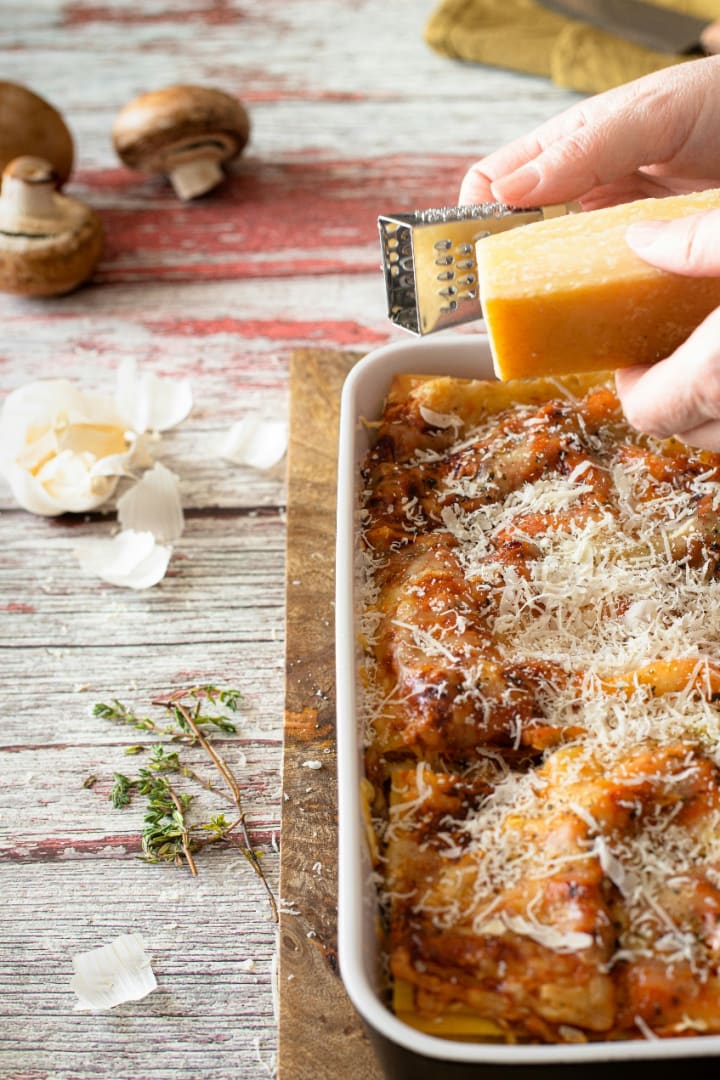
One of the cornerstones of traditional Italian food is the emphasis on slow cooking, a method that enhances the depth of flavors and preserves the integrity of ingredients. Dishes like osso buco, lasagna, and brasato al Barolo are patiently simmered for hours, allowing the aromas to fully develop. This slow approach to cooking is not only about the final dish but also reflects the Italian way of life, where meals are enjoyed as a communal experience. Taking time to prepare and share food is a valued tradition, turning every meal into a moment of connection with family and friends.
Italian cuisine is filled with fascinating facts and traditions. Did you know that in Italy, each type of pasta is traditionally paired with a specific sauce? For example, thicker pasta shapes like pappardelle are paired with hearty sauces like wild boar ragu, while lighter sauces like pesto are often served with thinner pasta like trofie. Another curiosity is the Italian tradition of enjoying a small shot of espresso after meals to aid digestion, a practice known as “il caffè.” Despite being enjoyed across the globe, Traditional Italian food remains a cornerstone of Italian life, cherished for its capacity to bring people together around the table.
In a world that often moves too fast, Traditional Italian food reminds us to slow down, savor the moment, and appreciate the beauty in simplicity. Whether you’re enjoying a comforting bowl of pasta or indulging in a decadent tiramisu, Italian cuisine offers a timeless experience, rooted in love, tradition, and, of course, deliciousness!
Additionally, the ingredients used in Italian cuisine are often locally sourced, following the rhythm of the seasons. Italians take pride in fresh, seasonal ingredients that celebrate the land's abundance. Tomatoes, basil, and olive oil dominate summer dishes, while comforting root vegetables and robust wines shape winter meals. This respect for seasonal ingredients not only enhances the dishes' flavor but also pays homage to Italy’s diverse regions, each contributing unique culinary elements that together create a rich and varied gastronomic landscape.
Italian cooking also embodies the concept of cucina povera, or "poor kitchen," which highlights the ability to create remarkable dishes from humble ingredients. Originating from times when food scarcity was common, Italians learned to transform basic staples like bread, pasta, and vegetables into flavorful meals through creativity and simple techniques. Today, dishes like ribollita and pasta e fagioli reflect this ingenuity, reminding us that even the simplest of ingredients, when treated with care and patience, can become a culinary masterpiece. In this way, Italian food encourages us to value quality over complexity, focusing on the true essence of each ingredient.
About the Creator
Keep reading
More stories from Luca Bernardini and writers in Families and other communities.
Maximize your eBay profits: tips for effective listings and pricing
If you want to increase eBay sales, fine-tuning your listings and pricing strategies can make a significant impact. From crafting titles that grab attention to setting competitive prices, there are multiple ways to make your listings stand out and attract buyers. In this guide, we’ll break down the essential steps you can take to ensure your listings are both appealing and profitable, ultimately helping you boost your eBay business.
By Luca Bernardiniabout a year ago in Geeks
Wise~Guys
— Look Behind what's in Front of You ~ Make Good Choices — Hey, So how you Doin'..! Made~Men — Mobster Movies romanticise a distinctive, elegant appearance, impeccable attire style, along with the 'Families' expressive lingo. Making their 'Bones' gave them Panache — with vintage fedoras, tailored pin-striped suits, mirror-polished wing-tip shoes adorned with tassels; with their 'Gun Moll' gorgeous dates on their arms.
By Jay Kantor18 days ago in Families
The Portal of Creation:
Across ages and civilizations, the feminine principle has been revered not merely as a companion to creation, but as its very portal. The phrase “portal of creation” captures a truth whispered through myth, mysticism, and sacred geometry alike — that the universe expresses itself through a generative matrix, a womb of becoming. In this cosmology, creation is not a passive event but an eternal pulse flowing through the living body of the feminine.
By Living the Greatest CONSPIRACY Theory. By RG.about an hour ago in Families




Comments
There are no comments for this story
Be the first to respond and start the conversation.