
The Psychology of Sports: A Winning Mindset
Perfect body with perfect smile

The Psychology of Sports: A Winning Mindset
Sports, more than just physical competition, offer a unique platform to explore the intricacies of human psychology. From the thrill of victory to the agony of defeat, athletes face a myriad of mental challenges that can significantly impact their performance. This article delves into the fascinating world of sports psychology, examining the factors that contribute to success and the strategies athletes employ to cultivate a winning mindset.
The Role of Motivation
Motivation is a cornerstone of athletic success. Intrinsic motivation, stemming from personal enjoyment and satisfaction, is often more sustainable than extrinsic motivation, driven by external rewards or pressures. Athletes who find intrinsic value in their sport are more likely to persevere through challenges and maintain a positive outlook.
The Power of Visualization
Visualization, or mental imagery, is a powerful tool used by athletes to mentally rehearse their performance. By creating vivid mental pictures of success, athletes can enhance their confidence, improve their motor skills, and reduce anxiety. Studies have shown that visualization can be as effective as physical practice in improving athletic performance.
Coping with Stress and Anxiety
Sports often involve high-pressure situations that can induce stress and anxiety. Athletes who develop effective coping mechanisms can better manage these challenges. Relaxation techniques, such as deep breathing and meditation, can help athletes calm their minds and reduce physiological arousal. Additionally, cognitive-behavioral therapy (CBT) can be used to address negative thought patterns and develop positive self-talk.
The Importance of Goal Setting
Setting clear and achievable goals is essential for athletic success. Goals provide direction, motivation, and a sense of purpose. Athletes who set specific, measurable, achievable, relevant, and time-bound (SMART) goals are more likely to stay focused and committed to their training.
The Impact of Team Dynamics
For team sports, the dynamics within the team can significantly influence performance. Positive team chemistry, characterized by trust, respect, and cooperation, can create a supportive and motivating environment. Effective leadership plays a crucial role in fostering positive team dynamics and ensuring that everyone is working towards a common goal.
The Psychology of Recovery
Recovery is often overlooked in athletic performance. Adequate rest and sleep are essential for physical and mental recovery. Athletes who prioritize recovery can reduce the risk of injuries, improve their mood, and enhance their overall well-being.
The Influence of Personality Traits
Certain personality traits, such as grit, resilience, and self-efficacy, can contribute to athletic success. Grit, defined as perseverance and passion for long-term goals, is a key factor in overcoming challenges and maintaining motivation. Resilience, the ability to bounce back from setbacks, is also essential for athletes. Self-efficacy, or belief in one's own abilities, can positively influence performance and motivation.
The Role of Coaching and Mentorship
Effective coaching and mentorship can play a significant role in developing athletes' mental skills. Coaches can provide guidance, support, and feedback, helping athletes to overcome challenges and reach their full potential. Mentors can also offer valuable advice and support, sharing their own experiences and lessons learned.
The Impact of Sports on Mental Health
Participating in sports can have positive effects on mental health. Regular physical activity has been shown to reduce stress, anxiety, and depression. Additionally, the social interactions and sense of belonging that come with team sports can contribute to overall well-being.
The Future of Sports Psychology
As the field of sports psychology continues to evolve, we can expect to see even more innovative strategies for enhancing athletic performance. Advances in technology, such as neuroimaging and wearable devices, are providing new insights into the brain and body during athletic activity. These advancements are likely to lead to more targeted and effective interventions for athletes.
The Role of Culture and Society
Cultural and societal factors can also influence athletes' experiences and performance. Stereotypes and biases can create challenges for athletes from marginalized groups, while cultural norms and values can shape athletes' attitudes and behaviors. Recognizing the impact of culture and society is essential for understanding the complexities of sports psychology.
The Intersection of Sports and Technology
Technology has revolutionized the world of sports, from training methods to performance analysis. Athletes now have access to a wide range of tools and technologies that can help them improve their skills and track their progress. However, the reliance on technology can also present challenges, such as the potential for overtraining or the pressure to perform at an unrealistic level.
The Ethical Implications of Sports Psychology
The use of sports psychology raises ethical questions, particularly in relation to the manipulation of athletes' mental states. It is important to ensure that athletes are treated ethically and that their well-being is prioritized. Ethical guidelines and regulations should be in place to protect athletes from harmful practices.
Conclusion
Sports psychology offers valuable insights into the mental factors that contribute to athletic success. By understanding the role of motivation, visualization, stress management, goal setting, team dynamics, recovery, personality traits, coaching, mental health, culture, technology, and ethics, athletes can develop a winning mindset and optimize their performance. As the field of sports psychology continues to evolve, we can expect to see even more innovative strategies for enhancing athletic achievement.
About the Creator
Keep reading
More stories from writers in Families and other communities.
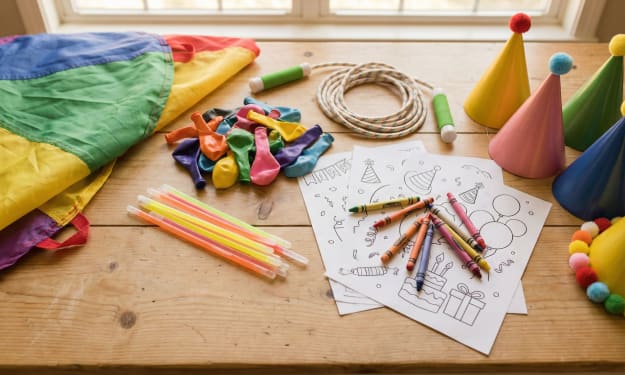
12 Birthday Party Activities for Kids That Don't Require a Pinterest PhD
You don't need to spend three weeks crafting elaborate decorations or refinance your house for a bouncy castle. The best birthday party activities for kids are the ones that actually work: low prep, high chaos, maximum fun.
By Ben Robertson7 days ago in Families



Comments
There are no comments for this story
Be the first to respond and start the conversation.