
The Power of Meditation: How it Can Transform Your Life
Yoga Meditation for Health & Fitness
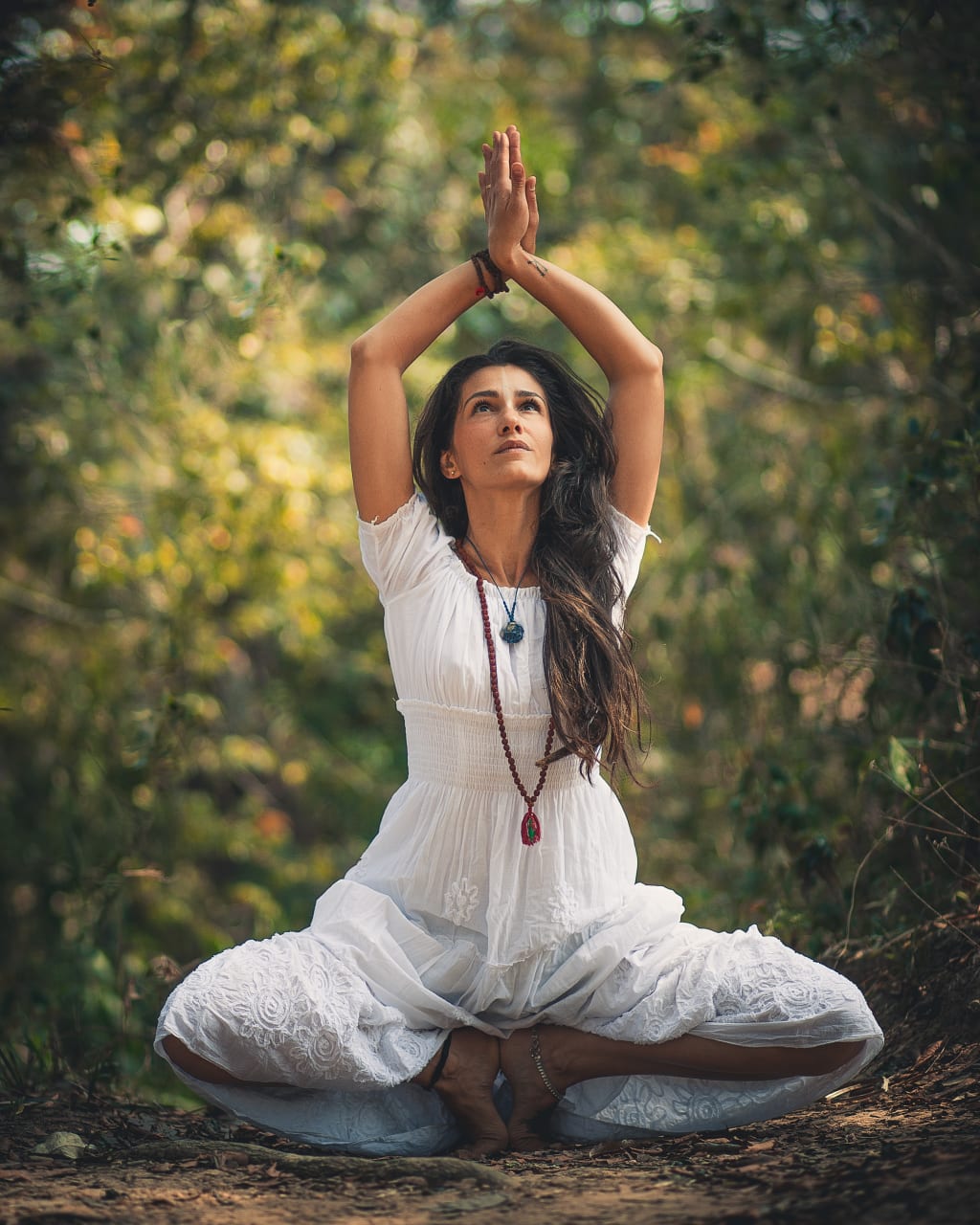
Meditation is a practice in which an individual uses a technique – such as mindfulness, or focusing their mind on a particular object, thought, or activity – to train attention and awareness, and achieve a mentally clear and emotionally calm and stable state.
There are many potential benefits to meditation, including:
- Reduced stress: Meditation can help to reduce stress by promoting relaxation and calming the mind.
- Improved focus and concentration: Meditation can improve focus and concentration by training the mind to be more present and less distracted.
- Increased self-awareness: Meditation can help individuals gain a deeper understanding of their own thoughts and emotions, leading to increased self-awareness.
- Improved physical health: Meditation has been linked to a number of physical health benefits, such as lower blood pressure, improved cardiovascular health, and a stronger immune system.
- Enhanced emotional well-being: Meditation has been shown to improve mood and reduce the symptoms of anxiety and depression.
- Improved relationships: The increased self-awareness and emotional regulation gained through meditation can lead to improved relationships with others.
The Ultimate Guide to Starting a Meditation Practice
If you're reading this, chances are you're interested in the many potential benefits of meditation and want to learn how to get started. Well, you're in the right place! Here's everything you need to know to start your meditation journey.
Step 1: Choose a meditation style that works for you. There are many different types of meditation, such as mindfulness meditation, loving-kindness meditation, and transcendental meditation. It's important to find a style that resonates with you and fits your lifestyle.
Step 2: Create a dedicated space for meditation. It doesn't have to be elaborate - a quiet corner of your home or a comfortable spot in your office will do. The important thing is to have a designated area where you can practice without distractions.
Step 3: Set aside a regular time for meditation. It's important to make time for your practice, so choose a time that works for you and try to stick to it. Even just a few minutes a day can make a difference.
Step 4: Get comfortable. Find a comfortable seated position, either on a cushion or chair, with your back straight and your feet planted firmly on the ground. You can also lie down, but be aware that you may fall asleep!
Step 5: Focus your attention. The goal of meditation is to focus the mind, so try to keep your attention on a specific object, thought, or activity. It's natural for your mind to wander, but when you notice this happening, gently redirect your attention back to your chosen focus.
Step 6: Be patient. Meditation takes practice, so don't get discouraged if you find it difficult at first. It's normal to feel a little restless or have racing thoughts, but with time and consistent practice, you'll find it easier to calm your mind and find a sense of inner peace.
And that's it! With these steps, you'll be well on your way to starting a regular meditation practice. Remember to be patient and consistent, and before you know it, you'll be reaping the many benefits of this powerful practice.
About the Creator
Wise~Guys
— Look Behind what's in Front of You ~ Make Good Choices — Hey, So how you Doin'..! Made~Men — Mobster Movies romanticise a distinctive, elegant appearance, impeccable attire style, along with the 'Families' expressive lingo. Making their 'Bones' gave them Panache — with vintage fedoras, tailored pin-striped suits, mirror-polished wing-tip shoes adorned with tassels; with their 'Gun Moll' gorgeous dates on their arms.
By Jay Kantor19 days ago in Families



Comments
There are no comments for this story
Be the first to respond and start the conversation.