
The Path to Paw-some Behavior: Expert Strategies for Training Your Adorable Pup!
Bringing a new puppy into your home is an exciting and joyous experience. However, it also comes with its fair share of challenges, especially when it comes to training...
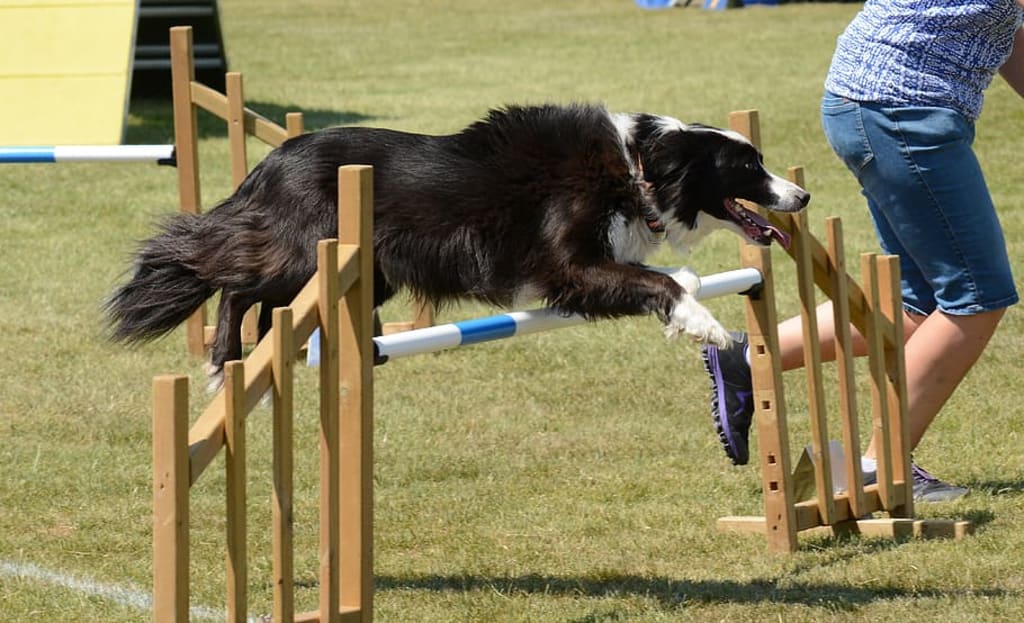
Introduction:
Bringing a new puppy into your home is an exciting and joyous experience. However, it also comes with its fair share of challenges, especially when it comes to training. Every pet owner dreams of having a well-behaved, obedient, and happy furry companion, and achieving that requires consistent and effective training strategies. In this article, we will delve into the expert strategies that pave the way for paw-some behavior in your adorable pup. By following these techniques, you’ll establish a strong bond with your furry friend while nurturing their growth and development.
Start Early, Start Right:
Training your puppy should begin as soon as you bring them home. The early days are crucial for establishing routines and setting boundaries. Introduce them to their designated living space, teach them where to eliminate, and start basic commands such as “sit,” “stay,” and “come.” Consistency is key during this phase.
Positive Reinforcement:
Using positive reinforcement is a highly effective training approach. Reward your puppy with treats, praise, and affection when they exhibit desired behaviors. This technique encourages them to repeat those behaviors and strengthens the bond between you. Remember to reward immediately after the desired behavior occurs to reinforce the association.
Socialization: The Key to a Well-Adjusted Pup:
Socialization is vital for a well-rounded and confident puppy. Expose your furry friend to different environments, people, animals, and experiences from an early age. This exposure helps them become comfortable and adaptable, preventing behavioral problems later in life.
Patience and Persistence:
Training a puppy requires patience and persistence. Puppies are like sponges, but they also have short attention spans. Keep training sessions short and frequent, gradually increasing their duration as your pup develops focus and stamina. Be patient and repeat commands until they understand and respond accordingly.
Consistency in Rules and Expectations:
Consistency is a fundamental aspect of successful training. Establish clear rules and expectations for your puppy’s behavior and ensure that all family members or caregivers follow them consistently. Conflicting commands or inconsistent boundaries can confuse your pup and hinder their progress.
Crate Training: A Safe Haven for Your Pup:
Crate training is an effective way to provide your puppy with a safe and comfortable space while promoting good behavior. Introduce the crate as a positive and inviting place, gradually increasing the duration of time spent inside. This helps prevent destructive behaviors and aids in potty training.
Leash Training: Walking in Harmony:
Proper leash training is essential for enjoyable walks and a well-behaved pup. Start by getting your puppy accustomed to wearing a collar or harness, then introduce the leash. Begin with short, controlled walks, rewarding your pup for walking calmly by your side. As they progress, gradually increase the length and complexity of your walks.
Redirecting Undesirable Behaviors:
Puppies may exhibit undesirable behaviors, such as chewing on furniture or excessive barking. Instead of scolding or punishing them, redirect their attention to appropriate alternatives. Provide them with chew toys or engage them in mentally stimulating activities to redirect their energy in a positive way.
Seek Professional Guidance if Needed:
If you encounter difficulties or are unsure how to address specific behavioral issues, don’t hesitate to seek professional guidance. Professional dog trainers can provide personalized advice and support, tailoring their strategies to your pup’s unique needs.
Never Forget the Power of Love:
Finally, never underestimate the power of love and affection in training your puppy. Positive reinforcement, coupled with a nurturing and loving environment, creates a strong bond between you and your furry friend. Shower them with praise, cuddles, and playtime to reinforce their good behavior and make training an enjoyable experience for both of you.
Conclusion:
Training your adorable pup requires dedication, consistency, and the right strategies. By starting early, using positive reinforcement, socializing effectively, and maintaining patience and persistence, you can guide your puppy towards paw-some behavior. Remember, professional guidance is always available if needed. With love, time, and effort, you’ll lay the foundation for a well-behaved, happy, and cherished companion for years to come.
About the Creator
Keep reading
More stories from Muhammad Rafiq and writers in Families and other communities.
15 SIGNS YOU NEED TO END A RELATIONSHIP NOW!
1. You're not interested in each other You don't wind up inspired by every others lives or need to invest energy with one another any longer. They don't appear to be keen on the thing you're doing or the significant things in your day to day existence.
By Muhammad Rafiq3 years ago in Families
Wise~Guys
— Look Behind what's in Front of You ~ Make Good Choices — Hey, So how you Doin'..! Made~Men — Mobster Movies romanticise a distinctive, elegant appearance, impeccable attire style, along with the 'Families' expressive lingo. Making their 'Bones' gave them Panache — with vintage fedoras, tailored pin-striped suits, mirror-polished wing-tip shoes adorned with tassels; with their 'Gun Moll' gorgeous dates on their arms.
By Jay Kantor19 days ago in Families
Wild Card Weekend Recap: What Happens Now?
I think I figured out why I love Wild Card Weekend so much. It's because it's the first playoff anything of the calendar year. The NFL season starts in the fall, and once upon a time, the champion was crowned either on or slightly before New Year's. The evolution of the NFL schedule has resulted in the playoffs starting just into the New Year, and currently, the final week of the season falls on the first weekend of the New Year, with Wild Card Weekend coming a week after that. So yes, chronologically, the NFL's Wild Card Weekend serves as the first playoff anything of the calendar year.
By Clyde E. Dawkins7 days ago in Unbalanced




Comments
There are no comments for this story
Be the first to respond and start the conversation.