
The Modern Matricide is Justified
When Estrangement Becomes the Only Option for Survival


Matricide or maternal homicide refers to the act of killing one’s mother. Although this term very often connotes extreme violence and horror, it is also used metaphorically for a profound, emotional rupture between children and their mothers. In modern contexts, matricide is not about physical death but about the emotional and psychological severing of the mother-child bond.
In many instances, this “matricide moderne” may well be a well-warranted and due reaction to toxic, abusive, or manipulative relationships; in such cases, cutting ties is seen as an act of self-preservation and healing. This article explores some of the emotional, psychological, and social factors that contribute to the decision of estranged children to distance themselves from their mothers, challenging traditional views about family loyalty and questioning the boundaries of what it means to love and be loved by one’s parents.
Estrangement: A Complex Web of Abuse and the Struggle for Accountability
The phenomenon of estrangement, especially between parents and their adult children, is surely painful and often poorly understood. Although every situation is different, there are some common denominators underlying the dynamics involved in emergences of manipulation, control, and unresolved emotional wounds, among other issues, which can present themselves in any number of ways. The crux is that many parents cannot easily face their part in how estrangement unfolds.
At the heart of this exploration into modern matricide is Kirsten Alberts, a support and trauma counselor who specializes in breaking the patterns of narcissistic and emotional abuse. With years of experience working with individuals affected by toxic family dynamics, Kirsten offers invaluable insights into the complexities of estrangement and the difficult choices many children face when severing ties with abusive parents. Through her YouTube channel and website, she provides resources and support for those navigating the emotional turmoil of family estrangement.
Kirsten’s work brings light to the more insidious forms of abuse and enables her approach, which echoes the imperative of accountability from those who create emotional harm. She makes salient points in her extensive discussions that sometimes the actions of estranged children are not about revenge or resentment but about protection from further emotional harm after years of neglect, manipulation, or emotional violence.
The Cycle of Abuse and Isolation
A big question of estrangement presents the involvement of abusive partners. According to Katherine Bower, an abusive person usually isolates his partner from her social network-a behavior very similar to control tactics in cults. Indeed, toxic family dynamics all too often echo that of a cult: the abuse of power, manipulation, and the breaking down of the self-concept on the part of an individual.
It is common in situations where adult children become involved with abusive partners for estranged parents to point at these partners as the cause of the estrangement. But again, more often than not, it is more complexly explained.
Parents who were emotionally abusive or neglectful of their children may be projecting their failings onto these partners, painting them as the villains in a narrative where they are the innocent victims.
The problem comes into clearer focus in the stories the estranged children shared. Many of them recounted growing up in emotionally toxic environments that were rehearsing them for unhealthy relationships when they reached adulthood.
One striking example: a mother blamed her son-in-law for “isolating and brainwashing” her two daughters. The mother presented herself as a grief-stricken parent who had been denied access to her children, while the relationships between the daughters and the son-in-law were considerably more complex: both daughters, at one time or another, had been taken into care; the elder had married this man to remove her younger sister from what she perceived as an abusive household. Her refusal to acknowledge the part she has played in the fractured relationships and her insistence on portraying herself as a helpless victim underlines an attitude found in so many estranged parents.
This refusal to take responsibility for their actions often fuels the estrangement, making reconciliation impossible. In some cases, when estranged children manage to escape the toxic home environment and build healthy, loving relationships with supportive partners, their parents — despite having had opportunities to mend relationships — resent these new partners. This dynamic reveals that the core issue often lies not with the abusive partner but with the parent’s failure to change or acknowledge their past behavior.
The Paranoia and Defensiveness of Estranged Parents
Support groups, when sought out by alienated parents, often result in brutal attacks and lambasting from the other members of the group. During these moments, the distinction begins to be clear between parents who will remain in such groups and those who will leave. Other parents enter these forums asking for help fixing the situation, but their questions are indicative. Or they ask for “reasons for estrangement” or even seek to understand the “boundaries” their children are setting, which in itself can elicit a hostile response from group members. The emphasis is important here: these parents do not take responsibility for their part in the estrangement. Instead, they seek to find justification for their actions; many times, they wish to continue the manipulative behaviors.
The need to defend themselves from even a hint that they might have done something wrong is too overwhelming. As one member of the estranged children’s group explained, such responses from these parents show an inability to accept responsibility for their abusive behaviors.
A parent who claims, “We were not the ones who abused them,” negates the trauma of the children.
The first ones focus on their suffering, stressing that a child should forgive and forget. Entitlement is enhanced by the very idea that children, often young when the abuse happened have been aware of the parents’ struggles with mental health or toxic relationships.
Unfortunately, this denial of responsibility often creates the scenario in which children, while in the majority and wishing only to move on with their lives, are forced into having to cut contact altogether. It’s not a matter of reliving past hurts or keeping score; they want the abuse to end. Many children decide that permanent estrangement is their only option due to some parents’ inability to understand a child’s wish for emotional safety.
The Role of Mental Health and Unresolved Trauma
Another important factor that plays an essential role in estrangement is the impact of mental health and the circle of abuse. Parents with active mental health problems that are untreated will lash out at their children in ways that are damaging yet incomprehensible to them. Some parents, especially mothers who have been victims of domestic abuse, may say that they were unable to protect their children, despite their children begging them to leave abusive situations. The tragedy here is not just the abuses but the accountability taken thereafter, if at all. These parents often feel their children should understand the pain that they have endured and continue to excuse their actions.
What is even more disturbing, though, is how these parents often act when their children finally decide to distance themselves. They continue to justify the behavior, blaming their children for being “ungrateful” or “self-centered.” The comments from the estranged children showed a growing frustration with parents who not only refuse to recognize their role in the harm they caused but also refuse to seek help to break free from the cycle of abuse. The demand from these children is not for an immaculate past but for recognition of the pain they went through.
The Power of Accountability
The solution to estrangement doesn’t lie in finding a perfect resolution through therapy or mediation; it lies in accountability. Parents who can own up to their mistakes, apologize for them and genuinely try to change their behavior are much more likely to heal fractures in relationships. Unfortunately, parents who refuse to accept responsibility are often the ones who perpetuate the cycle of estrangement. These are the parents who remain defensive, still justifying their actions and manipulating their children rather than allowing the possibility of healing.
The struggle for alienated children is not about vengeance but about finding peace. And that, for many of us, requires breaking ties with parents who refuse to take responsibility for the damage they have caused. The more we understand these dynamics, the more we can offer support for those around us who are in the middle of their painful journey of estrangement from dysfunctional relatives and abusive partners alike.
About the Creator
Tania T
Hi, I'm Tania! I write sometimes, mostly about psychology, identity, and societal paradoxes. I also write essays on estrangement and mental health.
The Last Letter From My Mother
Life moves very fast. Sometimes we are so busy chasing our dreams that we forget the people who love us the most. A few years ago, I was living in another city because of my job. My life was busy. Every day, I worked long hours, met new people, and tried to build a better future. I thought success and money were the most important things in life. I had little time for anything else, and I often ignored the small things that truly mattered.
By Muhammad Tanveer4 days ago in Families
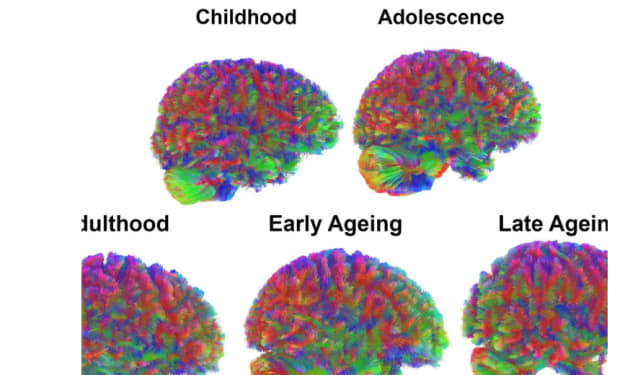
The "most crucial" ages for human brain growth, maturity, intelligence, and general ability are four.
From the time of our birth until the very end of our lives, our brains undergo gradual changes. These shifts influence how we learn, think, remember, and react to the world. They might be gradual at times or abrupt at others.
By Francis Damia day ago in Families



Comments
There are no comments for this story
Be the first to respond and start the conversation.