
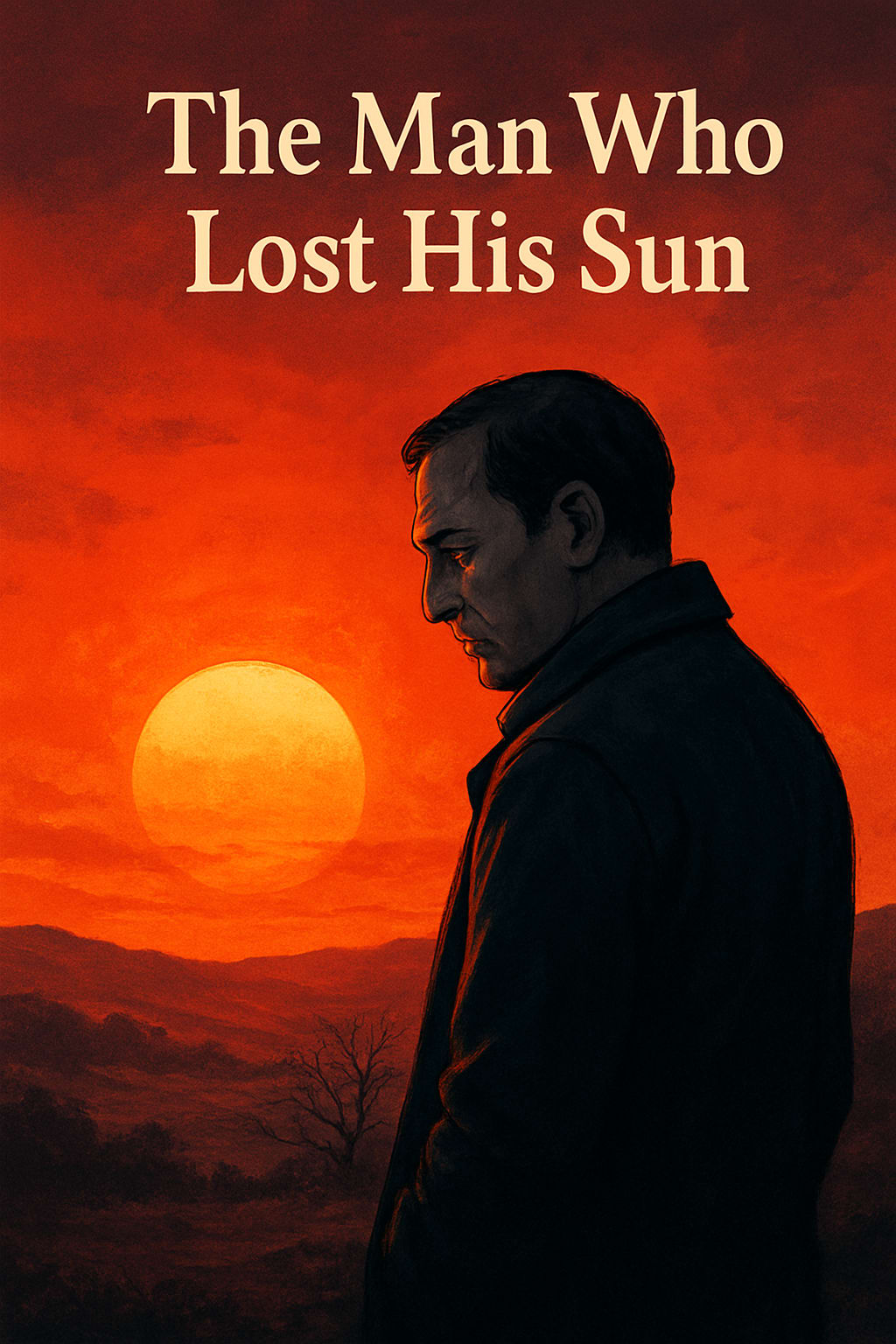
The Man Who Lost His Sun
Editor’s Note:
This story reflects the human cost of war through the life of one ordinary man. It is a work of literary fiction inspired by real events and lived experiences.
Content Note:
This story contains themes of war, loss, and family tragedy.
For years, the neighborhood knew Abdelrahman as a man of quiet goodness. His reputation was built not on wealth or power, but on honesty, patience, and the steady strength of his hands. By trade, he was a builder. He raised houses from dust and stone, shaping walls as if he were giving them hearts. Yet his greatest creation was not made of concrete—it was the family he built with love.
Abdelrahman had five sons, all young, strong, and deeply devoted to him. They were his pride, his companions, and his daily support. Together they worked on construction sites beneath the burning sun. Together they returned home each evening to share bread, laughter, and dreams. One by one, he married them all and placed each son in an apartment inside the same building he had built with his own hands. One building, one family, one life. The laughter of grandchildren filled the stairwells, and the soft voices of his daughters-in-law drifted through open windows. Life was simple, secure, and warm.
Then the war arrived without warning—and everything fell apart.
One night, soldiers stormed the area and detained Abdelrahman. He was taken blindfolded into the dark, his last sight the building that held his entire world. While he was held away from his family, an airstrike hit an apartment next to their home. Two of his sons had rushed to help neighbors escape. They were buried beneath fire and concrete, killed before they could return.
Abdelrahman learned of their deaths through broken whispers behind prison walls. No farewell. No burial. Only silence pressing against his chest.
Days later, tragedy returned. His third son ran toward the sound of screams after another strike. Carrying only a small medical kit, he knelt beside a wounded man to stop the bleeding. A second missile struck the street. He was killed where he knelt—punished for choosing mercy.
Only two sons remained alive.
When Abdelrahman was finally released, Gaza was no longer one place. Roads were destroyed, neighborhoods isolated, and crossings sealed. He found himself trapped in one zone while his surviving sons were stranded in another. Their wives and children were forced into overcrowded tents—living among dust, sickness, hunger, and endless displacement. Mothers became both parents overnight. Children learned to sleep beneath nylon and fear.
Months dragged on like open wounds. Abdelrahman counted time not by days, but by explosions and unanswered prayers. All he owned now was hope—the fragile belief that he might see his last two sons again.
Then, during a brief and uncertain ceasefire, the roads opened.
He crossed ruins and shattered streets, his heart trembling between fear and longing. When he finally saw his two sons standing before him—thin, exhausted, but alive—his legs gave way. They fell into each other’s arms without words. Their reunion was quiet, heavy with the absence of three brothers who would never return.
But Gaza does not grant happiness without demanding payment.
Electricity had been cut for nearly two years. People depended on public charging stations to power their phones and hear the voices of loved ones. One afternoon, Abdelrahman’s two remaining sons stood in line at one such station, waiting to charge their devices so they could call their families.
Without warning, a missile fell on the crowd.
In a single moment, the final pillars of Abdelrahman’s life collapsed.
By the end of the war, he had lost all five of his sons.
He returned to his neighborhood to find his home reduced to rubble. Now he lives among the ruins, caring for his grandchildren and the widows of his sons. His hands—once used to build homes for others—now gather children from the dust and rebuild broken hearts from sorrow.
Each morning, as the sun rises over destruction, Abdelrahman gathers the children around him and whispers with a voice carved from grief:
“Your fathers are gone… but I remain. And as long as I breathe, you will never be alone.”
About the Creator
Keep reading
More stories from Medo Salah and writers in Families and other communities.
Story: “The Last Lantern
The Last Lantern A Short Literary Story from Gaza Editor’s Note: This story is a work of literary fiction inspired by lived experiences of war and displacement. It reflects the resilience of children and the fragile persistence of hope in extreme darkness.
By Medo Salahabout a month ago in 01
Christmas Abroad: Celebrating the Holidays Without Family
I moved to South Korea in 2017. I was twenty-two years old and excited to start my career as an English Second Language Teacher. With a Bachelor's degree and six hundred dollars in my bank account, I set off for Busan.
By Kera Hollow28 days ago in Families
How Can You Stay Safe While Traveling in Punta Cana?
Traveling should feel exciting, not stressful, and when Punta Cana is on your list, safety is usually one of the first things you think about. I have learned that feeling secure while traveling is not about fear, it is about awareness and smart choices that let you fully enjoy the experience.
By Amanda Glen4 days ago in Families


Comments
There are no comments for this story
Be the first to respond and start the conversation.