
The Link Between Stress and Oral Health
Oral Health

The Link Between Stress and Oral Health Stress has become an inevitable part of modern life, affecting not just mental and emotional well-being but also physical health. One often overlooked consequence of stress is its impact on oral health. In this blog, we will explore the connection between stress and oral health, how it manifests, and what you can do to protect your teeth and gums from the damaging effects of stress.
How Stress Affects Oral Health
Stress triggers various physiological responses in the body, many of which can have a direct impact on your oral health. Here are some common ways stress can manifest in dental problems:
1. Bruxism (Teeth Grinding and Clenching)
Bruxism, or the grinding and clenching of teeth, is one of the most common stress-related oral health issues. Many people unconsciously grind their teeth at night or during stressful situations. This habit can lead to tooth wear, fractures, jaw pain, and even headaches. Over time, bruxism can cause permanent damage to your teeth and the temporomandibular joint (TMJ).
2. Gum Disease (Periodontal Disease)
Chronic stress weakens the immune system, making it harder for the body to fight infections, including gum infections. Stress can also lead to inflammation in the body, contributing to the development of periodontal disease. This condition can cause gums to become swollen, red, and bleed, leading to more severe issues such as tooth loss if left untreated.
3. Dry Mouth (Xerostomia)
Stress can reduce saliva production, leading to dry mouth. Saliva plays a crucial role in keeping the mouth clean by neutralising acids and washing away food particles and bacteria. A dry mouth increases the risk of tooth decay, gum disease, and bad breath (halitosis).
4. Canker Sores
These sores are painful and can make eating and speaking uncomfortable. While they usually heal on their own, frequent canker sores may be a sign of chronic stress affecting your oral health.
5. Neglect of Oral Hygiene
people often neglect their daily oral hygiene routine. Skipping brushing, flossing, and dental appointments can quickly lead to plaque buildup, cavities, and gum disease. Additionally, stress can lead to unhealthy eating habits, such as consuming sugary snacks, which further exacerbate dental problems.
What You Can Do to Protect Your Oral Health
Understanding the link between stress and oral health is the first step toward prevention. Here are practical steps you can take to safeguard your teeth and gums from the effects of stress:
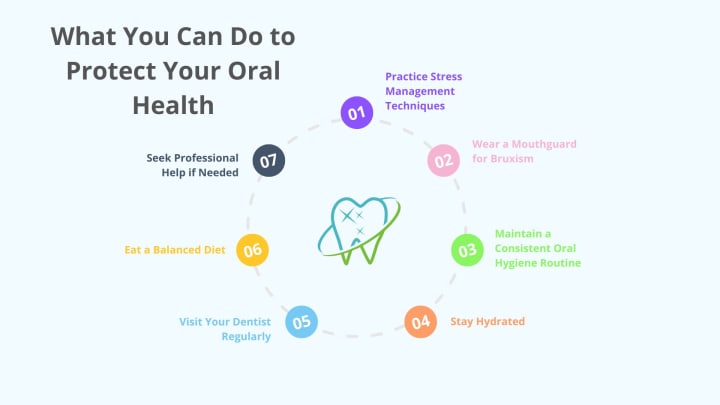
1. Practice Stress Management Techniques
Incorporate stress-relieving activities into your daily routine. Techniques such as deep breathing exercises, meditation, yoga, and regular physical activity can help reduce stress levels. By managing stress, you can decrease the likelihood of stress-related dental issues.
2. Wear a Mouthguard for Bruxism
If you grind or clench your teeth, talk to your dentist about getting a custom-made mouthguard. Wearing a mouthguard at night can protect your teeth from further damage caused by bruxism and relieve pressure on the jaw joint.
3. Maintain a Consistent Oral Hygiene Routine
Routine No matter how stressed you feel, make sure you stick to your daily oral care routine. Brush your teeth at least twice a day, floss regularly, and use an antibacterial mouthwash to reduce the risk of gum disease. A consistent oral hygiene routine can help mitigate the damage stress may cause.
4. Stay Hydrated
Drink plenty of water to combat dry mouth and ensure your mouth stays hydrated. Chewing sugar-free gum can also stimulate saliva production, which helps protect your teeth from decay.
5. Visit Your Dentist Regularly
Dental check-ups are essential, especially if you're under a lot of stress. Your dentist can identify early signs of stress-related dental problems and provide treatments or advice to prevent further issues. Don’t hesitate to consult your dentist if you notice unusual symptoms such as jaw pain, tooth sensitivity, or gum bleeding.
6. Eat a Balanced Diet
A nutritious, balanced diet not only supports your overall health but also your oral health. Avoid sugary or acidic foods that can damage your teeth, and opt for foods rich in vitamins and minerals, such as fruits, vegetables, and dairy products.
7. Seek Professional Help if Needed
If you are struggling to manage your stress, consider seeking professional help from a therapist or counselor. Addressing the root cause of your stress can significantly improve your overall well-being, including your oral health.
The connection between stress and oral health is clear: prolonged stress can lead to serious dental issues such as bruxism, gum disease, and dry mouth. However, by understanding the risks and taking proactive steps to manage stress and maintain oral hygiene, you can protect your smile and prevent long-term damage. If you suspect that stress is affecting your oral health, don’t wait—schedule a visit with your dentist to discuss any concerns and get the care you need.
About the Creator
Keep reading
More stories from Expert Dentist and writers in Families and other communities.
Top 5 Dental Services Offered by Dentists in Richmond
If you are residing within or near Richmond and in need of a dental practitioner with high-end services, then you are in the right place because Richmond dentists provide a myriad of dental cares for all clients.
By Expert Dentistabout a year ago in Families


Comments
There are no comments for this story
Be the first to respond and start the conversation.