
The human reproductive system
Human reproductive system of male and female
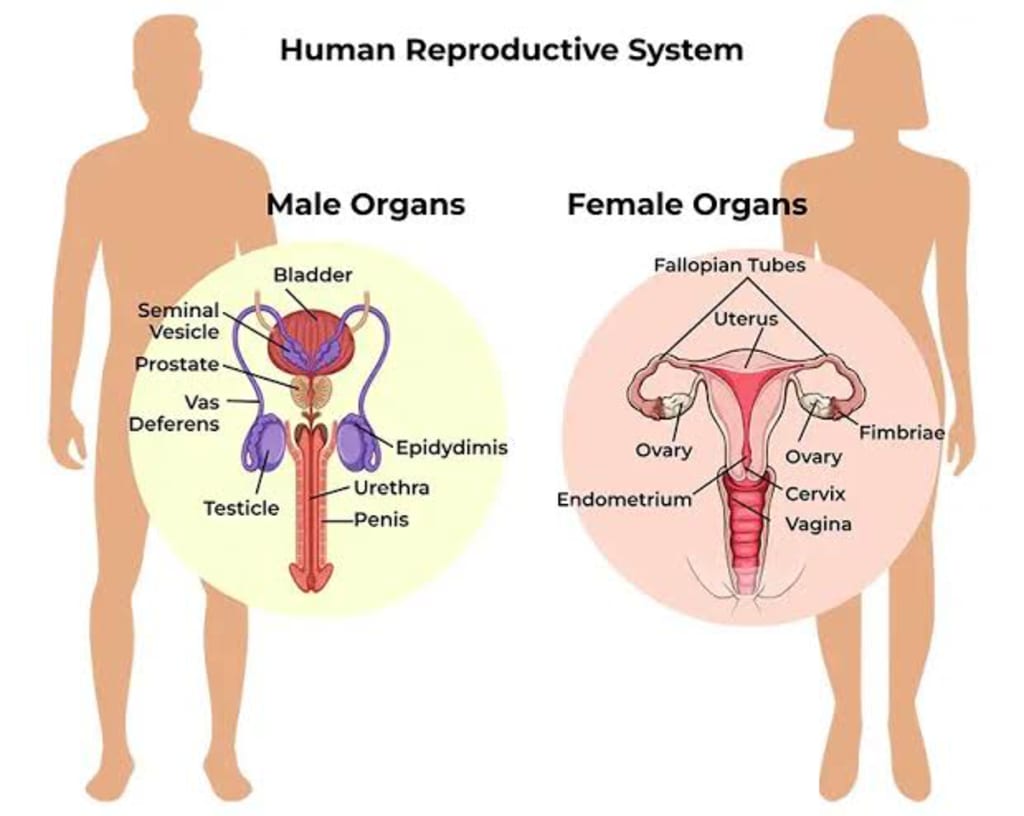
*The Human Reproductive System: Understanding the Miracle of Life*
The human reproductive system is a complex and intricate process that enables individuals to produce offspring, ensuring the continuation of the species. This remarkable system involves a multitude of organs, hormones, and processes that work in harmony to facilitate reproduction. In this article, we will explore the human reproductive system in detail, discussing its components, functions, and importance.
*The Male Reproductive System*
The male reproductive system is responsible for producing, storing, and transporting sperm, the male gametes. The primary organs involved in the male reproductive system are:
1. *Testes*: The testes, also known as testicles, are two oval-shaped glands located in the scrotum, a sac of skin and muscle that protects them. The testes produce sperm and testosterone, a hormone that regulates sperm production and maintains male characteristics.
2. *Epididymis*: The epididymis is a tube-like structure that stores sperm from the testes and provides a site for sperm maturation.
3. *Vas deferens*: The vas deferens is a muscular tube that transports sperm from the epididymis to the prostate gland.
4. *Prostate gland*: The prostate gland is a walnut-sized gland located below the bladder that produces fluids that nourish sperm and facilitate their transportation.
5. *Urethra*: The urethra is a muscular tube that carries sperm and urine out of the body.
*The Female Reproductive System*
The female reproductive system is responsible for producing eggs, supporting fetal development, and giving birth. The primary organs involved in the female reproductive system are:
1. *Ovaries*: The ovaries are two oval-shaped glands located in the pelvis that produce eggs and hormones, such as estrogen and progesterone.
2. *Fallopian tubes*: The fallopian tubes are two narrow tubes that connect the ovaries to the uterus, providing a pathway for eggs to travel from the ovaries to the uterus.
3. *Uterus*: The uterus is a muscular organ that supports fetal development during pregnancy.
4. *Cervix*: The cervix is the lower part of the uterus that opens into the vagina.
5. *Vagina*: The vagina is a muscular tube that serves as the birth canal and provides a pathway for menstrual flow.
*The Process of Reproduction*
The process of reproduction involves several complex steps:
1. *Gamete formation*: Sperm and eggs are produced through a process called gametogenesis.
2. *Fertilization*: Sperm fertilize eggs in the fallopian tubes, resulting in the formation of a zygote.
3. *Implantation*: The zygote implants itself in the uterine lining, establishing a connection with the mother's bloodstream.
4. *Pregnancy*: The fertilized egg develops into a fetus, receiving nutrients and oxygen from the mother's bloodstream.
5. *Childbirth*: The baby is born through the birth canal.
*Hormonal Regulation*
The reproductive system is regulated by a complex interplay of hormones, including:
1. *Testosterone*: Testosterone regulates sperm production and maintains male characteristics.
2. *Estrogen*: Estrogen regulates egg production and maintains female characteristics.
3. *Progesterone*: Progesterone prepares the uterus for implantation and supports fetal development.
*Importance of the Reproductive System*
The reproductive system plays a vital role in the continuation of the human species. Understanding the intricacies of the reproductive system is essential for:
1. *Family planning*: Knowledge of the reproductive system enables individuals to make informed decisions about family planning and contraception.
2. *Reproductive health*: Understanding the reproductive system helps individuals maintain reproductive health and address issues related to infertility.
3. *Pregnancy and childbirth*: Knowledge of the reproductive system is crucial for a healthy pregnancy and childbirth.
*Common Issues Related to the Reproductive System*
1. *Infertility*: Infertility is a common issue that affects many couples. Understanding the causes of infertility and seeking medical attention can help individuals overcome this challenge.
2. *Reproductive health issues*: Issues such as menstrual irregularities, polycystic ovary syndrome (PCOS), and erectile dysfunction can be addressed through medical attention and lifestyle changes.
3. *Sexually transmitted infections (STIs)*: STIs can have serious consequences for reproductive health. Practicing safe sex and getting regular check-ups can help prevent STIs.
*Maintaining Reproductive Health*
Maintaining reproductive health is essential for overall well-being. Here are some tips for maintaining reproductive health:
1. *Practice safe sex*: Using condoms and other forms of contraception can help prevent STIs and unintended pregnancy.
2. *Get regular check-ups*: Regular check-ups with a healthcare provider can help identify reproductive health issues early on.
3. *Maintain a healthy lifestyle*: Eating a balanced diet, exercising regularly, and managing stress can help support reproductive health.
About the Creator
Keep reading
More stories from Muhib Ullah and writers in Families and other communities.
How Much Is Too Much?
In today’s digital-first world, screens are everywhere — from TVs and tablets to smartphones and laptops. For children growing up in the 21st century, screen time is almost unavoidable. But as technology becomes more embedded in daily life, a critical question arises for parents and caregivers: How much screen time is too much? And how can we ensure a healthy balance between digital engagement and real-world play?
By Muhib Ullah 8 months ago in Families
Carlton Jama Adams: Building Stronger Families Through Healthy Parenting Strategies
Professor Carlton Jama Adams is a licensed clinical psychologist and a professor of psychology who has dedicated much of his professional life to understanding how families grow, communicate, and overcome challenges together. His work focuses on healthy parenting strategies and the ways in which emotional awareness can strengthen relationships within the home. As an educator, he teaches courses on masculinities, human services and community justice, Africana intellectual thought, and the psychology of oppression and liberation. He has also worked extensively with individuals involved in the criminal justice system and has consulted with international, national, and community based organizations on leadership strategy and executive coaching. Through both his teaching and consulting work, Carlton Jama Adams has developed a perspective on family life that highlights the importance of communication, emotional safety, and consistent guidance in raising resilient children.
By Carlton Adams3 days ago in Families




Comments
There are no comments for this story
Be the first to respond and start the conversation.