
The House on Jasmine Street
How One Abandoned Home Rekindled My Faith in Community

2010
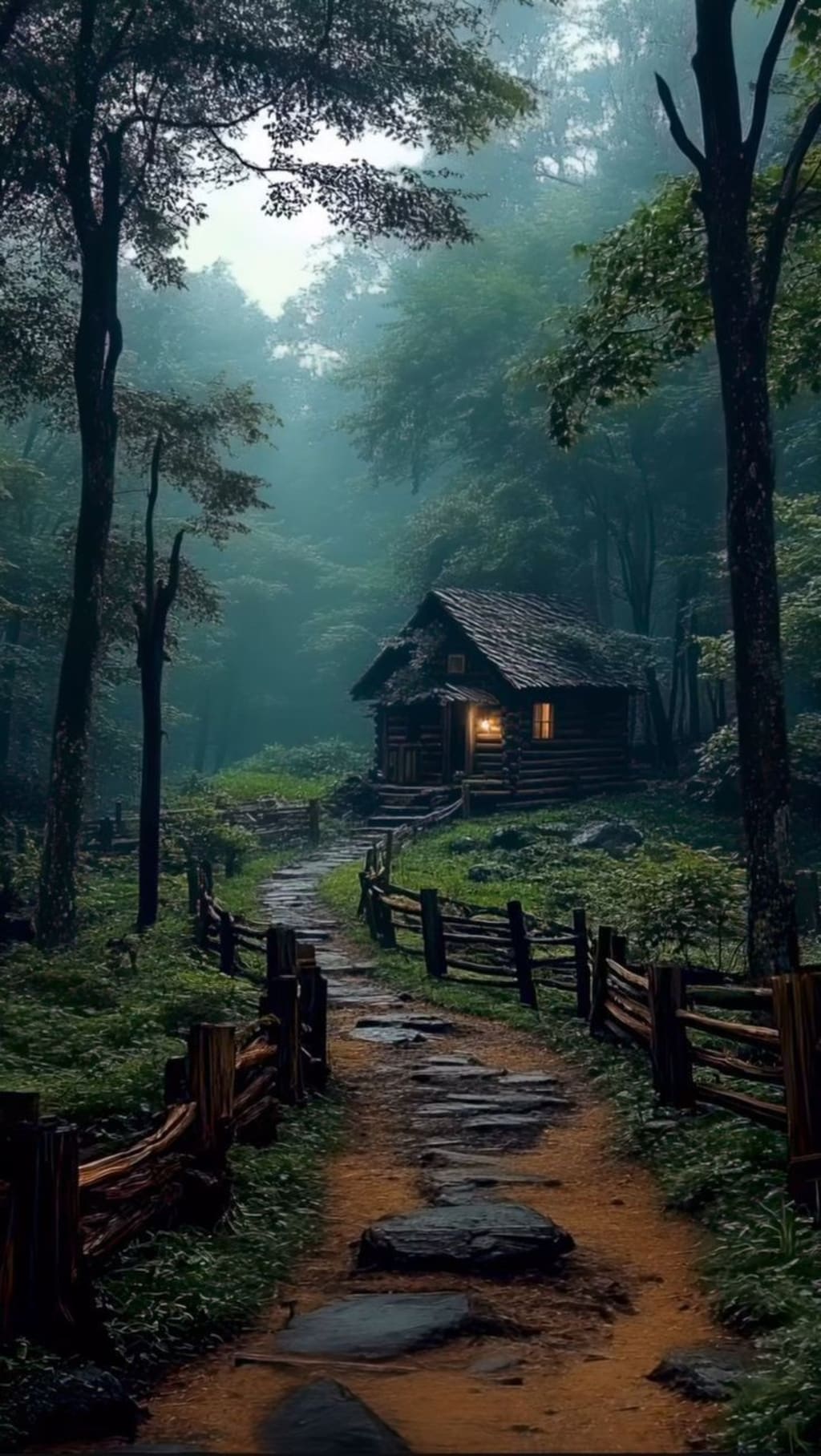
There was a house on Jasmine Street that nobody touched. Peeling paint, rusted mailbox, overgrown hedges—it stood like a secret in plain sight. Rumor was, an old woman had lived there alone until she passed away, and since then, the house had belonged to no one.
I walked past it every day on my way to school, sometimes daring myself to peek through the dusty windows. I never saw anything but shadows and silence.
2017
Years passed. I moved away, studied, tried to grow into someone who belonged in city apartments and coffee shops with exposed brick walls. But when life pressed in too hard—when rent doubled and friendships grew thin—I found myself back in my hometown, walking those familiar sidewalks again.
And there it was: the house. Still untouched. Still waiting.
But now, a For Sale sign staked in the lawn.
I wasn’t looking to buy anything. I barely had enough savings to cover my car repairs. But I couldn’t stop thinking about it—what if that house wasn’t just empty, but waiting? What if I could make it something again?
2018
Against all logic, I put in an offer. It was the cheapest property on the market, with structural issues and no working plumbing. But it was mine.
I spent that winter bundled in three layers of sweaters, scraping wallpaper and tearing up carpet that smelled like old rain. The first night I slept there, I heard mice in the walls and cried from exhaustion. I felt like I had made a terrible mistake.
But something about the house—its quiet dignity, its stillness—kept me from giving up.
2019
Neighbors started stopping by. An old man brought over a box of tools. A woman across the street baked me banana bread. A teenager offered to mow the lawn for free “just to see it look nice again.”
They all had stories about the house. They remembered the woman who lived there, the garden she once grew, the parties she used to throw on the porch before her health faded. Each visitor gave me a piece of her history.
I wasn’t just rebuilding walls. I was unearthing a memory that belonged to the whole block.
2020
The pandemic hit, and suddenly the quiet felt heavier. But the house gave me purpose. I painted. I planted. I built shelves and grew herbs on the windowsill. I left books and food outside for neighbors who couldn’t leave home.
We were all scared, isolated, uncertain. But from that fear bloomed connection.
One day, I chalked a message on the sidewalk outside the house: We’re still here. We’re still together.
The next day, someone added: Thank you for the light.
2022
I hosted my first community gathering in the yard. It was nothing fancy—just lemonade, music, and folding chairs. But people came. They brought cookies and guitars and folding tables.
We didn’t talk about the world falling apart. We just laughed. Shared. Remembered that we were never meant to live this life in isolation.
That night, I stood on the porch, looking out over the lawn filled with strangers-turned-friends, and thought: This house was never abandoned. It was waiting for us.
---
Epilogue;
They say walls can’t talk. But if you listen closely, some do. They hold echoes of stories untold, of people gone, of lives paused and waiting to begin again.
The house on Jasmine Street didn’t just give me shelter. It gave me a community, a purpose, and a reason to believe in small, slow miracles.
Sometimes, the homes we save end up saving us.
---
About the Creator
Hottest in the Office
Dear Rafi, You’re very distracting to work around. For the first second I saw you the other day, I thought you were some type of executive. It took a moment to realize no, you were just the new guy, dressed up for the job he wants. Be still, my heart.
By Gabriel Shames2 days ago in Pride




Comments
There are no comments for this story
Be the first to respond and start the conversation.