
The Heartbeat of the Village
Tales of Love, Loss, and the Land
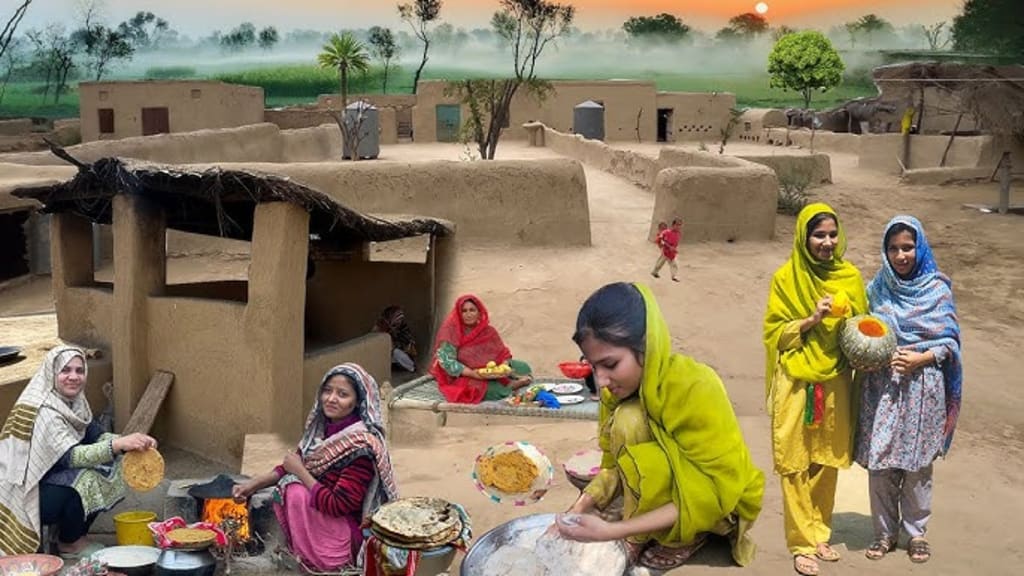
In the village of Suryanagar, the days stretched long, filled with the rhythms of nature. The earth was a living, breathing thing here, and so were the people. From the earliest rays of the sun until the last whisper of twilight, life moved to the beat of the land. It was a simple life, but a profound one, where every crop sown, every drop of rain that fell, and every breeze that stirred the fields carried stories of love, loss, and hope.
The village was surrounded by fields of golden wheat, lush green rice paddies, and groves of mango trees. The soil was rich with history, and it seemed to carry within it the echoes of generations past. Each time the villagers plowed the earth, they didn’t just prepare for the harvest—they honored the lives of their ancestors who had lived and worked the land before them.
One of the most beloved figures in Suryanagar was Maya, a woman whose spirit was as vibrant as the fields she tended. She had inherited her family’s small plot of land—a piece of fertile soil nestled between the river and the hills—and she cared for it with a fierce devotion. Maya had known both love and loss in her life, and it was the land that had taught her how to endure.
She had married Rajan, a kind-hearted man with a gentle smile and strong hands. Together, they had dreamed of growing their farm, of planting fields that would one day be passed down to their children. Rajan was the love of Maya’s life, and together, they built a home filled with warmth, laughter, and plans for the future.
But life, as it often does, threw them a curveball. One season, the rains didn’t come. The sky remained stubbornly clear, and the river that normally swelled during the monsoon season barely trickled. The crops withered, and the land that had once been a source of abundance turned dry and cracked. The village struggled, but none more so than Maya and Rajan. Their once-bountiful fields now lay barren, and their hopes, too, seemed to wither.
Rajan tried everything. He worked tirelessly, waking before dawn to dig trenches and irrigate the fields with whatever water they could find. But despite his best efforts, the crops refused to grow. One evening, as the sun sank low in the sky, Rajan sat beside Maya under the old banyan tree, the shade of which had provided them comfort during happier times.
“Maya,” he said, his voice heavy with weariness, “I fear this year’s harvest will be our last.”
Maya squeezed his hand. “We’ll survive, Rajan. We’ve always survived.”
But Rajan shook his head, the lines on his face deepening. “I don’t know, Maya. The land is tired. It doesn’t want to give anymore. And I’m afraid I won’t be enough.”
For the first time in their marriage, Maya saw doubt in Rajan’s eyes. It broke her heart.
The days turned into weeks, and the fields remained barren. The villagers were no strangers to hardship, but the weight of this drought seemed unbearable. The village had lost not only its crops, but its spirit as well. People whispered of leaving—of moving to the city where there was food, work, and hope. But Maya and Rajan couldn’t bring themselves to leave the land. This was their home, their heritage, and the thought of abandoning it was too painful to bear.
Then, just as they were about to give up, something unexpected happened. A storm, fierce and sudden, swept through the village one evening. It wasn’t the kind of storm they had prayed for—it was a violent one, the sky cracked open with thunder, and the rain fell in torrents. It seemed as though the heavens themselves had decided to punish the earth.
The next morning, the villagers emerged to find that much of the village had been flooded. The river, swollen with the rains, had burst its banks, flooding the fields and washing away homes. Maya and Rajan’s small farmhouse was destroyed, and their fields—what little was left of them—were completely submerged.
But through the chaos, through the sorrow of loss, there was something else that stirred deep within Maya’s heart. It wasn’t despair, nor was it resignation. It was the land calling out to her. The very earth she had nurtured, the soil that had been both her greatest love and her deepest sorrow, was alive once again.
In the days that followed, the villagers worked together to rebuild what had been lost. Maya and Rajan, though devastated, found strength in each other. They rebuilt their home by the river’s edge, and as the water receded, the land seemed to renew itself. The fields, once parched, began to show signs of life again. The rains had come late, but they had come.
As Maya walked through the fields, now lush and green with crops, she couldn’t help but feel a deep sense of gratitude. The storm had taken so much, but it had also given. The earth had been reborn, and so had she. In the midst of her grief, she had learned that love and loss were intertwined, much like the seasons themselves. One could not exist without the other.
Moral:
The land, like life itself, is a cycle of love, loss, and renewal. In our deepest sorrow, there is the potential for rebirth, and in every loss, there is a hidden gift that calls us to keep going, to rebuild, and to honor the bonds that tie us to the earth.
About the Creator
Keep reading
More stories from Amjad Khan and writers in Families and other communities.
Of Earth and Sky: The Life of a Village Girl
In the heart of rural India, where the land stretches far beyond the eye can see and the sky seems endless, lives a village girl whose life is intertwined with both earth and sky. Her world is shaped by the seasons, the soil, and the sun. The daily rhythm of her life is not dictated by clocks or alarms but by the rising sun, the singing birds, and the needs of the land that sustains her village. The story of this village girl is one of resilience, simplicity, and quiet strength—qualities that form the backbone of rural life.
By Amjad Khan9 months ago in Families
Wise~Guys
— Look Behind what's in Front of You ~ Make Good Choices — Hey, So how you Doin'..! Made~Men — Mobster Movies romanticise a distinctive, elegant appearance, impeccable attire style, along with the 'Families' expressive lingo. Making their 'Bones' gave them Panache — with vintage fedoras, tailored pin-striped suits, mirror-polished wing-tip shoes adorned with tassels; with their 'Gun Moll' gorgeous dates on their arms.
By Jay Kantor26 days ago in Families



Comments
There are no comments for this story
Be the first to respond and start the conversation.