
The Heart of a Healthy Society: Why Quality Child Care Matters
Understanding how child care shapes young minds, supports families, and strengthens communities.

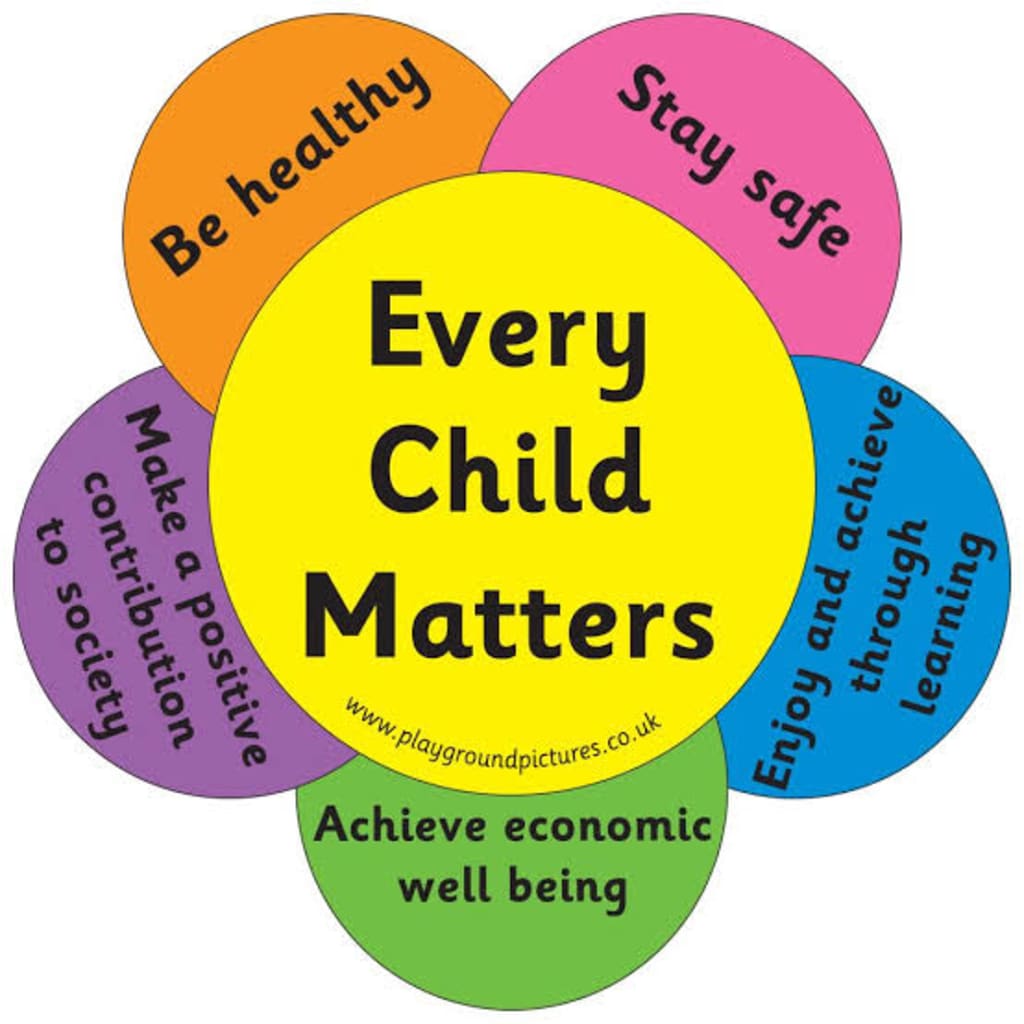
In every corner of the world, families rely on child care to support their children’s early learning and development. For many parents, it’s not just a service — it’s a lifeline. From daycare centers and preschools to family-based care, these environments shape the way children grow, learn, and connect with others. But beyond helping working parents, child care plays a powerful role in building a stronger, more compassionate society.
---
What Is Child Care?
At its simplest, child care refers to the supervision and nurturing of young children by adults other than their parents. This can take many forms — daycare centers, in-home nannies, family daycares, or preschool programs. While some families rely on relatives for informal care, others turn to licensed centers that follow educational and safety standards.
But child care isn’t just about keeping children safe while parents work. It’s about fostering growth. The first five years of a child’s life are crucial for brain development — during this time, they learn language, emotional regulation, and social skills that lay the foundation for their future success.
High-quality child care nurtures curiosity, independence, and empathy, giving children the tools they need to thrive both in school and beyond.
---
Why Quality Matters
Not all child care experiences are equal. Research consistently shows that high-quality child care can make a lasting difference in a child’s life, especially for those from disadvantaged backgrounds.
Here’s what sets quality programs apart:
Trained caregivers and educators: Staff who understand child development know how to engage children in meaningful ways.
Safe and stimulating environments: Bright, clean spaces with age-appropriate toys and activities encourage learning and exploration.
Low child-to-teacher ratios: More one-on-one attention helps each child feel seen and supported.
Emotional care: Teachers who show warmth and empathy create a sense of trust that boosts emotional well-being.
In contrast, poor-quality care can lead to stress, behavioral issues, and slower language development. The difference between the two isn’t just educational — it’s emotional and social.
---
The Role of Child Care in Working Families
In today’s fast-paced world, many families depend on two incomes to make ends meet. Reliable child care enables parents — especially mothers — to return to work or pursue education. This doesn’t just benefit individual households; it strengthens the economy as a whole.
When parents know their children are in safe, nurturing hands, they can focus on their jobs without constant worry. For single parents, child care can be the difference between maintaining stable employment and struggling to stay afloat.
Unfortunately, child care costs remain high in many countries. In the UK and the US, for instance, full-time care can cost more than rent or a mortgage payment. This financial pressure leaves many families feeling trapped — forced to choose between career growth and time at home.
Governments and communities are starting to recognize this challenge. Expanding affordable child care access isn’t just social policy — it’s smart economics.
---
Emotional and Social Benefits for Children
Children in quality care programs learn far more than their ABCs. They learn how to share, express feelings, resolve conflicts, and build friendships. These early interactions teach empathy, cooperation, and communication — skills that last a lifetime.
In addition, child care helps children adjust to structured routines, preparing them for school environments. It gives them confidence to explore the world outside their home, while still feeling supported by caring adults.
For children from diverse backgrounds, inclusive child care centers also promote understanding and respect. By interacting with peers from different cultures and abilities, kids grow up with a broader worldview.
---
The Human Side: Caregivers and Educators
Behind every great child care program are the caregivers and early educators who dedicate their lives to children’s growth. Their job is both rewarding and challenging — requiring patience, energy, and compassion.
Yet, despite their importance, many child care workers are underpaid and undervalued. The industry often struggles with high turnover rates, which can disrupt the stability that children need. Recognizing and supporting these professionals is essential to improving the quality of care overall.
Investing in caregiver training, fair wages, and emotional support helps create stronger, more sustainable programs. When caregivers feel valued, children benefit too.
---
The Future of Child Care
As the world changes, so do the needs of families. Remote work, flexible schedules, and rising living costs are reshaping how people view child care. New models — like employer-supported programs, community cooperatives, and hybrid home-schooling — are becoming more common.
Technology also plays a growing role, helping parents stay connected through apps that share daily updates, photos, and progress reports. Still, at its core, child care remains deeply human. No app can replace the warmth of a caregiver’s smile or the reassurance of a gentle hug.
The future of child care depends on society’s willingness to see it not as a luxury, but as an essential public good — one that shapes our future generations and reflects our shared values.
---
Final Thoughts
Child care is more than just supervision; it’s the foundation of learning, empathy, and social growth. When children are cared for in safe, loving environments, they flourish — and when parents have access to reliable, affordable care, they can thrive too.
Investing in child care means investing in our collective future. It supports parents, empowers educators, and gives children the start in life they deserve. Because when we care for our children well, we build a stronger, kinder, and more resilient world for everyone.
About the Creator
Fiaz Ahmed
I am Fiaz Ahmed. I am a passionate writer. I love covering trending topics and breaking news. With a sharp eye for what’s happening around the world, and crafts timely and engaging stories that keep readers informed and updated.
Keep reading
More stories from Fiaz Ahmed and writers in Families and other communities.
Paris Fury: The Woman Behind the Spotlight
Introduction: More Than a Celebrity Wife When people hear the name Paris Fury, many immediately think of her as the wife of boxing legend Tyson Fury. But Paris is far more than just a spouse to a famous athlete. She has carved out her own identity as a mother, influencer, author, and advocate. Over the years, she has captured public attention for her honesty, style, and dedication to her family, all while supporting her husband’s demanding career.
By Fiaz Ahmed 3 months ago in Families
Wise~Guys
— Look Behind what's in Front of You ~ Make Good Choices — Hey, So how you Doin'..! Made~Men — Mobster Movies romanticise a distinctive, elegant appearance, impeccable attire style, along with the 'Families' expressive lingo. Making their 'Bones' gave them Panache — with vintage fedoras, tailored pin-striped suits, mirror-polished wing-tip shoes adorned with tassels; with their 'Gun Moll' gorgeous dates on their arms.
By Jay Kantor19 days ago in Families
Wild Card Weekend Recap: What Happens Now?
I think I figured out why I love Wild Card Weekend so much. It's because it's the first playoff anything of the calendar year. The NFL season starts in the fall, and once upon a time, the champion was crowned either on or slightly before New Year's. The evolution of the NFL schedule has resulted in the playoffs starting just into the New Year, and currently, the final week of the season falls on the first weekend of the New Year, with Wild Card Weekend coming a week after that. So yes, chronologically, the NFL's Wild Card Weekend serves as the first playoff anything of the calendar year.
By Clyde E. Dawkins7 days ago in Unbalanced




Comments
There are no comments for this story
Be the first to respond and start the conversation.