
The Great Fluoride Debate: Do Dentists Ever Recommend Going Fluoride-Free?
Do Dentists Recommend Fluoride Free Toothpaste?
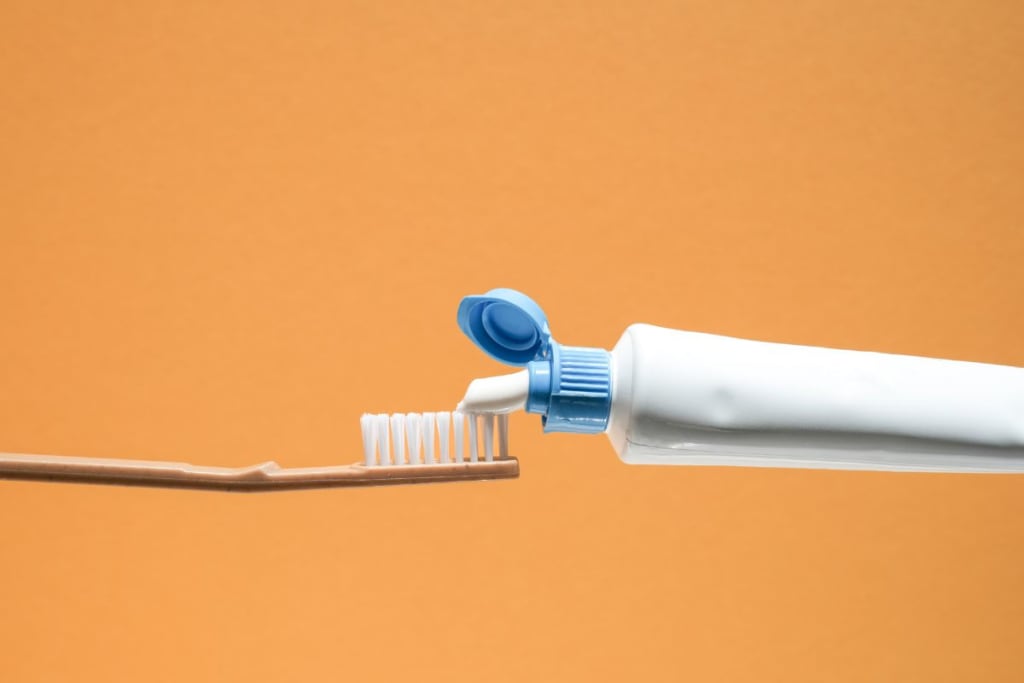
When it comes to toothpaste, the overwhelming consensus among dental professionals has been clear for decades: fluoride is your smile's best friend. This naturally occurring mineral has been proven time and again to strengthen tooth enamel, making it more resistant to acid attacks caused by bacteria and sugars, the primary culprits behind tooth decay. Walk down any dental aisle, and you'll be met with a vast array of fluoride-containing toothpastes, all promising to protect your pearly whites.
However, in recent years, a growing interest in "natural" and "fluoride-free" dental products has emerged. Driven by concerns about potential overexposure to fluoride and a desire for more holistic approaches, some individuals are seeking alternatives. This naturally leads to the question:
Do dentists ever actually recommend fluoride-free toothpaste?
The short answer, and the one that aligns with the vast majority of evidence-based dentistry, is rarely, and with significant caveats. While there might be very specific and unusual circumstances where a dentist might suggest a temporary or alternative approach, fluoride remains the gold standard for preventing cavities and maintaining strong teeth for the general population.
Let's delve deeper into why this is the case and explore the limited situations where a dentist might consider a fluoride-free option:
The Unquestionable Benefits of Fluoride:
Before exploring alternatives, it's crucial to reiterate the well-established benefits of fluoride:
Strengthens Enamel: Fluoride integrates into the tooth enamel, forming fluorapatite, a harder and more acid-resistant substance. This makes teeth less susceptible to decay.
Remineralization: In the early stages of tooth decay, fluoride can help to remineralize weakened enamel, essentially reversing the damage before a cavity forms.
Inhibits Bacterial Growth: Fluoride can interfere with the metabolism of oral bacteria, reducing their ability to produce acid.
Decades of research and widespread use have consistently demonstrated the safety and effectiveness of fluoride in preventing tooth decay, leading to significant improvements in oral health globally.
Why the Rise of Fluoride-Free Options?
Despite the overwhelming scientific support for fluoride, several factors contribute to the popularity of fluoride-free toothpaste:
Concerns about Fluorosis: Fluorosis is a cosmetic condition that can occur when young children (typically under the age of eight) ingest excessive amounts of fluoride during tooth development. This can result in white or discolored spots on the enamel. However, this is usually due to swallowing toothpaste or consuming fluoridated water above recommended levels, not from using an age-appropriate amount of fluoride toothpaste.
Desire for "Natural" Products: Many consumers are drawn to products marketed as natural, organic, or free from artificial ingredients, extending this preference to oral care.
Misinformation and Fear: The internet can be a breeding ground for misinformation, and some sources promote unfounded fears about fluoride's safety.
Specific Sensitivities (Rare): In extremely rare cases, individuals might have a genuine sensitivity to an ingredient in fluoride toothpaste, although the fluoride itself is rarely the culprit.
The Exceptionally Rare Cases for Fluoride-Free Recommendations:
While the general recommendation remains firmly in favor of fluoride toothpaste, there are a few highly specific and uncommon situations where a dentist might consider a fluoride-free alternative:
Very Young Infants (Before Tooth Eruption): For infants before their teeth erupt, the need for fluoride toothpaste is non-existent. Gentle gum cleaning with a soft cloth or a non-fluoridated infant toothbrush is sufficient. Once the first tooth appears, a smear of fluoride toothpaste (about the size of a grain of rice) is recommended.
Specific Allergies (to Other Ingredients): If a patient has a confirmed allergy to a specific ingredient other than fluoride in a standard toothpaste, a fluoride-free option might be considered as a temporary measure while identifying a suitable fluoride-containing alternative without the allergen.
Prescribed High-Fluoride Treatments: In some cases where patients are using prescription-strength fluoride gels or varnishes under strict dental guidance, their dentist might temporarily suggest a lower-fluoride or fluoride-free toothpaste to avoid potential overexposure if there are specific concerns. This is a highly individualized decision.
Geographical Areas with Exceptionally High Natural Fluoride Levels in Water: In very rare areas where the natural fluoride concentration in drinking water is excessively high and poses a risk of fluorosis even in older children and adults, a dentist might advise using a lower-fluoride toothpaste. However, this is uncommon in developed countries with regulated water fluoridation levels.
The Risks of Choosing Fluoride-Free Without Dental Advice:
For the vast majority of individuals, choosing a fluoride-free toothpaste without a specific recommendation from a dentist can significantly increase the risk of tooth decay. These toothpastes often rely on alternative ingredients that lack the robust scientific evidence supporting fluoride's effectiveness in strengthening enamel and preventing cavities. While some ingredients might offer mild benefits like plaque removal, they do not provide the crucial protection against acid erosion.
The Importance of Professional Guidance:
The best approach to oral hygiene, including the choice of toothpaste, should always involve consultation with your dentist. They can assess your individual risk factors for tooth decay, consider any specific concerns you might have, and recommend the most appropriate products for your needs. If you are considering switching to a fluoride-free toothpaste, it is crucial to discuss this with your dentist first to ensure you are not compromising your oral health.
In conclusion, while the allure of fluoride-free alternatives might be strong for some, the overwhelming scientific evidence and the consensus of the dental profession firmly support the use of fluoride toothpaste for preventing tooth decay. Dentists rarely recommend fluoride-free options, and when they do, it is typically under very specific and unusual circumstances. For the vast majority, fluoride remains an indispensable ingredient for a healthy and cavity-free smile. Always prioritize evidence-based recommendations and consult your dentist before making changes to your oral hygiene routine.
About the Creator
Aspire Dental Henderson, Nevada
Aspire Dental (Henderson, NV): Gentle, high-tech dental care for healthy, beautiful smiles. Cosmetic & restorative services tailored to your needs.
Keep reading
More stories from writers in Families and other communities.
Wise~Guys
— Look Behind what's in Front of You ~ Make Good Choices — Hey, So how you Doin'..! Made~Men — Mobster Movies romanticise a distinctive, elegant appearance, impeccable attire style, along with the 'Families' expressive lingo. Making their 'Bones' gave them Panache — with vintage fedoras, tailored pin-striped suits, mirror-polished wing-tip shoes adorned with tassels; with their 'Gun Moll' gorgeous dates on their arms.
By Jay Kantor23 days ago in Families
The Foolish Wife
The Foolish Wife A farmer knew that his wife was not very intelligent, so he believed that arguing with her was useless. A poor farmer lived in a village. He worked in his fields all day and earned just enough to manage two meals a day. He himself was simple and honest, but the wife he had married was extremely foolish. Their marriage was still new. One morning, before leaving for the fields, the farmer said to his wife, “I will be plowing all day and will be very tired and hungry. Please cook a good meal for me by the time I return, and also bring a glass of vinegar that I bought last year.”
By Sudais Zakwana day ago in Families
🅼🅸🅳🅽🅸🅶🅷🆃 🆂🅽🅰🅲🅺🆂
"It's 10 in Tuscon! We all know what that means... It's Time for Midnight Snacks with your man, Gerald Gee! Ready to spend the night together? Me too! I'm full of snacks and can't wait to regurgitate them all back into your hungry ears. Crack a brew! Pop some corn! Anything to get ready for one hell of a show where the talk maybe cheap but the words cut deep...
By Lamar Wigginsabout 23 hours ago in Fiction




Comments
There are no comments for this story
Be the first to respond and start the conversation.