
The First School of a Child: Lessons Begin at Home
Why children learn more from their parents’ actions than from any classroom.

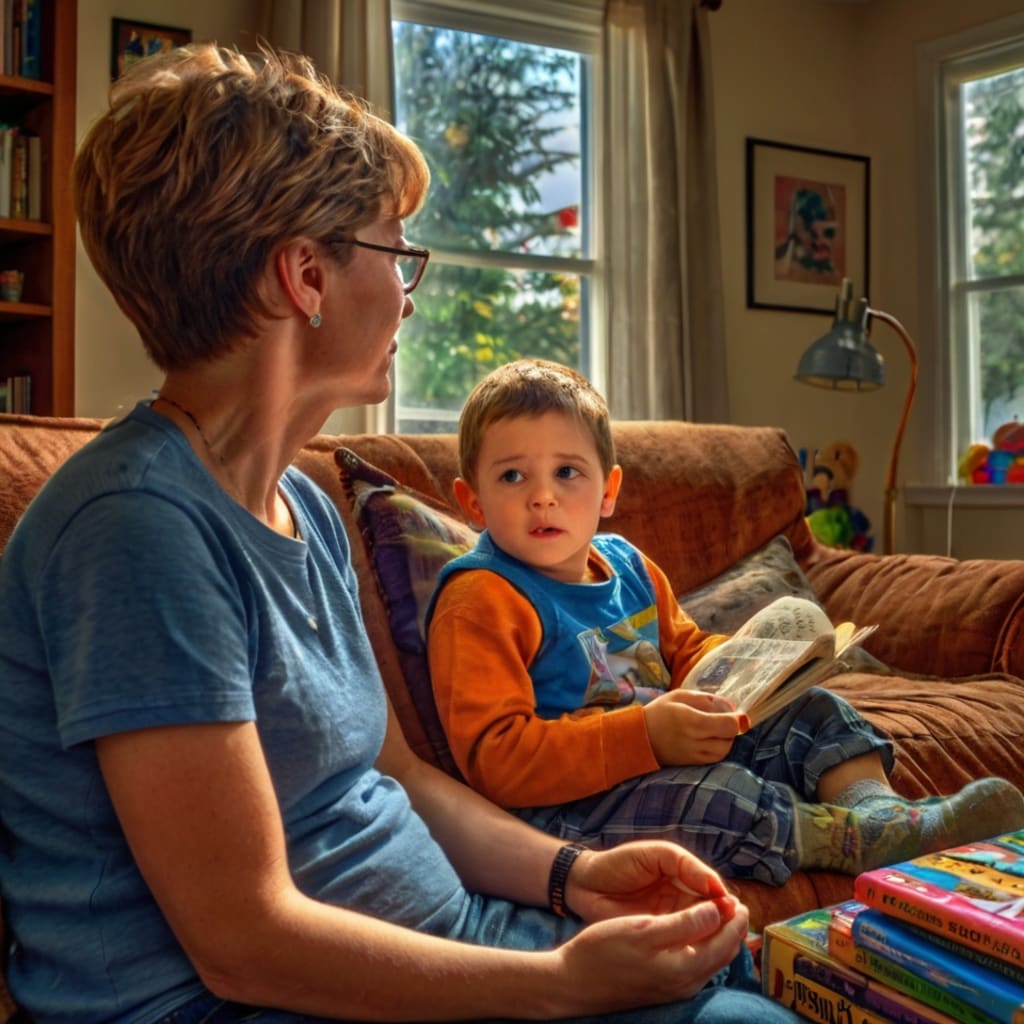
The First School of a Child: The Home Environment
BY:Khan
A child’s very first school is always the home. When a baby is born, their mind is like a blank sheet of paper. Parents are the ones who color that paper. If they paint it with honesty, kindness, and love, the child’s personality will flourish beautifully. But if they fill it with dark and negative strokes, the same flaws will reflect in the child’s character.
Some parents believe that sending their children to expensive schools is enough for good upbringing. Yet, the truth is that children learn far more from their home environment than from classrooms. The behavior of parents — what they say and what they actually do — leaves an everlasting imprint. If a parent warns their child never to lie but is seen lying themselves, the child becomes confused. Who should they believe? The words, or the actions?
The Shadow of Deprivation
There are also children who grow up in broken families. When parents separate or remarry, the child often finds themselves torn between two worlds. At the father’s house, the mother isn’t truly theirs. At the mother’s house, the father is missing. Many such children end up living with grandparents or in boarding schools, carrying an unspoken emptiness inside them. Parents may take them to counselors or psychologists, but the deep scars of emotional deprivation are not easy to heal.
The Impact of Joint Family Systems
In South Asian societies, joint family systems are still common. They have their blessings: children receive love from many elders. But there are downsides as well — every relative tries to teach the child in their own way. As a result, the child is often caught between conflicting voices and grows into a confused personality.
To explain this reality, let me share a true incident told by a mother.
A Mother’s Struggle
This woman lived in a joint household with her mother-in-law and sisters-in-law. She longed to raise her children with strong Islamic values — to instill in them an understanding of right and wrong, and the importance of staying away from sin.
One day, she noticed her little son secretly slipping ten rupees from the drawer into his school bag. The next day, he tried again, and this time she caught him red-handed. The child was still very young, too small to truly grasp the concept of sin, but the mother believed values should be taught early.
She gently stopped him and said:
“Son, you must never take money without asking. Always come to Mama first. Taking things secretly makes Allah unhappy. It is a sin.”
The boy looked at her with wide, innocent eyes and asked:
“Mama, what is a sin?”
She explained softly:
“A sin is when we do something wrong — like lying, or taking money without permission. If you had asked me, I would have gladly given it to you. But taking it in secret is wrong. Allah doesn’t like that.”
The child promised never to take money secretly again. But then he ran straight into his aunt’s room and told her the entire story. In his innocent voice he said:
“Auntie, if I take money without asking, Allah will punish me and send me to Hell.”
The aunt, amused, hugged him and replied:
“Oh, my dear, your mother is too strict. These are your father’s earnings. What’s so sinful about using them? Allah won’t punish innocent children. You don’t need to worry.”
Now the little boy was utterly confused. One voice said “It’s a sin,” while the other dismissed it as harmless. Whom should he believe?
That evening, he came back to his mother and, in a strangely defiant tone, said:
“Mama, you scare me too much. Auntie says Allah won’t punish children. Why do you keep talking about sins and punishment?”
The mother, heartbroken, held her head in her hands. She realized how much contradiction in the home environment was damaging her child’s sense of right and wrong.
A Battle of Persistence
Despite her frustration, the mother did not give up. She continued to gently teach her son about good and bad, even though he often challenged her with questions inspired by his aunt. She knew the road was not easy, but she believed that if she remained patient and consistent, goodness would eventually outweigh confusion.
The Lesson
This story reflects a reality many families face. Whether in a joint family or a nuclear household, children are deeply influenced by their surroundings. In joint families, too many voices often confuse a child. In nuclear families, loneliness and lack of extended support create different struggles.
But in all cases, one truth remains: children are like blank sheets of paper. Parents, through their patience, consistency, and example, decide what colors will be painted on that sheet. Will it be bright shades of truth, compassion, and faith? Or dark strokes of contradiction and carelessness?
The answer lies in the hands of parents — in the choices they make every day.




Comments
There are no comments for this story
Be the first to respond and start the conversation.