
The Essential Role of Architectural and Structural Engineering in Contemporary Construction
Understanding the Synergy Between Design and Stability
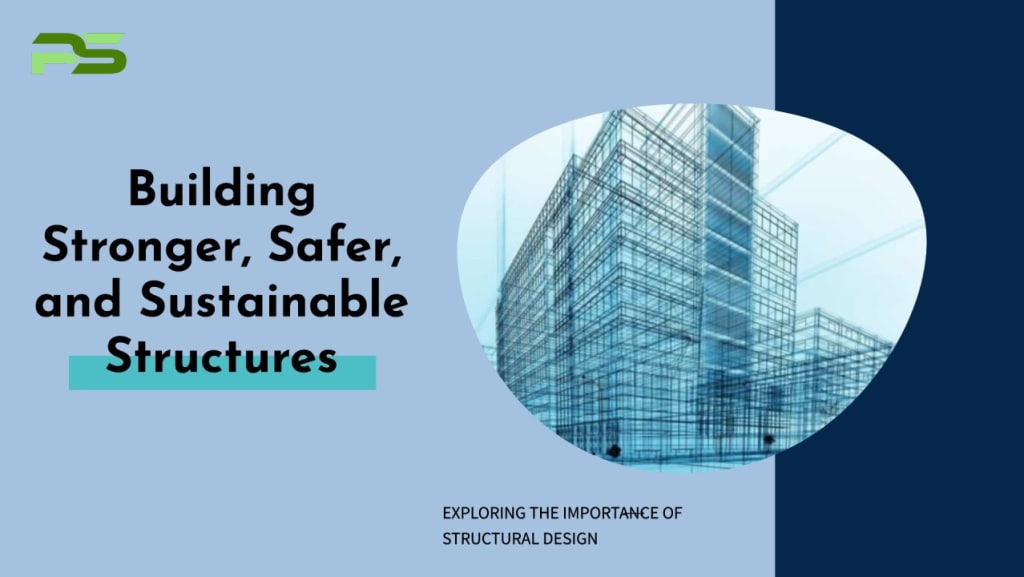
Architectural and structural engineering are two critical disciplines that shape the environments in which we live and work. These fields intertwine to create buildings that are not only visually appealing but also safe and functional. As urban areas expand and evolve, understanding the importance of these engineering practices has become increasingly vital for architects, builders, and property owners alike.
At its core, architectural engineering focuses on the design and functionality of buildings. It ensures that structures meet specific performance criteria while also adhering to aesthetic considerations. Architectural engineers play a crucial role in translating the vision of architects into practical solutions, striking a balance between form and function.
One of the primary responsibilities of architectural engineers is to collaborate with architects during the design phase of a project. This collaboration is essential for ensuring that the final product aligns with both the client’s wishes and the necessary regulatory requirements. By bringing their expertise to the table, architectural engineers help identify potential challenges early in the process, thus reducing the likelihood of costly alterations down the line.
Sustainability is another significant consideration within architectural engineering. In today's world, there is a growing emphasis on environmentally friendly practices, and architectural engineers are at the forefront of integrating sustainable materials and methods into their designs. They consider factors such as energy efficiency, waste reduction, and the use of renewable resources, all of which contribute to a building's overall sustainability.
The advent of technology has also revolutionised the architectural engineering landscape. Building Information Modelling (BIM) has emerged as a powerful tool that allows for detailed digital modelling of structures. This technology facilitates communication and collaboration among stakeholders, optimising project delivery and minimising errors. Through BIM, architectural engineers can create comprehensive simulations that account for various factors, including structural integrity, material performance, and energy consumption.
On the other hand, structural engineering specifically addresses the stability and durability of a structure. Structural engineers are tasked with ensuring that buildings can withstand various loads and stresses throughout their lifespan. They perform rigorous analyses to evaluate how structures respond to live loads (such as occupants and furniture) and dead loads (the weight of the structure itself). Understanding these loads is crucial for designing buildings that are safe and resilient.
Material selection is a vital aspect of structural engineering. Engineers must choose materials that offer the necessary strength and durability while also considering sustainability. Common materials include concrete, steel, and timber, each of which has its unique properties and applications. The ability to evaluate the best material for a given situation is a critical skill for structural engineers, as it directly impacts the longevity and safety of a structure.
Safety assessments are another fundamental responsibility of structural engineers. They conduct thorough inspections to ensure that buildings comply with safety regulations and can withstand natural disasters, such as earthquakes or floods. This proactive approach to safety helps prevent accidents and protects both the occupants of a building and the integrity of the structure itself.
While architectural and structural engineering serve distinct purposes, their collaboration is essential for successful construction projects. The interplay between aesthetics and functionality often presents challenges that require innovative solutions. For example, an architect may design a striking façade that poses structural difficulties. In such cases, structural engineers must work closely with the design team to find a solution that maintains the intended appearance while ensuring safety and stability.
Effective communication is crucial in this collaborative process. Regular meetings and updates help ensure that all stakeholders are on the same page, minimising the risk of misunderstandings that could lead to costly errors. Additionally, as new technologies emerge, both fields must adapt and stay informed about the latest tools and techniques. Continuous learning and adaptation are necessary to remain competitive in an ever-evolving industry.
As urbanisation continues to accelerate, the demand for innovative architectural and structural engineering solutions grows. This presents a unique opportunity for professionals in the field to push boundaries and explore new possibilities. From smart buildings that optimise energy usage to sustainable materials that reduce environmental impact, the future of construction is filled with potential.
Looking ahead, the role of architectural and structural engineering will likely expand further, encompassing even more interdisciplinary approaches. The integration of disciplines such as environmental science, urban planning, and even artificial intelligence will shape the way buildings are designed and constructed. These developments may lead to new standards for safety, sustainability, and efficiency, ultimately enhancing the quality of life for inhabitants.
Finally, architectural and structural engineering are integral to the creation of safe, functional, and aesthetically pleasing buildings. These fields work in tandem to ensure that structures meet the needs of their occupants while also considering the broader environmental impact. As society continues to evolve, the importance of these engineering practices will only grow, making it essential for professionals to embrace innovation and collaboration. The future of construction holds tremendous promise, and by understanding the significance of these disciplines, we can continue to build a better world with a focus on practical solutions, much like those offered by Plansing.
About the Creator
Keep reading
More stories from writers in Families and other communities.
Wise~Guys
— Look Behind what's in Front of You ~ Make Good Choices — Hey, So how you Doin'..! Made~Men — Mobster Movies romanticise a distinctive, elegant appearance, impeccable attire style, along with the 'Families' expressive lingo. Making their 'Bones' gave them Panache — with vintage fedoras, tailored pin-striped suits, mirror-polished wing-tip shoes adorned with tassels; with their 'Gun Moll' gorgeous dates on their arms.
By Jay Kantor26 days ago in Families
🅼🅸🅳🅽🅸🅶🅷🆃 🆂🅽🅰🅲🅺🆂
"It's 10 in Tuscon! We all know what that means... It's Time for Midnight Snacks with your man, Gerald Gee! Ready to spend the night together? Me too! I'm full of snacks and can't wait to regurgitate them all back into your hungry ears. Crack a brew! Pop some corn! Anything to get ready for one hell of a show where the talk maybe cheap but the words cut deep...
By Lamar Wiggins5 days ago in Fiction



Comments
There are no comments for this story
Be the first to respond and start the conversation.