
📱 The Dark Side of Social Media: What Every Kid Should Know
The hidden cost of Likes, Scrolls, and Posts!

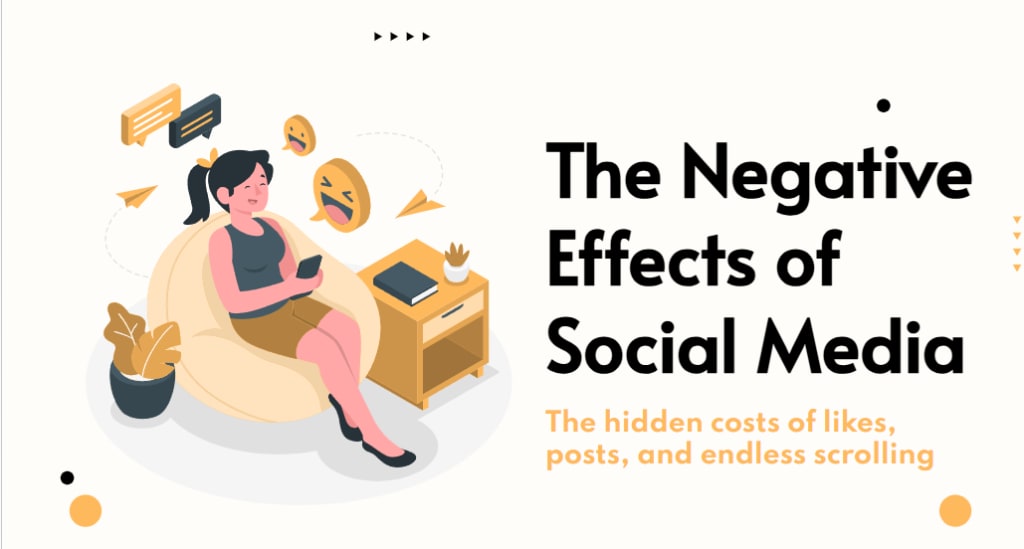
📱 The Dark Side of Social Media: What Every Kid Should Know
Social media can be so much fun. We get to scroll through funny videos, post pictures of our adventures, and chat with our friends. But if you’ve ever felt tired, left out, or just not good enough after spending time online, you're not alone.
Social media has become such a big part of our lives, but many of us don’t realize how much it can actually impact us. Even though it seems harmless, too much time on social media can seriously affect our mood, our mental health, our sleep, and even how we see ourselves. This article will help you understand why it’s important to recognize the dark side of social media and how we can take control of our time online.
😰 1. Social Media and Mental Health
Spending a lot of time on social media can hurt our mental health. Why? Because social media often shows us the best parts of people's lives. Everyone seems happy, perfect, and successful. But here’s the catch — most of what we see is edited or filtered. It’s not the full picture.
When we compare ourselves to these "perfect" online versions of people, we can start feeling like we're not good enough. We may feel like we don't look as good, don’t have as many friends, or aren’t as successful. This can make us feel sad, anxious, or just unimportant. But the truth is, everyone faces struggles, even if they don’t show it on their social media profiles. So, it’s important to remember that what we see online isn’t always real, and we shouldn’t measure our worth by it.
💤 2. Social Media Steals Our Time and Sleep
Have you ever said, “just five more minutes,” only for those five minutes to turn into hours of scrolling? Social media is designed to keep us hooked. It’s full of notifications, new posts, and endless content that can make it hard to stop.
But that constant scrolling takes away time we could be using for other things — like doing homework, reading, or spending time with our family. Even worse, it can steal our sleep. If we’re looking at our phones right before bed, the blue light from the screen tricks our brain into thinking it’s still daytime, which makes it harder for us to fall asleep. Less sleep means we wake up tired, cranky, and unable to focus in school. Getting enough rest is so important for our health, so setting time limits on social media can help us get back on track.
💬 3. Online Bullying: A Real Problem
Social media isn’t always a safe space. Some people hide behind their screens and say mean things to others that they would never say in person. This is known as cyberbullying.
Cyberbullying is a real problem that affects many kids and teens. Whether it’s nasty comments, hurtful messages, or spreading rumors, being bullied online can feel just as bad as being bullied in person. And if you’re not personally being bullied, just reading hurtful or negative comments can still make you feel upset or anxious. That’s why it's important to talk to someone if you’re feeling bullied online and to report harmful behavior to the platform you’re using.
🔐 4. The Dangers of Sharing Too Much
A lot of kids don’t realize how much personal information they’re sharing online. Things like where they go to school, their favorite places, or even where they live. Sharing all this info might seem harmless, but it can actually be dangerous.
Strangers can use this information in bad ways. They might try to contact you, trick you, or even steal your identity. That’s why it’s crucial to keep your personal information safe and never share anything too private. Always use privacy settings on your accounts, and make sure you’re only sharing what you’re comfortable with.
🧠 5. Social Media and How It Affects Our Thinking
Social media can change the way we think and feel. It’s designed to grab our attention and keep us hooked on likes, comments, and notifications. This constant need for validation from others can make us feel like we need approval from strangers to feel good about ourselves. This is where things can get tricky.
We start relying on likes and follows to measure our self-worth. But true confidence doesn’t come from how many people “like” our posts. Real confidence comes from knowing who we are and feeling good about ourselves without needing constant approval from others.
🌟 What Can We Do About It?
Here are a few things you can start doing today to take control of your screen time:
Set a time limit for social media. Whether it’s one or two hours per day, it’s a good way to make sure you don’t spend all day on your phone.
Take regular breaks from screens. Step outside, read a book, or talk to someone face-to-face. Real-life interactions are so much more fulfilling.
Unfollow accounts that make you feel bad about yourself or bring negativity into your life. Follow accounts that make you feel inspired or uplifted.
Turn off notifications or set "Do Not Disturb" hours to avoid being distracted all the time.
Talk to your parents or guardians if you’re feeling overwhelmed by social media. They can help you set healthy limits and even encourage you to spend more time doing things you love offline.
💬 Final Thought
Social media isn’t all bad — but like anything, too much of it can have negative effects on our lives. The more we understand the impact it has on our mental health, time, and self-esteem, the better we can use it in a healthier way. So let’s start today, right now, by setting healthy boundaries and focusing on what really matters — our real-life experiences, friendships, and happiness.
Remember, real life doesn’t need a filter. And neither do you.
About the Creator
Evan S
I’m Evan, a young writer and presenter who teaches kids, teens, and parents about the negative effects of social media. I’ve led in-person talks and webinars that share tips on setting screen limits and building healthier habits!
Wise~Guys
— Look Behind what's in Front of You ~ Make Good Choices — Hey, So how you Doin'..! Made~Men — Mobster Movies romanticise a distinctive, elegant appearance, impeccable attire style, along with the 'Families' expressive lingo. Making their 'Bones' gave them Panache — with vintage fedoras, tailored pin-striped suits, mirror-polished wing-tip shoes adorned with tassels; with their 'Gun Moll' gorgeous dates on their arms.
By Jay Kantor21 days ago in Families
Bettijo Hirschi
Introduction Bettijo Hirschi is a multi‑talented creative professional from the United States. She works as a designer, art director, photographer, writer, and event planner. Bettijo has built a long career in creative work and media. People know her for her artistic skills, her work in magazines and television, and her lifestyle blog. She is also known in recent news because of changes in her personal life.
By Farhan Sayed6 days ago in Families
How to Succeed at the Benson Directory®
Congratulations and welcome to the Benson Directory® employee #22391! As our newest call handler, you will have the privilege of speaking with dozens of unique and interesting people on a daily basis as well as the opportunity to earn bonuses for high performance. Contained within this handbook you will find a set of ease to follow instructions designed to help you settle in to your new role and begin paving the way to success.
By S. A. Crawford5 days ago in Fiction




Comments
There are no comments for this story
Be the first to respond and start the conversation.