
The Cleaning We Don’t See: What Accumulates in Our Homes That We’re Not Told About
Cleaning

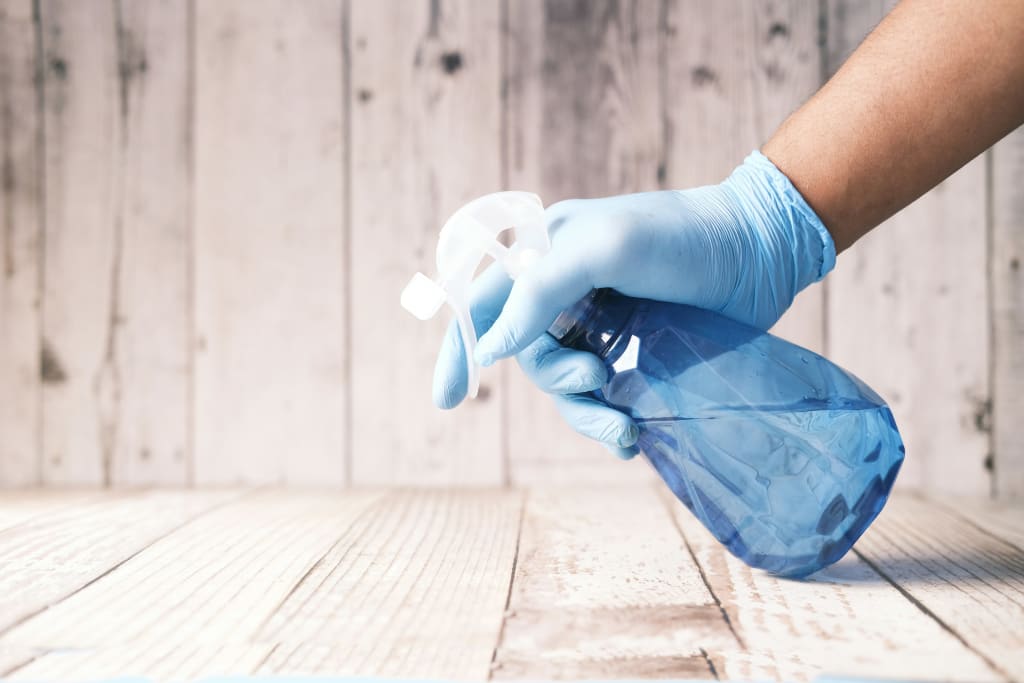
When we think of cleaning, we often focus on the obvious: sweeping, mopping, dusting. But what about all the invisible dirt that builds up without us even realizing? There are hidden corners and everyday objects in our homes that rarely get attention, yet they might be full of dust, bacteria, and allergens that affect our health and well-being.
The Most Overlooked Spots in Your Home
1. Kitchen Sponges: A Hidden Germ Haven
We use kitchen sponges daily to scrub plates, countertops, and even the sink itself. But did you know that they can harbor more bacteria than a toilet seat? A study found that harmful microbes like E. coli and Salmonella thrive in damp sponges. To prevent this, disinfect your sponge regularly by:
Soaking it in hot water with vinegar or bleach.
Microwaving it for one minute (ensure it’s wet to avoid fire hazards).
Replacing it every one to two weeks.
2. The TV Remote: Touched by Everyone, Cleaned by No One
The remote control is one of the most frequently touched objects in any home, yet it’s often forgotten during cleaning routines. Think about it: we handle it while eating, after sneezing, or even when sick. To keep it germ-free:
Wipe it down with a disinfecting cloth weekly.
Use a cotton swab dipped in rubbing alcohol to clean between the buttons.
Encourage household members to wash their hands before using it.
3. Curtains, Cushions, and Upholstery: Dust Mite Hotspots
Soft furnishings like curtains, couch cushions, and fabric chairs collect dust, pet dander, and pollen over time. If left uncleaned, they can contribute to allergies and respiratory issues. Some easy maintenance steps include:
Washing curtains at least every three months.
Vacuuming cushions and upholstery weekly.
Using a fabric spray with antibacterial properties to reduce germs.
4. Air Conditioner and Vacuum Filters: Cleaning the Cleaners
Filters are designed to trap dirt, but if they aren’t cleaned or replaced regularly, they can do more harm than good. Instead of improving air quality, a dirty filter may circulate dust, mold spores, and bacteria throughout your home. To avoid this:
Clean your vacuum filter after every few uses and replace it as recommended.
Change air conditioning filters every one to three months.
If you use a humidifier, clean it frequently to prevent mold buildup.
5. Light Switches and Door Handles: The Invisible Culprits
Much like remote controls, light switches and door handles accumulate bacteria from constant use but are rarely disinfected. Since these are high-contact areas, make it a habit to:
Wipe them down with antibacterial wipes or a cloth soaked in disinfectant weekly.
Pay extra attention to bathroom and kitchen switches, where moisture can encourage bacteria growth.
6. Under and Behind Appliances: Dust and Grease Buildup
The spaces behind your refrigerator, oven, and washing machine are often neglected for months—or even years. Dust, food crumbs, and grease accumulate in these hidden areas, attracting pests and affecting air quality. Every few months:
Pull appliances away from the wall and sweep/vacuum the area.
Wipe down surfaces with a degreaser or soapy water.
Check for any signs of mold, leaks, or insect infestations.
7. Mattresses: Where We Spend a Third of Our Lives
We sleep on our mattresses every night, yet many people never deep clean them. Over time, they accumulate sweat, dead skin cells, and dust mites. To maintain a cleaner sleeping environment:
Vacuum the mattress surface every month.
Sprinkle baking soda, let it sit for a few hours, then vacuum it up to remove odors.
Use a mattress protector and wash bedding regularly.
8. The Top of Cabinets, Doors, and Ceiling Fans
Because these areas are out of sight, they’re easy to forget. But dust settles on them just like it does on floors and countertops. Make sure to:
Dust ceiling fans and high surfaces monthly.
Use a damp microfiber cloth to trap dust instead of spreading it.
Avoid letting grease build up on kitchen cabinets by wiping them with warm soapy water.
9. Toothbrush Holders and Bathroom Accessories
Bathrooms are warm and humid—perfect conditions for bacteria to thrive. Items like toothbrush holders, soap dishes, and shower curtains can become breeding grounds for mold and germs. Keep them clean by:
Washing toothbrush holders weekly with hot water and soap.
Replacing loofahs and bath sponges every month.
Spraying shower curtains with a mix of vinegar and water to prevent mold.
10. Trash Cans: The Forgotten Source of Odors
We take out the trash regularly, but how often do we clean the bin itself? Even with a liner, liquids and food particles can create foul odors and bacteria buildup. Every two weeks, make sure to:
Wash the bin with hot, soapy water.
Disinfect it with a spray or wipe.
Sprinkle baking soda at the bottom to absorb odors.
Cleaning Isn’t Just About Appearances—It’s About Health
Many of these overlooked areas don’t just affect how clean your home looks, but also how healthy it is. Dust, bacteria, mold, and allergens can contribute to respiratory issues, allergies, and even infections.
By incorporating small but meaningful cleaning habits into your routine, you can create a truly clean and healthy home. So, now that you know the dirtiest hidden spots—what’s the first thing you plan to clean today?
About the Creator
Keep reading
More stories from idaly cook and writers in Families and other communities.
Cleaning Secrets Everyone Should Know
Keeping a home clean can feel like an endless task, but with the right strategies, it’s possible to reduce effort and improve results. Beyond appearances, cleaning affects air quality, emotional well-being, and disease prevention.
By idaly cook10 months ago in Families
Wise~Guys
— Look Behind what's in Front of You ~ Make Good Choices — Hey, So how you Doin'..! Made~Men — Mobster Movies romanticise a distinctive, elegant appearance, impeccable attire style, along with the 'Families' expressive lingo. Making their 'Bones' gave them Panache — with vintage fedoras, tailored pin-striped suits, mirror-polished wing-tip shoes adorned with tassels; with their 'Gun Moll' gorgeous dates on their arms.
By Jay Kantor19 days ago in Families



Comments
There are no comments for this story
Be the first to respond and start the conversation.