
The Best Turf for Schools: What Administrators Need to Know
19.08.2024
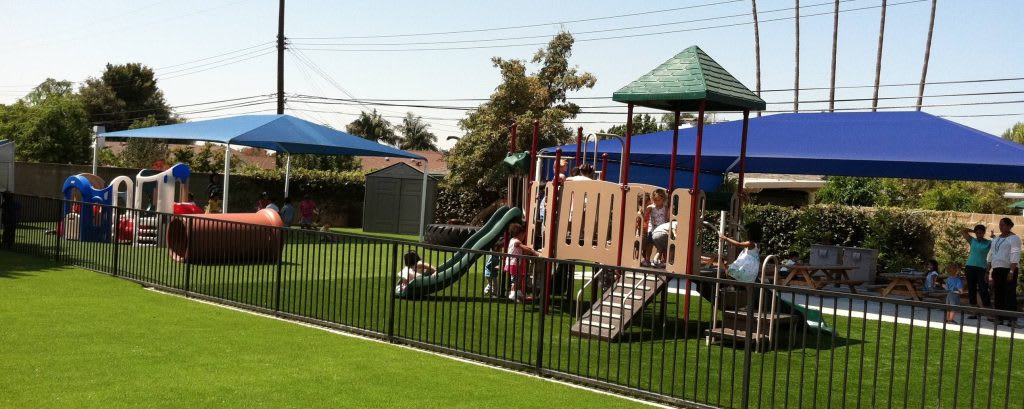
School administrators face numerous decisions when it comes to facility management, and one increasingly common consideration is the installation of turf for schools.
With many high schools with turf fields reporting positive outcomes, it's worth exploring whether artificial turf for schools could be a beneficial addition to your educational institution.
This article will help school administrators understand the pros and cons of turf installation, the different types available, and key factors to consider when making this important decision.
Understanding the Appeal of Turf for Schools
Before we examine the specifics, let's consider why many schools are opting for artificial turf:
Durability and consistent playing surface
Reduced maintenance costs
Increased usability in various weather conditions
Improved aesthetics and school pride
Potential for increased revenue through field rentals
Now, let's explore the details that school administrators need to know.
Types of Artificial Turf for Schools
Not all artificial turf is created equal. Here are the main types to consider:
1. Nylon Turf
Characteristics:
Highly durable and resilient
Excellent for high-traffic areas
Can withstand extreme temperatures
Best for:
Elementary school playgrounds
High-use practice fields
2. Polyethylene Turf
Characteristics:
Softer and more grass-like in appearance
Good balance of durability and comfort
UV-resistant to maintain color
Best for:
Sports fields (football, soccer, lacrosse)
Multi-purpose athletic fields
3. Polypropylene Turf
Characteristics:
Most economical option
Less durable than nylon or polyethylene
Suitable for light to moderate use
Best for:
Indoor facilities
Low-traffic areas
Key Factors to Consider When Choosing Turf for Schools
School administrators should weigh these important factors:
1. Intended Use
Consider:
Types of sports or activities the field will host
Frequency of use
The age group of primary users
2. Climate and Weather Conditions
Factor in:
Local temperature ranges
Annual rainfall or snowfall
Exposure to direct sunlight
3. Maintenance Requirements
Evaluate:
Available maintenance staff and resources
Long-term maintenance costs
Specialized equipment needed for upkeep
4. Safety Considerations
Prioritize:
Shock absorption properties
Heat retention characteristics
Potential for bacterial growth
5. Environmental Impact
Consider:
Recyclability of the turf material
Water conservation benefits
Potential use of eco-friendly infill materials
6. Budget Constraints
Analyze:
Initial installation costs
Long-term maintenance savings
Potential for increased revenue through field rentals
The Installation Process for School Turf Fields
Understanding the installation process can help administrators plan effectively:
1. Site Preparation
Steps include:
Removing existing grass or surface
Grading the area for proper drainage
Installing a sturdy base layer
2. Drainage System Installation
Options include:
Perforated pipe systems
Permeable aggregate bases
Specialized drainage mats
3. Turf Installation
The process involves:
Rolling out the turf in sections
Securing seams between turf panels
Adding infill material for stability and cushioning
4. Final Touches
Completing the installation with:
Line markings for various sports
Installation of goalposts, if required
Final grooming of the turf surface
Maintenance Requirements for School Turf Fields
While artificial turf for schools requires less maintenance than natural grass, it's not maintenance-free:
1. Regular Grooming
Tasks include:
Brushing the turf to maintain fiber orientation
Removing debris with specialized equipment
Redistributing infill material
2. Cleaning and Sanitizing
Important for:
Removing spills and stains promptly
Preventing bacterial growth
Maintaining a hygienic play surface
3. Repairs and Replacements
Plan for:
Addressing small tears or damage promptly
Replacing high-wear areas as needed
Full replacement every 8-10 years, depending on use
The Cost of Turf for Schools: Initial Investment vs. Long-Term Savings
While the upfront cost of artificial turf can be significant, many schools find long-term savings:
1. Initial Costs
Factors affecting initial investment:
Size of the installation area
Type and quality of turf chosen
Complexity of site preparation
2. Long-Term Savings
Areas where schools may see reduced costs:
Water usage for irrigation
Mowing and landscaping labor
Fertilizers and pesticides
3. Potential Revenue Generation
Opportunities include:
Renting the field to community sports leagues
Hosting tournaments or events
Increased ticket sales due to fewer weather-related cancellations
Safety Considerations for School Turf Fields
Ensuring student safety is paramount when considering artificial turf for schools:
1. Impact Attenuation
Look for:
Turf systems with good shock absorption
Adequate infill depth to cushion falls
Regular testing of impact attenuation properties
2. Heat Management
Consider:
Turf with heat-reducing technologies
Adequate water systems for cooling the field
Scheduling practices during cooler parts of the day
3. Chemical Exposure
Be aware of:
Potential chemical content in turf and infill materials
Off-gassing of volatile organic compounds (VOCs)
Proper maintenance to minimize chemical exposure
4. Injury Prevention
Focus on:
Proper installation to prevent tripping hazards
Regular maintenance to ensure an even playing surface
Adequate drainage to prevent slippery conditions
Environmental Impact of Artificial Turf in Schools
As stewards of both education and the environment, school administrators should consider:
1. Water Conservation
Benefits include:
Significant reduction in water usage compared to natural grass
Decreased runoff of fertilizers and pesticides
2. Carbon Footprint
Factors to consider:
Reduced emissions from mowing and maintenance equipment
Carbon footprint of turf production and transportation
3. End-of-Life Considerations
Plan for:
Recyclability of the turf material
Proper disposal of non-recyclable components
Potential for upcycling old turf into other products
Making the Decision: Is Turf Right for Your School?
To determine if artificial turf is the right choice for your school, consider:
1. Conducting a Needs Assessment
Evaluate:
Current field usage and limitations
Projected future needs
Community interest and support
2. Forming a Committee
Include:
School administrators
Athletic directors
Maintenance staff
Parent and student representatives
3. Visiting Other Schools
Arrange:
Tours of nearby high schools with turf fields
Discussions with administrators about their experiences
Observations of turf fields in use
4. Consulting with Experts
Seek advice from:
Turf installation professionals
Sports field consultants
Environmental experts
5. Analyzing Cost-Benefit Ratio
Calculate:
Total cost of installation and maintenance over the turf's lifespan
Projected savings on water, labor, and materials
Potential for increased revenue
Conclusion
Choosing the best turf for schools is a significant decision that requires careful consideration of numerous factors. School administrators have much to weigh, from the type of artificial turf to safety concerns, environmental impact, and long-term cost implications.
By carefully considering the information presented in this guide, consulting with experts, and learning from the experiences of other schools, administrators can make an informed decision about whether artificial turf is the right choice for their institution.
About the Creator
Keep reading
More stories from John Shawn and writers in Families and other communities.
Wise~Guys
— Look Behind what's in Front of You ~ Make Good Choices — Hey, So how you Doin'..! Made~Men — Mobster Movies romanticise a distinctive, elegant appearance, impeccable attire style, along with the 'Families' expressive lingo. Making their 'Bones' gave them Panache — with vintage fedoras, tailored pin-striped suits, mirror-polished wing-tip shoes adorned with tassels; with their 'Gun Moll' gorgeous dates on their arms.
By Jay Kantor18 days ago in Families
What If I Am the Victim
There is a moment many of us reach after deep self-reflection. You ask yourself hard questions. You examine your behavior. You wonder if you are the problem. And after all that honesty, another thought quietly appears. What if I am actually the victim
By Eunice Kamauabout an hour ago in Families
Center Stage with Paul Stewart
*** I'm keen to republish the interviews I did for my series with Vocal creators. It's been a few years and I thought it might be nice to revisit these wonderful conversations. I'll be releasing them one at a time for a few weeks/months.
By Heather Hubler4 days ago in Interview




Comments