
The Amazing Benefits of Organic Gardening
Get healthy in more ways than one with this engaging lifestyle.

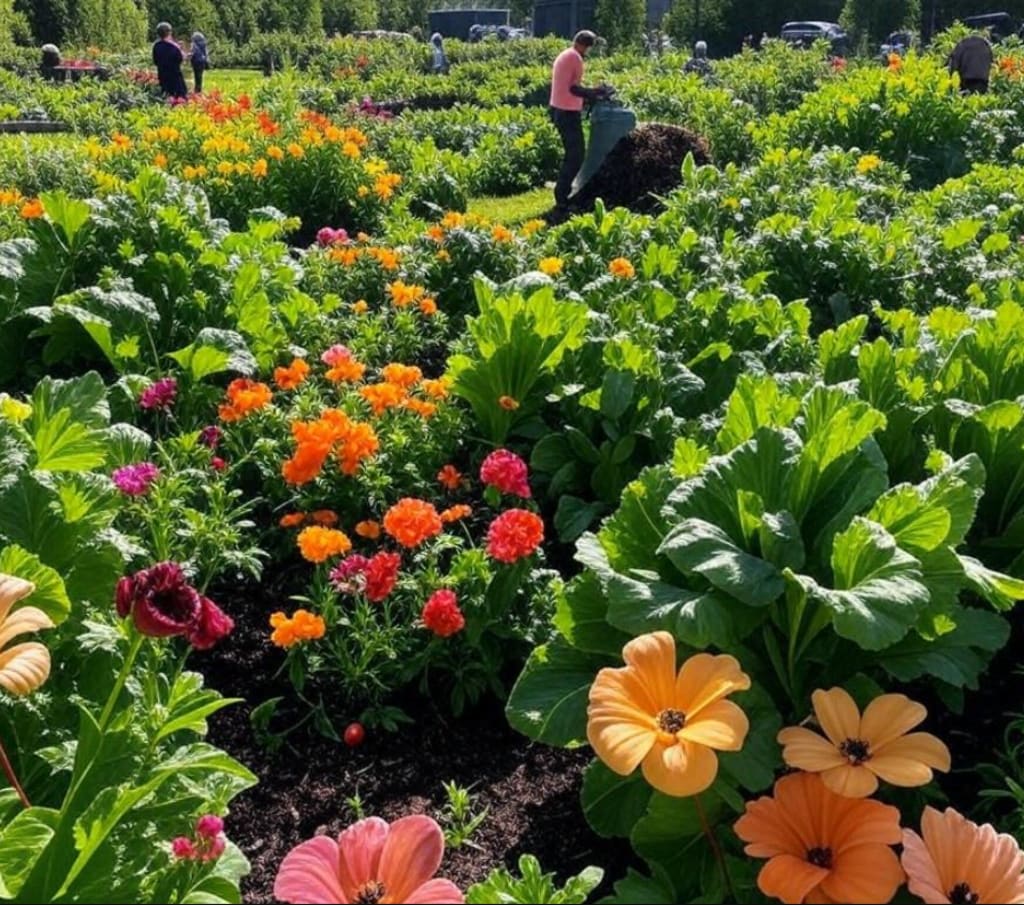
Organic gardening is a method of gardening that relies on techniques like crop rotation, composting, and biological pest control to maintain soil productivity and control pests, without the use of synthetic fertilizers, pesticides, or genetically modified. Organic gardening is a method of gardening that relies on techniques like crop rotation, composting, and biological pest control to maintain soil productivity and control pests, without the use of synthetic fertilizers, pesticides, or genetically modified organisms (GMOs). Organic gardening not only aims at producing food that is free from synthetic chemicals but also promotes a healthier, more sustainable gardening approach that works with nature rather than against it. It's about creating a balance where plants, soil, insects, and wildlife can thrive together. If you're in the US, you might find local resources or community groups that support organic gardening, providing seeds, knowledge, or even spaces to practice these methods.
Physical Health Benefits
Gardening is inherently physical; it involves digging, planting, weeding, watering, and harvesting, all of which require a variety of movements that can significantly enhance physical fitness. Here’s how:
• Cardiovascular Health: Regular gardening acts as moderate physical activity, increasing heart rate and improving cardiovascular endurance. A study by the American Heart Association found that individuals who garden are less likely to suffer from heart disease, thanks to this regular, albeit moderate, exercise.
• Muscle Strength and Flexibility: The diverse motions involved in gardening - from bending, stretching, and lifting - strengthen muscles, particularly those in the lower back, legs, and arms. Gardening also enhances flexibility, which is crucial for preventing injuries and maintaining mobility, especially as one ages.
• Bone Health: Weight-bearing activities like gardening can increase bone density, helping to stave off osteoporosis. Exposure to sunlight while gardening also boosts vitamin D levels, which are essential for bone health.
• Weight Management: The caloric expenditure associated with gardening can contribute to weight control or loss. It's an enjoyable way to burn calories, potentially up to 300 calories per hour, depending on the intensity of the gardening tasks.
Mental Health Benefits
The mental health advantages of gardening are profound and well-documented:
• Stress Reduction: Gardening has a calming effect, reducing cortisol levels (the stress hormone). The rhythmic nature of gardening tasks, along with the direct connection to nature, helps in soothing the mind.
• Depression and Anxiety: Gardening has therapeutic qualities that can alleviate symptoms of depression and anxiety. The sense of accomplishment from watching plants grow or harvesting one's own food can boost self-esteem and mood.
• Cognitive Function: Engaging with gardening can enhance cognitive function, particularly in older adults, potentially delaying the onset of dementia. The planning, memory, and attention required for gardening stimulate the brain.
• Mindfulness: Gardening promotes mindfulness, encouraging individuals to be present in the moment, which is a key component of many mental health practices. This mindfulness can lead to a more peaceful state of mind and enhanced emotional regulation.
Nutritional Benefits
• Fresh Produce: Home gardens provide access to fresh fruits and vegetables, which when consumed, are at their peak nutritional value. Fresh produce is richer in vitamins, minerals, and antioxidants compared to store-bought options that might have lost nutrients over time.
• Diverse Diet: Gardening encourages dietary diversity as gardeners are more likely to try growing and eating a variety of plants. This diversity is linked to better health outcomes, reducing the risk of chronic diseases by providing a broad spectrum of nutrients.
• Control Over Food: Growing your own food means you control what goes into your soil and onto your plants, potentially reducing exposure to pesticides and chemicals, which is a significant health benefit in an era where food safety is a growing concern.
Social and Community Benefits
• Community Building: Community gardens bring people together, fostering social bonds, and creating a sense of belonging. These communal spaces can lead to friendships, support networks, and collective problem-solving, all of which contribute to mental and emotional health.
• Education: Gardening can be educational, teaching children and adults alike about biology, ecology, and nutrition. It instills a respect for nature and can lead to lifelong habits of healthy eating and environmental stewardship.
• Cultural Exchange: Gardens often reflect cultural diversity, with different plants representing various heritages. This can lead to a rich exchange of cultural knowledge and practices, enhancing social cohesion and understanding.
Environmental Health
• Air Quality: Gardens contribute to cleaner air by absorbing pollutants and releasing oxygen, directly benefiting the health of those living nearby.
• Biodiversity: By promoting habitat for insects, birds, and other wildlife, gardens play a role in biodiversity, which indirectly supports human health by maintaining ecological balance.
• Sustainable Living: Gardening can foster practices like composting, water conservation, and organic farming, all of which contribute to a healthier planet, thus ensuring a sustainable food source for future generations.

Gardening is more than just a hobby; it's a health-promoting lifestyle. From the physical exertion of cultivating a garden to the mental peace derived from nurturing life, from the nutritional benefits of eating what you grow to the social connections forged in community gardens, gardening encapsulates a holistic approach to health. For those in the US, where gardening can be adapted to various climates and spaces, the potential for health benefits is vast. Whether it's through personal gardens, community plots, or school programs, embracing gardening can lead to a healthier, happier, and more connected society.
About the Creator
Rob Gardener
I've developed quite the fondness for gardening, a passion that connects me to the very essence of life and growth.
Keep reading
More stories from Rob Gardener and writers in Families and other communities.
The Joy I Find In Gardening
Once upon a time, in a world where bytes and bits often overshadowed the natural beauty around us, I discovered a sanctuary that would change my perspective forever: the garden. Not just any garden, but one that I had the privilege to cultivate, learn from, and love. It all started with a single seed, a tiny speck of potential that held within it the promise of life.
By Rob Gardenerabout a year ago in Journal
Wise~Guys
— Look Behind what's in Front of You ~ Make Good Choices — Hey, So how you Doin'..! Made~Men — Mobster Movies romanticise a distinctive, elegant appearance, impeccable attire style, along with the 'Families' expressive lingo. Making their 'Bones' gave them Panache — with vintage fedoras, tailored pin-striped suits, mirror-polished wing-tip shoes adorned with tassels; with their 'Gun Moll' gorgeous dates on their arms.
By Jay Kantor21 days ago in Families
Kids Beds Suitable for Smaller Bedrooms: Smart Comfort Without Crowding
Not every child has a large bedroom. In many homes, space is shared or limited, which means every piece of furniture needs to be chosen carefully. A bed that is too big or bulky can make a small room feel cramped and uncomfortable.
By Shazad Khan6 days ago in Families




Comments
There are no comments for this story
Be the first to respond and start the conversation.