
The 5 Guidelines for Setting the Table That Still Hold True.
Do you support the guidelines for setting the table? Would you include anything at all?


Present-day table setting is typically a simple process. The days of needing an infinite number of forks and an intricate plan for determining which one to use when are long gone. The majority of hosted dinners no longer consist of five courses, and most events in recent memory haven't followed standard table-setting or etiquette rules. Certain of those archaic laws may also be a little out of date.
The goal of a table setting, however, is not to be stuffy or intimidating; rather, it is to let the guest know what to expect and to make them feel at ease. This is something that a wise person once told me. Your guests will receive several hints from a set table, including, maybe, where to sit, whether to serve themselves buffet-style, and an estimate of how much food they can expect to consume.
Here are five guidelines you might want to reconsider removing in light of that (and a little nostalgia).
1. Avoid filling the table with too many centerpieces.
You'll see that centerpieces were kept basic in any film set in the early 20th century (when people were The Most Proper). They were aware that a dinner party is only as good as the conversation and that guests can't exactly talk around enormous floral arrangements running down the middle of the table, even though they weren't as concerned about saving space on the table (our portion sizes and offerings have increased quite a bit!). A table's aesthetics should not draw your attention away from its purpose. Do tiny, low floral arrangements and space the candles so that people can still see one another.
2. It's okay to have reserved seats.
Place cards aren't necessary, but it's a good idea to plan out seating and give directions before entering the dining room. Nobody wants to feel uncomfortable or have to second-guess themselves by asking questions such, "Can I sit at the head of the table?," and some visitors may have special reasons for being seated in particular places. Maybe Aunt Mary needs to stretch her bum knee out to the side, or a parent needs to assist their child in cutting food. You're in charge here, so make wise recommendations rather than leaving visitors to fend for themselves.
3. A pitcher of water is essential.
Water glasses must still be filled with water according to some official requirements, which still apply. A water pitcher or carafe should also be placed on the table. Most visitors detest asking for help and enjoy feeling independent. They can help themselves by using the pitcher or carafe that is already on the table. Additionally, drinking water from a gorgeous glass bottle reminds one of a restaurant. You'll be relieved that you won't need to get up frequently during the meal to refill people's glasses.
4. You must use paper towels (and other sustainable options).
Choose sustainable options whenever you can because there is only one Earth. Although there are so many interesting ones available right now (I personally love these and everything from this Etsy company! ), cloth napkins may undoubtedly feel stuffy and old. and they can aid in the reduction of paper waste. The real stuff is still going to be preferable for plates, silverware, and cups because it is reusable, keeps up better, and seems more respectful of the preparation that went into a meal. However, if you decide that doing dishes is too much work and you must use disposable items, make sure that everything is recyclable or compostable. The Crawleys wouldn't have been brought to Downton Abbey right away, but you'd never see a kraft paper cup on a table there.
5. You still require more than one glass.
There is no need for, example, two different types of wine glasses, a water glass, a Champagne flute, a sherry glass, and a tea cup on the table, but two is actually the golden number in this case. Each place setting still requires a water glass, ideally to the right of the dinner plate because most people are right-handed, in addition to any wine or cocktail glasses (that are either set on the table or remaining in use from a pre-dinner living room session). People may not want to quench their thirst with a cocktail or a glass of wine when they are satiated. One benefit is that it makes guests feel more at home, and another is that it keeps them hydrated, which should reduce the likelihood that they'll wake up with a hangover. You should appreciate the kind deed.
About the Creator
Fruits And Plants Diary - Get Insight
As a writer, here is the right place to access unique and interesting stories where people always enjoy reading through simple words.
Keep reading
More stories from Fruits And Plants Diary - Get Insight and writers in Families and other communities.
The 10 Strangest Cleaning Advice We Heard This Year.
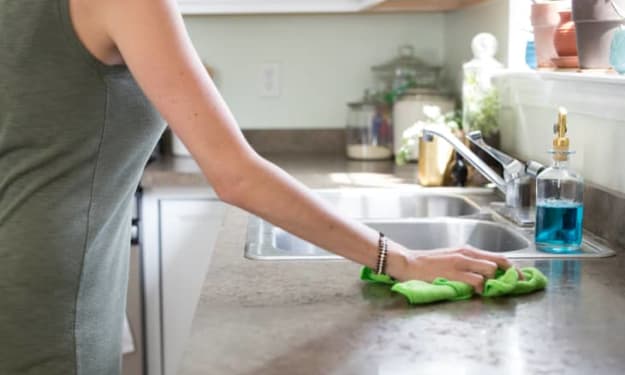
Cleaning became more crucial than ever in 2021 when we all spent far more time at home than anyone could have imagined. Yes, we were all very alert and trying to disinfect as much as we could. But cleaning also took up more and more of our time. There were more messes and dishes than normal. We simply got tired of staring at long-forgotten oven gunk. Additionally, there's something incredibly calming and rewarding about finishing activities that you've put off for too long. The editors and writers at Kitchn likely spent a lot of time cleaning like you did. We even tried some novel approaches and experimented with it. Unexpected outcomes from several of these sessions changed the game!
By Fruits And Plants Diary - Get Insight 3 years ago in Families



Comments
There are no comments for this story
Be the first to respond and start the conversation.