
Teen Depression and Social Media: The Growing Concern and Impact
Teen Depression and Social Media

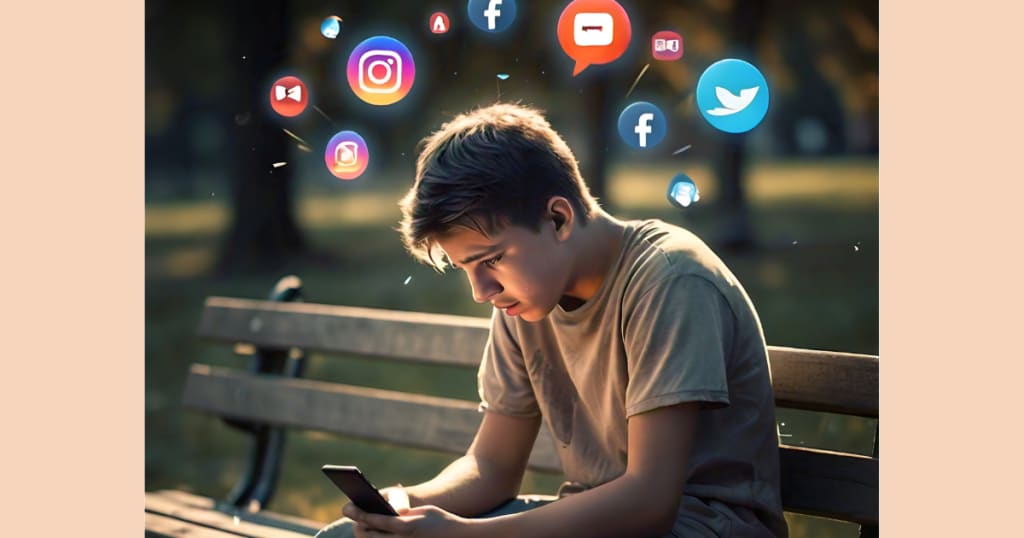
Social media, especially for teens, has become an important way to connect with others and have fun in this digital world. Teens can connect with their friends, figure out who they are, and share their lives on sites like Instagram, TikTok, and Snapchat. But as their use of these platforms grows, so do worries about how they might hurt their mental health, especially if they are depressed.
This article goes into detail about the link between teen depression and social media and gives teens, parents, and teachers tips on how to use technology safely.
Teen Depression and Social Media: More Than Just Moodiness
Teen depression is a dangerous mental health condition that goes beyond the normal mood swings that come with being a teenager. Mood swings are normal because of hormonal changes, but depression is when you feel sad all the time, have little energy, lose interest in things you used to enjoy, and think you’re not worth anything.
Unlike occasional mood swings, sadness lasts for a long time and makes it challenging to do everyday things. The alarming rise in depression rates among teens, as well as the mounting evidence that teens’ mental health deteriorates with increased social media use, are concerning. It’s important to know the signs of depression and how digital platforms might make these problems worse.
You may want to Read: 10 Teenage Girl Problems With Parents (And How to Stop)
The Rise of Social Media and Its Popularity Among Teens
Social media has become an important part of teenage life over the last ten years. With the rise of smartphones, apps like Instagram, Snapchat, and TikTok are now simple for teens to use so that they can stay in touch with their friends and pop culture all the time. On these sites, you can interact with others, express yourself, and explore your identity.
Of course, the rise of social media has also changed how kids interact with others, with many of them happening online. This has pros and cons, especially in terms of self-worth and comparison.
How Social Media Triggers Depression in Teens
The Pressure of Constant Comparison
The act of constant comparison on social media is one of the main ways it adds to teen depression. There are many carefully chosen, edited, and often perfect photos on social media sites like Instagram. As teens’ self-esteem grows, they might look at the “perfect” lives they see online and compare their own lives, bodies, and situations to those.
This kind of comparison can cause feelings of not being successful enough, envy, and self-doubt, all of which are major causes of sadness. Research indicates that individuals who frequently use social media often struggle with issues related to their self-esteem and body image, both of which are associated with sadness.
Cyberbullying and Its Emotional Toll
Youths have always faced bullying, but cyberbullying has worsened it. Cyberbullying happens all the time on social media, following kids home from school. This is different from regular bullying, which usually only happens in person.
One mean post or comment can go viral and make someone look awful in public. Bullies are often more confident when they can be anonymous on social media, which makes their actions more hurtful and persistent. Teenagers who can’t get away from cyberbullying may feel even more powerless, anxious, and hopeless. Researchers have discovered a significant connection between cyberbullying and feelings of sadness and suicidal thoughts.
Social Media and Sleep Disruption
A lot of teens stay up late and look through their feeds, which can be detrimental to their mental well-being. Studies have shown that too much time spent in front of a computer, especially at night, can mess up the production of melatonin, the hormone that controls sleep.
An insufficient amount of sleep is associated with feelings of sadness. Teenagers who have trouble sleeping because they spend too much time on social media are more likely to develop or worsen sadness. This makes it harder to stop harmful digital habits and mental health problems.
About the Creator
Teenage Parenting
Teenage Parenting helps parents raise teens in the digital age by managing screen time, social media safety, mental health, and tech-free family activities.
Keep reading
More stories from Teenage Parenting and writers in Families and other communities.
10 Teenage Girl Problems With Parents (And How to Stop)
It’s normal to feel many different emotions during the teenage years, but teenage girls often have special problems with their parents. These “teenage girl problems with parents” can cause stress and fights at home, from mistakes to emotional outbursts. Parent-teen conflict over things like freedom, rules, and communication problems is normal. It can make both parents and teens angry.
By Teenage Parentingabout a year ago in Families
Wise~Guys
— Look Behind what's in Front of You ~ Make Good Choices — Hey, So how you Doin'..! Made~Men — Mobster Movies romanticise a distinctive, elegant appearance, impeccable attire style, along with the 'Families' expressive lingo. Making their 'Bones' gave them Panache — with vintage fedoras, tailored pin-striped suits, mirror-polished wing-tip shoes adorned with tassels; with their 'Gun Moll' gorgeous dates on their arms.
By Jay Kantor20 days ago in Families




Comments
There are no comments for this story
Be the first to respond and start the conversation.