
Step-by-Step Guide to Remove Mold from Upholstery
Easily Eliminate Mold from Your Upholstery with These Simple Steps

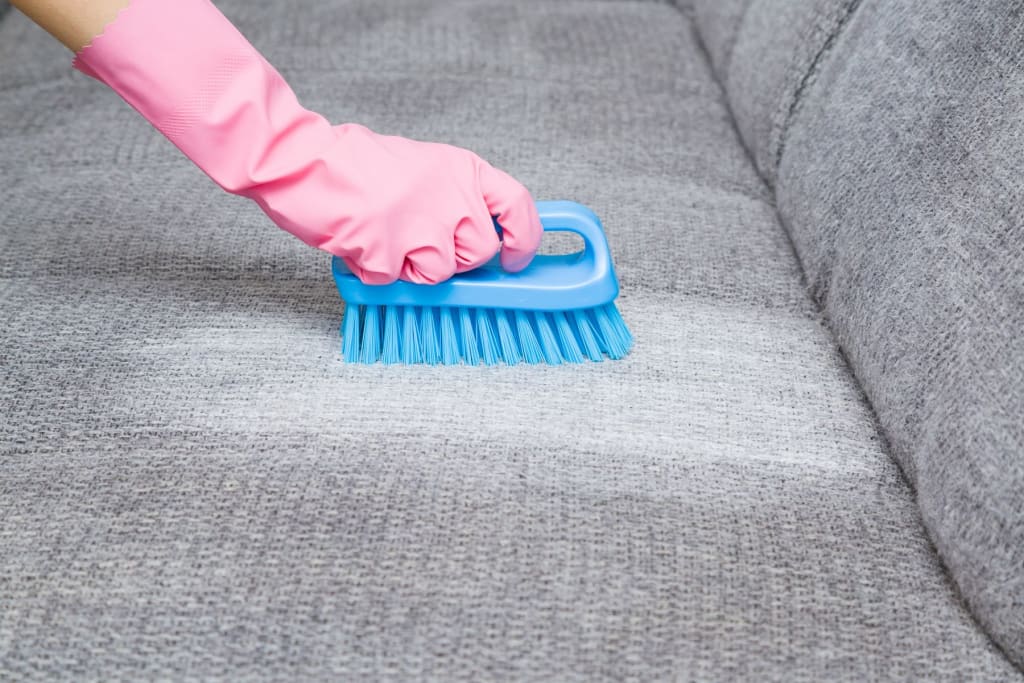
Mould on upholstery is more than just an eyesore; it can also lead to health problems and damage your furniture. If you’ve discovered mould growing on your fabric furniture, you’re probably wondering how to get mould out of fabric effectively. Fortunately, removing mould from upholstery is possible with the right approach. This step-by-step guide will walk you through the process, helping you restore your furniture to its original condition.
Understanding Why Mould Grows on Upholstery
Mould thrives in damp, humid, and poorly ventilated environments. Upholstered furniture, especially in rooms with high humidity or after water spills, can become a prime target for mould growth. Here are the main factors that contribute to mould on fabric:
- Excess Moisture: Spills or leaks that aren’t promptly cleaned up can lead to moisture buildup in your upholstery.
- High Humidity: Humid conditions create an environment where mould can easily grow.
- Poor Air Circulation: Rooms with little airflow can trap moisture, making it easier for mould to develop.
Signs of Mould on Upholstery
Before diving into the process of upholstery cleaning Melbourne or your local vicinity, it’s important to identify the presence of mould. Mould on fabric often manifests as:
- Discolored Spots: Look for green, black, or white patches on the upholstery. These may appear fuzzy or slimy.
- Musty Smell: Mould produces a distinct, musty odor that is often the first sign of its presence.
- Health Symptoms: Unexplained allergies, respiratory problems, or skin irritations in your home may be linked to mould.
Step-by-Step Guide to Remove Mould from Upholstery
1. Safety Precautions
Mould can be harmful to your health, so it’s important to take the following safety measures before starting:
- Wear Protective Gear: Use rubber gloves and a mask to protect yourself from mould spores.
- Work in a Ventilated Area: Open windows and doors to ensure proper ventilation during the cleaning process.
2. Vacuum the Affected Area
Begin by vacuuming the mouldy area to remove loose spores. Use a vacuum cleaner equipped with a HEPA filter to prevent spreading the spores to other parts of your home.
3. Prepare a Cleaning Solution
Several effective and natural cleaning solutions can be used to tackle mould on fabric. Here are a few options:
- White Vinegar: A natural disinfectant, white vinegar can kill many types of mould. Mix equal parts of white vinegar and water in a spray bottle.
- Baking Soda: Baking soda is gentle yet effective at removing mould. Mix one tablespoon of baking soda with a cup of water.
- Hydrogen Peroxide: For tougher stains, mix one part hydrogen peroxide with three parts water. Be cautious, as hydrogen peroxide can bleach some fabrics.
4. Test the Cleaning Solution
Before applying your chosen solution to the entire mouldy area, test it on a small, hidden section of the fabric to ensure it doesn’t cause any discoloration or damage.
5. Apply the Cleaning Solution
Once you’ve tested the solution, it’s time to clean the mould:
- Spray the Solution: Spray the mouldy fabric generously with the cleaning solution, ensuring the affected area is well saturated.
- Gently Scrub the Area: Use a soft brush or cloth to gently scrub the mouldy spots. Be careful not to scrub too hard, as this can damage the fabric.
- Let It Sit: Allow the solution to sit on the fabric for about 10-15 minutes. This will give it time to penetrate and kill the mould.
6. Rinse and Dry the Fabric
After the cleaning solution has had time to work, it’s important to rinse and dry the fabric thoroughly:
- Rinse with Water: Dampen a clean cloth with water and wipe away the cleaning solution and any remaining mould.
- Dry the Upholstery: Use a fan, hairdryer, or open windows to speed up the drying process. Ensure that the fabric is completely dry to prevent mould from returning.
7. Inspect and Repeat if Necessary
After drying, inspect the upholstery to ensure all the mould has been removed. If any mould remains, repeat the cleaning process.
8. Consider Professional Cleaning
If the mould has deeply penetrated the fabric or covers a large area, professional cleaning services may be required. Professionals have the tools and expertise to remove mould without damaging your furniture.
Preventing Mould on Upholstery
After successfully removing the mould, take steps to prevent it from returning:
1. Control Humidity Levels
Keep the humidity in your home below 60%. Use a dehumidifier in particularly damp areas or during humid seasons to help control moisture levels.
2. Improve Ventilation
Ensure that your home is well-ventilated. Use fans, open windows, and avoid blocking air vents to promote good airflow.
3. Clean Spills Immediately
Promptly clean any spills on your upholstery to prevent moisture from seeping into the fabric. Use a clean cloth to blot up excess liquid and a mild cleaning solution if necessary.
4. Regular Inspections
Regularly inspect your upholstery for signs of mould, especially in humid areas of your home. Catching mould early makes it easier to remove.
5. Use Mould-Resistant Products
Consider applying mould-resistant sprays or treatments to your upholstery as an added layer of protection.
Conclusion
Removing mould from upholstery can be a challenging task, but by following this step-by-step guide, you can effectively eliminate it and prevent it from returning. Knowing how to get mould out of fabric is essential for maintaining a healthy and clean living environment. With a little effort and the right techniques, your furniture can be mould-free and looking its best.
About the Creator
The Echoes of Bitter Harvest
The sun hung low over the rolling hills of the Blackwood Estate, casting long, distorted shadows that looked like grasping fingers reaching for the manor house. Julian Blackwood stood on the obsidian-tiled balcony, his fingers wrapped tightly around a glass of amber liquid that had long since grown warm. At thirty-two, Julian was the sole heir to a fortune built on coal, sweat, and a century of secrets. But as he looked out over the dormant vineyards that his father had insisted on planting in his final years, all Julian felt was the crushing gravity of a legacy he never asked for.
By Alpha Cortex7 days ago in Families
I Married the Love of My Life… But Somehow Ended Up Living With Her Mother Instead
When I got married, I thought I knew exactly what I was signing up for—love, partnership, shared dreams, and building a life together. What I didn’t expect was that my marriage would gradually start to feel like a three-person arrangement… and that I would be spending more time with my mother-in-law than with my own wife.
By Lukáš Hrdlička6 days ago in Families




Comments
There are no comments for this story
Be the first to respond and start the conversation.