
Staying Safe: How I Learned to Protect Myself from Fraud
Tips, Lessons, and Real-Life Steps to Outsmart Scammers

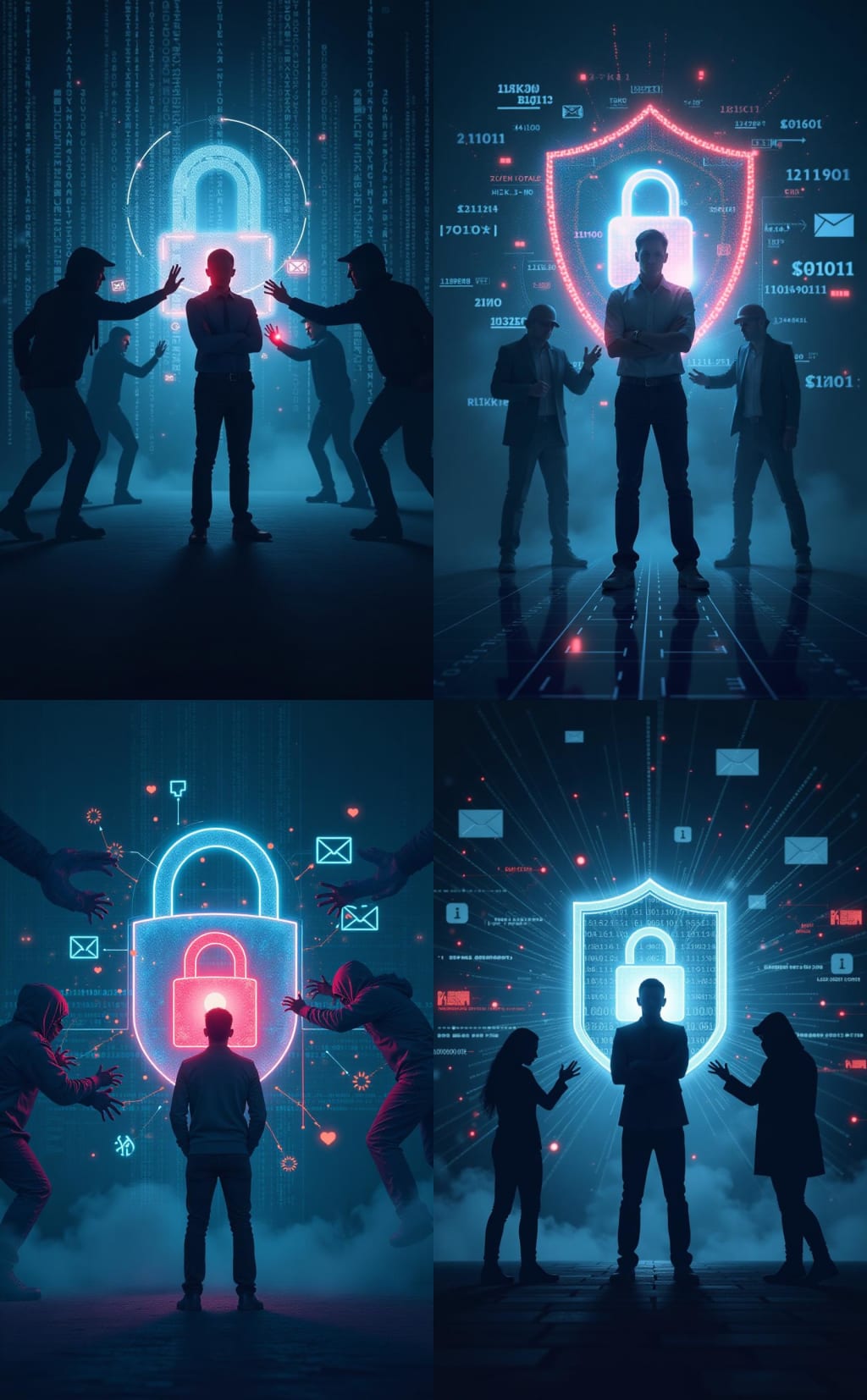
A few years ago, I considered myself a smart and careful person—always aware of my surroundings, skeptical of suspicious emails, and cautious with my money. But everything changed the day I almost became the victim of a sophisticated fraud scheme. What I thought would never happen to me came knocking, and it taught me lessons I now want to share with others. If it could happen to me, it could happen to anyone.
It started with a phone call.
The number looked familiar—local area code, even the first few digits resembled my bank’s customer service. A calm and professional voice introduced himself as a representative from my bank's fraud protection team. He told me there had been suspicious activity on my account—multiple withdrawals attempted in another city. My heart skipped a beat. Before I could even process it, he asked me to verify my account number to "secure" the account.
At that moment, something felt off. I remembered reading somewhere never to share personal details over the phone, especially if I didn’t initiate the call. I asked him how I could confirm that he was really from my bank. He got defensive. His tone changed ever so slightly. That was all the confirmation I needed. I hung up.
Right after, I called my bank's official helpline—this time the real one, from their website. There were no suspicious withdrawals. No alerts. And certainly, no one had called me.
That day, I realized how easy it is to fall into a trap. These scammers were clever—they used a fake caller ID to imitate my bank’s number and created a sense of urgency. From that point on, I became determined to learn more about fraud, how it works, and most importantly, how to protect myself from it.
The Many Faces of Fraud
Fraud is no longer just a matter of fake phone calls or suspicious emails. Today, it comes in many forms: phishing, identity theft, fake investment schemes, romance scams, online shopping fraud, and more. The more connected we become, the more ways fraudsters find to exploit us.
Here are just a few types I’ve learned about:
Phishing Emails: Emails pretending to be from reputable companies asking for sensitive information.
Smishing: Similar to phishing, but through SMS texts.
Vishing: Voice phishing, like the phone call I received.
Fake Online Stores: Scammers set up websites that look like real e-commerce stores but steal your credit card info.
Romance Scams: Fraudsters build fake relationships to emotionally manipulate and financially exploit people.
Investment and Crypto Scams: Promising “guaranteed” returns with no risk—usually too good to be true.
How I Started Protecting Myself
After the scare, I took practical steps to increase my protection. Here’s what worked for me:
1. Verified Every Source
If someone called or emailed me claiming to be from a company, I no longer took it at face value. I started calling companies directly using their official websites, never links or numbers in suspicious messages.
2. Used Strong Passwords
I changed all my passwords to strong, unique ones and started using a password manager. I also enabled two-factor authentication on every account that offered it.
3. Froze My Credit
As a preventive step, I froze my credit with all major credit bureaus. That way, even if someone had my identity information, they couldn’t open new accounts in my name.
4. Educated Myself
I started following websites and newsletters focused on cybersecurity and fraud alerts. The more I knew, the easier it became to spot red flags.
5. Spoke Openly About It
One of the most powerful things I did was talk about my experience with friends and family. It turned out several of them had close calls too, but felt embarrassed to share.
Red Flags to Watch For
Here are a few red flags I learned to spot quickly:
Messages or calls that create urgency ("Act now or your account will be locked!")
Requests for personal or financial information via email, text, or phone
Poor grammar or strange sender addresses
Unfamiliar websites with deals that seem too good to be true
Being asked to pay in gift cards, cryptocurrency, or wire transfers
A Real Example That Hit Close to Home
Not long after my own experience, my cousin received a message on social media from someone she thought was an old classmate. They chatted for weeks, and he eventually asked for help with a “temporary financial issue.” It turned out to be a romance scam. She lost $3,000.
She felt ashamed, but I reminded her that these scams are engineered to exploit trust and emotions. Victims are not foolish—they’re human. What matters is learning and spreading awareness.
The Importance of Staying Vigilant
Fraud is not just a technical problem; it’s psychological. Scammers study behavior, use fear or flattery, and prey on trust. But the more you educate yourself and others, the stronger your defenses become.
I now treat fraud protection like I do physical safety—locking doors, staying alert, being cautious with strangers. It’s part of living in a digital world.
Final Thoughts: Share the Knowledge
If you take away one thing from my story, let it be this: talk about fraud. Share experiences. Stay updated. Trust your gut. And never be too embarrassed to speak up. Silence helps scammers; awareness stops them.
I didn’t lose money that day, but I did gain something else: wisdom. And if I can help even one person avoid a scam, then that phone call I received wasn't just a warning—it was a wake-up call worth sharing.
About the Creator
Keep reading
More stories from Habibullah khan and writers in Families and other communities.
Under One Roof: Facing Home Challenges and Finding Solutions Together
From Everyday Chaos to Calm: A Journey Through Family Struggles and Simple Fixes Our house wasn’t falling apart — not literally, anyway. But it felt like every week brought a new problem. A leaking faucet. A broken cabinet door. Worn-out sockets that sparked every time we plugged something in. At first, we laughed it off. “Old house charm,” we’d say. But it didn’t take long for the laughter to fade and the tension to creep in.
By Habibullah khan 10 months ago in Families


Comments
There are no comments for this story
Be the first to respond and start the conversation.