
Soup Success: Simple Techniques for Delicious Homemade Soups
Master the basics of soup making with these easy-to-follow tips and tricks

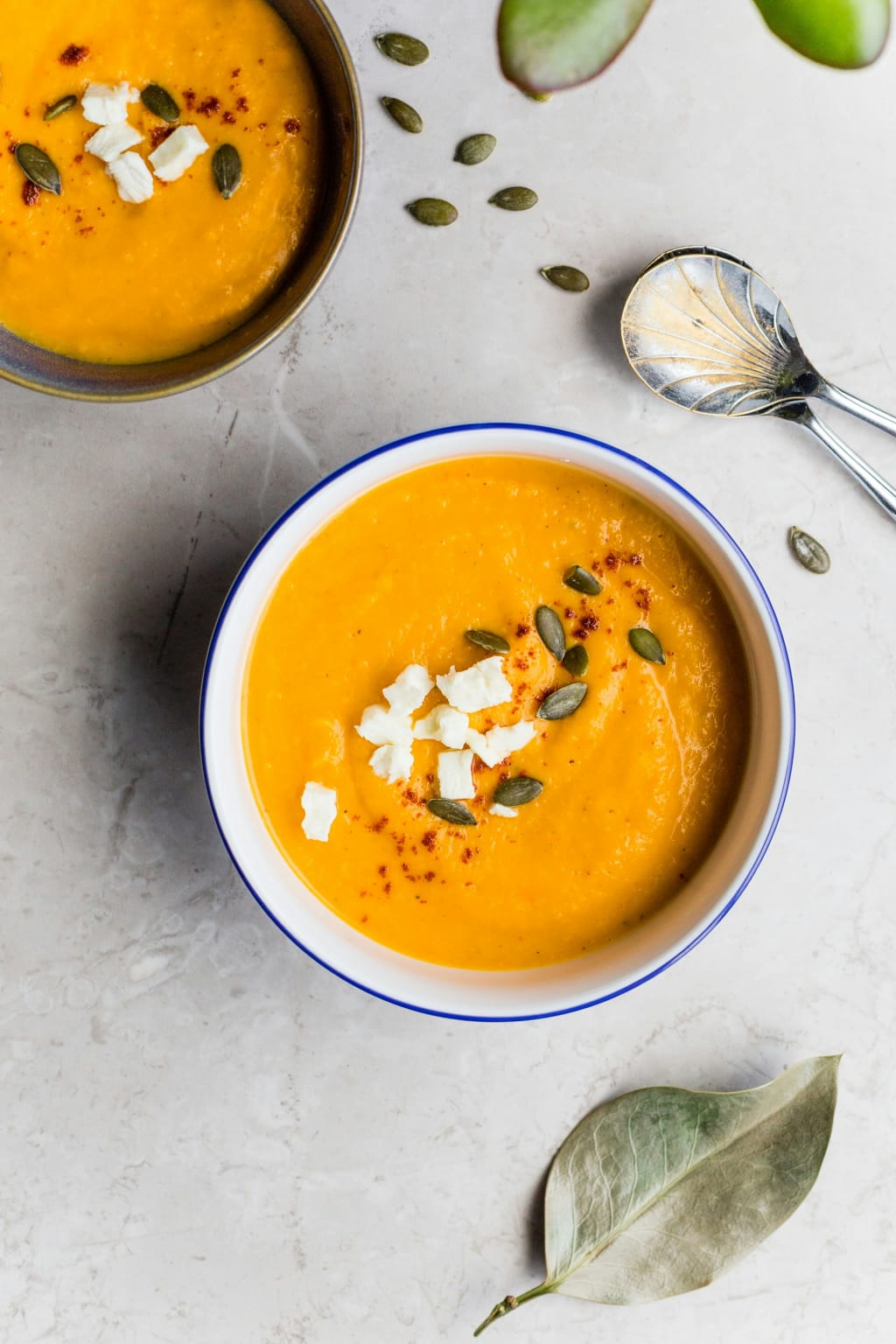
Lean, juicy beef, mutton, and veal, form the basis of all good soups; therefore it is advisable to procure those pieces which afford the richest succulence, and such as are fresh-killed. Stale meat renders them bad, and fat is not so well adapted for making them. The principal art in composing good rich soup, is so to proportion the several ingredients that the flavour of one shall not predominate over another, and that all the articles of which it is composed, shall form an agreeable whole. To accomplish this, care must be taken that the roots and herbs are perfectly well cleaned, and that the water is proportioned to the quantity of meat and other ingredients. Generally a quart of water may be allowed to a pound of meat for soups, and half the quantity for gravies. In making soups or gravies, gentle stewing or simmering is incomparably the best. It may be remarked, however, that a really good soup can never be made but in a well-closed vessel, although, perhaps, greater wholesomeness is obtained by an occasional exposure to the air. Soups will, in general, take from three to six hours doing, and are much better prepared the day before they are wanted. When the soup is cold, the fat may be much more easily and completely removed; and when it is poured off, care must be taken not to disturb the settlings at the bottom of the vessel, which are so fine that they will escape through a sieve. A tamis is the best strainer, and if the soup is strained while it is hot, let the tamis or cloth be previously soaked in cold water. Clear soups must be perfectly transparent, and thickened soups about the consistence of cream. To thicken and give body to soups and gravies, potato-mucilage, arrow-root, bread-raspings, isinglass, flour and butter, barley, rice, or oatmeal, in a little water rubbed well together, are used. A piece of boiled beef pounded to a pulp, with a bit of butter and flour, and rubbed through a sieve, and gradually incorporated with the soup, will be found an excellent addition. When the soup appears to be too thin or too weak , the cover of the boiler should be taken off, and the contents allowed to boil till some of the watery parts have evaporated; or some of the thickening materials, above mentioned, should be added. When soups and gravies are kept from day to day in hot weather, they should be warmed up every day, and put into fresh scalded pans or tureens, and placed in a cool cellar. In temperate weather, every other day may be sufficient.
Various herbs and vegetables are required for the purpose of making soups and gravies. Of these the principal are, Scotch barley, pearl barley, wheat flour, oatmeal, bread-raspings, pease, beans, rice, vermicelli, macaroni, isinglass, potato-mucilage, mushroom or mushroom ketchup, champignons, parsnips, carrots, beetroot, turnips, garlic, shalots and onions. Sliced onions, fried with butter and flour till they are browned, and then rubbed through a sieve, are excellent to heighten the colour and flavour of brown soups and sauces, and form the basis of many of the fine relishes furnished by the cook. The older and drier the onion, the stronger will be its flavour. Leeks, cucumber, or burnet vinegar; celery or celery-seed pounded. The latter, though equally strong, does not impart the delicate sweetness of the fresh vegetable; and when used as a substitute, its flavour should be corrected by the addition of a bit of sugar. Cress-seed, parsley, common thyme, lemon thyme, orange thyme, knotted marjoram, sage, mint, winter savoury, and basil. As fresh green basil is seldom to be procured, and its fine flavour is soon lost, the best way of preserving the extract is by pouring wine on the fresh leaves.
Plant Based Cookbook - 200 Vegan Recipes, learn more
For the seasoning of soups, bay-leaves, tomato, tarragon, chervil, burnet, allspice, cinnamon, ginger, nutmeg, clove, mace, black and white pepper, essence of anchovy, lemon-peel, and juice, and Seville orange-juice, are all taken. The latter imparts a finer flavour than the lemon, and the acid is much milder. These materials, with wine, mushroom ketchup, Harvey's sauce, tomato sauce, combined in various proportions, are, with other ingredients, manipulated into an almost endless variety of excellent soups and gravies. Soups, which are intended to constitute the principal part of a meal, certainly ought not to be flavoured like sauces, which are only designed to give a relish to some particular dish.
About the Creator
Alexey Sabadyr
Writes children's fairy tales in simple and verse, detective stories, a book about vampires, books on diets, cooking, business, self-development, personal growth, I write articles
Keep reading
More stories from Alexey Sabadyr and writers in Families and other communities.
Choosing the Perfect Cut: Understanding Factors That Impact Meat Quality
During the period between the birth and maturity of animals, their flesh undergoes very considerable changes. For instance, when the animal is young, the fluids which the tissues of the muscles contain, possess a large proportion of what is called albumen . This albumen, which is also the chief component of the white of eggs, possesses the peculiarity of coagulating or hardening at a certain temperature, like the white of a boiled egg, into a soft, white fluid, no longer soluble, or capable of being dissolved in water.
By Alexey Sabadyrabout a year ago in Families




Comments (1)
This is a fascinating historical glimpse into the art of soup-making. The detailed instructions and emphasis on quality ingredients highlight the culinary traditions of the past. It's interesting to note the emphasis on simmering, a technique still used today to extract maximum flavor. The inclusion of various herbs and spices, as well as the use of wine and vinegar, demonstrates the sophistication of early culinary practices. This passage offers valuable insights into the evolution of soup-making and the enduring appeal of this comforting dish.