
Soap vs. Hand Sanitizer: The Ultimate Showdown to Defeat the Viruses
who is better virus exterminator
Soap vs. Hand Sanitizer: The Ultimate Showdown to Defeat the Viruses
Let’s talk about your hands. Up close, they’re like the Grand Canyon of human anatomy: full of peaks, valleys, folds, and rifts. You might think they’re smooth when you glance at them, but trust me—your hands are like a topographical map for bacteria, viruses, and any other germs that want to hitch a ride. And while your hands are off doing their thing, like holding coffee cups, texting, or giving high fives, they’re also busy picking up viruses and sending them straight to your face (because, of course, that’s what we do—we touch our faces).
Now, there’s hope! There are two simple weapons in your arsenal to keep viruses at bay: soap and water, and hand sanitizer. But which one is the true champion in the fight against microscopic invaders? Let’s break it down.
The Secret Life of Viruses
Okay, so first, let’s meet our enemy: the virus. Specifically, the coronavirus that causes COVID-19 (but honestly, this works for a lot of other viruses too). The virus has an outer layer made of lipids—fancy biological fat molecules. These lipids are kind of like the virus’s personal bodyguards. They like water, but also hate water. It’s complicated, like a bad relationship. But the key point is that they form a protective shell to keep the virus intact and ready to invade your cells.
Now, here’s the cool part: soap is like the perfect bouncer for this party. And here’s why.
Soap: The Virus Bouncer You Never Knew You Needed
When you wash your hands with soap, something magical happens. Soap molecules are amphiphiles (yep, that’s a real word) and they’re like virus wrecking balls. On one end, they love water (just like the virus’s lipid heads), and on the other, they hate it (just like the lipid tails). So, soap molecules essentially fight for space in the virus's membrane, causing it to break apart.
It's like if the virus was throwing a party, and soap molecules showed up and started breaking up the VIP section. Boom, the virus’s protective shell collapses, and it’s game over. Then, the soap wraps the virus in a nice little bubble (a.k.a. a micelle) and lets the water wash the whole thing away. Nice.
Hand Sanitizer: The Earthquake Method
If soap is the wrecking ball, hand sanitizer is the earthquake. Most hand sanitizers contain alcohol (ethanol or isopropanol), which works a little differently. You know how a virus’s membrane is all nice and stable when it's surrounded by water? Well, alcohol comes in and shakes things up, like a kid who just discovered their parents’ liquor cabinet. It makes the virus membrane collapse in on itself. The spike proteins—those things that help the virus invade your cells? Gone. Crumbled. Like a house of cards in an earthquake. Shake, rattle, and roll.
The Battle: Soap vs. Hand Sanitizer
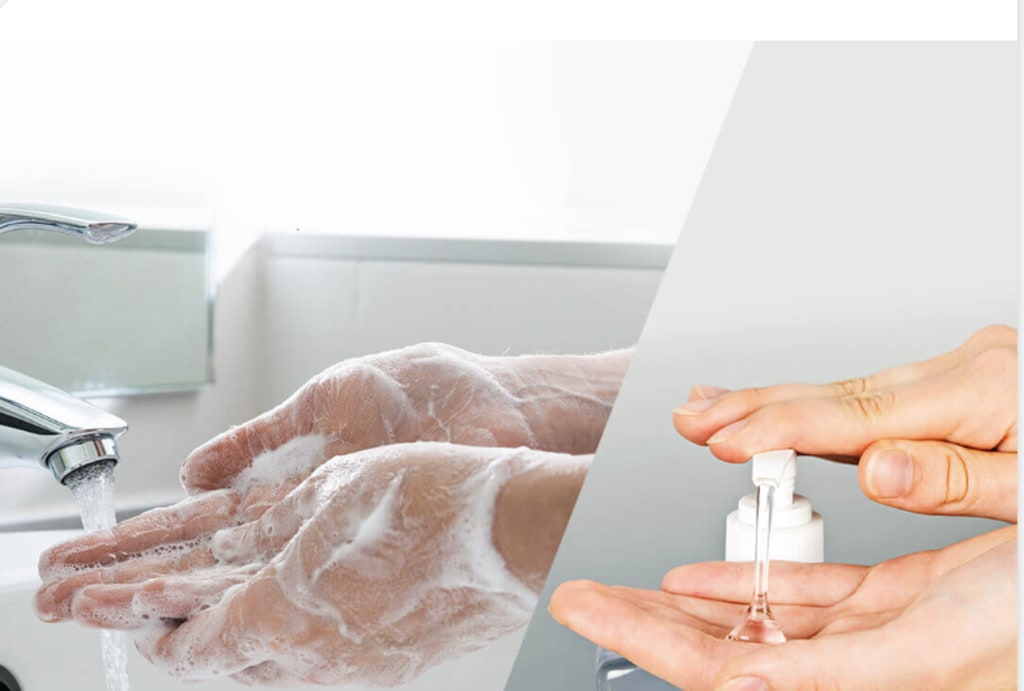
So, which is better? The truth is, both soap and hand sanitizer are excellent at destroying viruses, but they work in different ways. Soap is like an all-around hero. It not only breaks apart the virus’s lipid shell, but it also washes away dirt, grime, and any sneaky virus particles hiding in the cracks and crevices of your hands (which, let’s be honest, are more like caves than smooth surfaces). Doctors recommend washing your hands for 20 seconds because, well, your hands are basically a maze of wrinkles and crevices where viruses like to hide. And you want to get all those places: palms, fingertips, the backs of your hands, and the spaces in between your fingers. It’s a bit of a chore, but it’s the gold standard when it comes to preventing viruses.
On the other hand, hand sanitizer is great for when you’re on the go, stranded in the middle of nowhere, or just don’t have access to a sink. It’s not quite as thorough as soap (since it doesn’t wash away dirt), but it’s still pretty powerful. Rub it in until your hands are dry, and that virus is toast. Just don’t forget to cover all surfaces—yes, even between your fingers!
The Big Question: Does Soap Always Win?
Not so fast. While soap is your MVP for viruses like COVID-19, it’s not always the best option for every type of virus. Take the common cold, for instance. Some colds are caused by rhinoviruses, which have a very different structure from coronaviruses. These viruses have a tough outer shell made of proteins called capsids (no lipid membrane here), so soap doesn’t do quite as much damage to them. But, hand sanitizer? That stuff can still mess with the protein structure, destabilizing those cold-causing viruses enough to make them less effective. So, in some cases, hand sanitizer might actually be the secret weapon.
What About People Without Clean Water?
Here’s a bummer: billions of people don’t have access to clean water, which is a huge problem at any time, but especially during a pandemic. Fortunately, there are researchers and organizations working hard to find solutions. One promising development is a device that uses salt, water, and a car battery to create chlorinated water for hand-washing. Talk about turning a car battery into a germ-fighting superhero!
The Bottom Line
So, what’s the final verdict? Soap and water is generally the best option, especially for a virus like COVID-19. But when soap is out of reach, hand sanitizer can still do the job, and it’s way better than nothing. Just remember, always wash your hands thoroughly (and not just for 3 seconds), and when in doubt, listen to medical professionals. They know their stuff.
In the epic battle of Soap vs. Hand Sanitizer, both are worthy contenders. But with a little bit of knowledge and a good squirt of one or the other, you’ve got this.
And as for that face-touching habit? Well, let’s all agree to make it a lot less frequent, shall we?
Let’s talk about your hands. Up close, they’re like the Grand Canyon of human anatomy: full of peaks, valleys, folds, and rifts. You might think they’re smooth when you glance at them, but trust me—your hands are like a topographical map for bacteria, viruses, and any other germs that want to hitch a ride. And while your hands are off doing their thing, like holding coffee cups, texting, or giving high fives, they’re also busy picking up viruses and sending them straight to your face (because, of course, that’s what we do—we touch our faces).
Now, there’s hope! There are two simple weapons in your arsenal to keep viruses at bay: soap and water, and hand sanitizer. But which one is the true champion in the fight against microscopic invaders? Let’s break it down.
The Secret Life of Viruses
Okay, so first, let’s meet our enemy: the virus. Specifically, the coronavirus that causes COVID-19 (but honestly, this works for a lot of other viruses too). The virus has an outer layer made of lipids—fancy biological fat molecules. These lipids are kind of like the virus’s personal bodyguards. They like water, but also hate water. It’s complicated, like a bad relationship. But the key point is that they form a protective shell to keep the virus intact and ready to invade your cells.
Now, here’s the cool part: soap is like the perfect bouncer for this party. And here’s why.
Soap: The Virus Bouncer You Never Knew You Needed
When you wash your hands with soap, something magical happens. Soap molecules are amphiphiles (yep, that’s a real word) and they’re like virus wrecking balls. On one end, they love water (just like the virus’s lipid heads), and on the other, they hate it (just like the lipid tails). So, soap molecules essentially fight for space in the virus's membrane, causing it to break apart.
It's like if the virus was throwing a party, and soap molecules showed up and started breaking up the VIP section. Boom, the virus’s protective shell collapses, and it’s game over. Then, the soap wraps the virus in a nice little bubble (a.k.a. a micelle) and lets the water wash the whole thing away. Nice.
Hand Sanitizer: The Earthquake Method
If soap is the wrecking ball, hand sanitizer is the earthquake. Most hand sanitizers contain alcohol (ethanol or isopropanol), which works a little differently. You know how a virus’s membrane is all nice and stable when it's surrounded by water? Well, alcohol comes in and shakes things up, like a kid who just discovered their parents’ liquor cabinet. It makes the virus membrane collapse in on itself. The spike proteins—those things that help the virus invade your cells? Gone. Crumbled. Like a house of cards in an earthquake. Shake, rattle, and roll.
The Battle: Soap vs. Hand Sanitizer
So, which is better? The truth is, both soap and hand sanitizer are excellent at destroying viruses, but they work in different ways. Soap is like an all-around hero. It not only breaks apart the virus’s lipid shell, but it also washes away dirt, grime, and any sneaky virus particles hiding in the cracks and crevices of your hands (which, let’s be honest, are more like caves than smooth surfaces). Doctors recommend washing your hands for 20 seconds because, well, your hands are basically a maze of wrinkles and crevices where viruses like to hide. And you want to get all those places: palms, fingertips, the backs of your hands, and the spaces in between your fingers. It’s a bit of a chore, but it’s the gold standard when it comes to preventing viruses.
On the other hand, hand sanitizer is great for when you’re on the go, stranded in the middle of nowhere, or just don’t have access to a sink. It’s not quite as thorough as soap (since it doesn’t wash away dirt), but it’s still pretty powerful. Rub it in until your hands are dry, and that virus is toast. Just don’t forget to cover all surfaces—yes, even between your fingers!
The Big Question: Does Soap Always Win?
Not so fast. While soap is your MVP for viruses like COVID-19, it’s not always the best option for every type of virus. Take the common cold, for instance. Some colds are caused by rhinoviruses, which have a very different structure from coronaviruses. These viruses have a tough outer shell made of proteins called capsids (no lipid membrane here), so soap doesn’t do quite as much damage to them. But, hand sanitizer? That stuff can still mess with the protein structure, destabilizing those cold-causing viruses enough to make them less effective. So, in some cases, hand sanitizer might actually be the secret weapon.
What About People Without Clean Water?
Here’s a bummer: billions of people don’t have access to clean water, which is a huge problem at any time, but especially during a pandemic. Fortunately, there are researchers and organizations working hard to find solutions. One promising development is a device that uses salt, water, and a car battery to create chlorinated water for hand-washing. Talk about turning a car battery into a germ-fighting superhero!
The Bottom Line
So, what’s the final verdict? Soap and water is generally the best option, especially for a virus like COVID-19. But when soap is out of reach, hand sanitizer can still do the job, and it’s way better than nothing. Just remember, always wash your hands thoroughly (and not just for 3 seconds), and when in doubt, listen to medical professionals. They know their stuff.
In the epic battle of Soap vs. Hand Sanitizer, both are worthy contenders. But with a little bit of knowledge and a good squirt of one or the other, you’ve got this.
And as for that face-touching habit? Well, let’s all agree to make it a lot less frequent, shall we?
About the Creator
Keep reading
More stories from Misbah Ijaz and writers in Families and other communities.
Tape vs Glue which one is better
The Ultimate Showdown: Tape vs. Glue – Who’s Got the Stick? Ever wonder what holds the world together? Well, if you’re thinking “love,” you’re not wrong. But let’s face it—when it comes to everyday survival, it’s more likely that something is held together by tape or glue. And if you think about it, these sticky substances are pretty much the unsung heroes of civilization. They’ve been sticking things together for millennia. No, seriously—over 8,000 years ago, the earliest known glue, made from animal bones and plants, was used by ancient people near the Dead Sea to waterproof baskets and make tools. The Dead Sea may be famous for its salt, but I think it should also be known as the birthplace of super glue.
By Misbah Ijaz about a year ago in Families
Wise~Guys
— Look Behind what's in Front of You ~ Make Good Choices — Hey, So how you Doin'..! Made~Men — Mobster Movies romanticise a distinctive, elegant appearance, impeccable attire style, along with the 'Families' expressive lingo. Making their 'Bones' gave them Panache — with vintage fedoras, tailored pin-striped suits, mirror-polished wing-tip shoes adorned with tassels; with their 'Gun Moll' gorgeous dates on their arms.
By Jay Kantor28 days ago in Families
From Brain Changes to Lifestyle Factors What Causes Dementia?
It is often realized when the changes have started. A missed appointment. A well known face that suddenly becomes strange. A dialogue that is interrupted in the middle. Dementia does not come as a sudden event--it develops over a long time, based on the years of alterations within the brain and the decisions which are made in life. In order to comprehend the reasons behind dementia, it would be of help to go back to where the family normally finds itself: making sense of what has happened and what lies ahead.
By Alice Outlawabout 13 hours ago in Families



Comments
There are no comments for this story
Be the first to respond and start the conversation.