
Signs of stress or distress in kids
Stress is a normal part of life. When the stresses are too much to handle, they can become destructive or unhealthy.
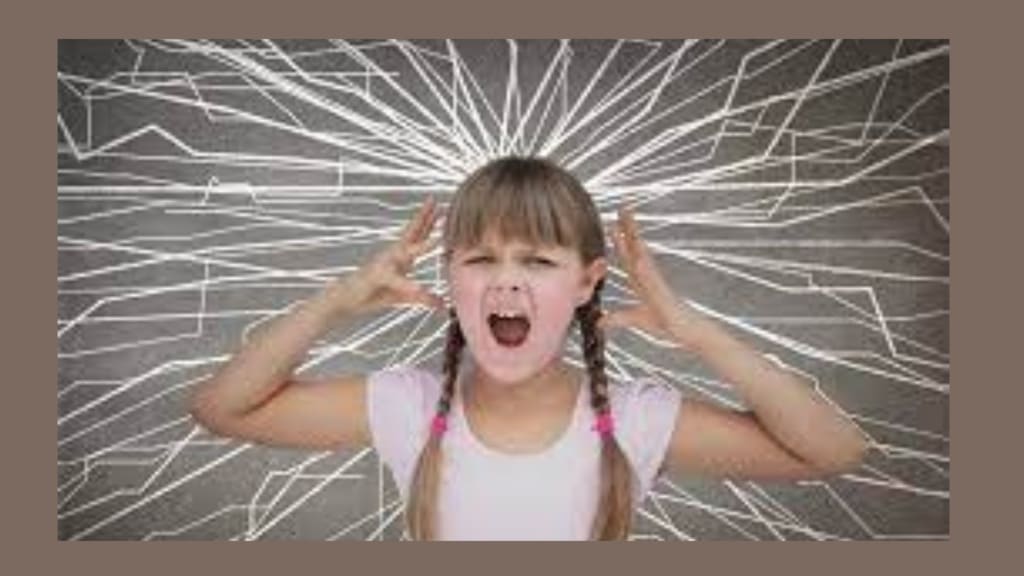
Kids today are facing more pressure than ever before. They’re expected to do well in school, obey their parents and lead busy lives. But sometimes, all that stress can get to them and the signs of distress in kids depend on what’s going on in their lives. Let us discuss briefly sign of stress in kids in this article.
Sometimes, it’s as simple as not feeling like doing homework or chores that seem hard because they’re just too much for them right now. Other times it can be more serious: having trouble sleeping, needing more or less sleep than usual or being worried about making mistakes (or feeling guilty if they make any). When children experience any of these symptoms at all during happy times—such as when they’re hanging out with friends or playing sports at recess—it might mean something isn’t quite right with how they feel emotionally or mentally.”
Having trouble sleeping
If your child has trouble sleeping, it could be a sign of stress. Stress can cause sleep problems, which in turn make kids more stressed and anxious.
For example:
• Your son is having trouble falling asleep at night because he’s worried about getting into fights with his friends at school or being bullied by other kids during recess.
• Your daughter has been staying up late playing video games recently and then gets tired during the day because she didn’t get enough sleep last night (and what was supposed to be an hour nap became a few hours).
Needing more or less sleep
You may have noticed that your child is sleeping more or less than usual. This can be a sign of stress, but it also might be because they need more or less sleep than you do.
The age at which children begin to require more hours of rest depends on the individual child and their body’s developmental needs. For example, a two-year-old might need 11 hours per night while an adolescent will require nine hours (or even fewer).
It’s important that kids get enough sleep so they function well during the day—that means being able to concentrate and make good decisions when faced with choices like homework assignments or getting dressed for school in the morning!
If your child doesn’t get enough sleep at night due to things like sleeping too late into morning or staying up watching TV before bedtime then there could be some serious consequences down the road: memory loss; decreased attention span; inability to focus on tasks at hand; difficulty concentrating on schoolwork during class periods (or even just homework); irritability towards peers/teachers/etc.; increased risk of depression later in life if left untreated.”
Worried about making mistakes
Kids are sensitive to criticism, so when you say something like “You should have done that differently,” it can be very upsetting for them. If your child is feeling overwhelmed by the expectations of others, they may worry that they aren’t doing well enough or making mistakes in front of others. They may also worry that they’ll make a mistake at home and get into trouble with their parents or siblings.
Feeling sad, hopeless, angry or irritable
Feelings of sadness, anger or irritability can be caused by stress. Your child may feel sad when they’re not happy or angry because they have a difficult time dealing with something that has happened to them in the past.
Your child might also be irritable if they are under pressure at school or home and don’t know how to express their feelings without acting out aggressively.
If your child is experiencing these feelings often, it’s important for you to help them cope with their emotions so they can manage them better when stressors arise again later on down the line (and possibly even prevent future episodes).
Experiencing headaches, stomach ache and other physical complaints
• Tension headaches
• Stomach aches
• Vomiting
• Diarrhea, constipation or other digestive issues
These symptoms can indicate stress or distress.
Being in a bad mood for no reason
• Your child’s moodiness is normal.
• Don’t take it personally.
• Try not to get annoyed or frustrated by your child’s behavior, because they may be trying to tell you something important but don’t know how to say it.
• If you see signs of stress in kids that aren’t related specifically to their relationship with you (like getting into fights with other kids at school), ask their teacher or another adult who knows the child well what can be done about it—and then follow up on those recommendations as needed!
Putting off homework or chores because they seem too hard
Helping your child feel more in control of their homework and chores can be a great way to support them. If they are given a task that seems too hard, it can be easy for kids to get frustrated and put off doing it. They might not have the skills needed or they may not have the right tools available.
Difficulty focusing or remembering things
If your child is having trouble concentrating or remembering things, it could be a sign of stress or distress. Struggling to concentrate on homework, chores or other tasks that he usually can handle just fine, this might indicate that something bigger is going on.
If your son has trouble remembering yesterday’s events or names of people he knows well (think: “Mommy” and “Daddy”), then this may be another indication that something is up with his mental state.
Just as adults do, kids can feel stress.
Stress is a normal part of life. When the stresses are too much to handle, they can become destructive or unhealthy.
Kids can experience stress in many ways, including school-related stress and family/friend issues. For example, if you have a child who is struggling with their homework or if he or she has trouble communicating with other people at home, these behaviors will likely cause them some degree of distress.
It’s important for parents to know what signs indicate that their child might be stressed out so they can help him or her cope with this new situation effectively and healthily.
Conclusion
It can be hard to know what’s going on for kids, especially when they’re not outwardly showing signs of stress. But if you notice a change in their behavior, don’t wait for them to tell you. Check in with your child and take the time to listen and talk about how things are going for them. This will help you identify any underlying issues that might need some extra attention from professionals such as teachers or doctors before they lead to bigger problems down the road!
About the Creator
Keep reading
More stories from Julie Jerlin J and writers in Families and other communities.
What happens to a toddler when a second born arrives?
When a second-born arrives, a toddler’s world changes drastically. They are no longer the center of attention and must share their parents’ time and love. It can be difficult for a toddler to understand and accept. As a result, many toddlers become jealous of the new baby and may act out negatively. It is important for parents to be patient and understanding with their toddlers during this time and to help them adjust to the new family dynamic.
By Julie Jerlin J3 years ago in Families
How to Fix Loose or Crooked Glasses Frames?
Eyeglasses are designed to improve your vision and make daily activities more comfortable. However, over time, glasses frames can become loose, bent, or misaligned. If your glasses constantly slide down your nose or feel uneven on your face, it may be a sign that your frames need adjustment or minor repair.
By Parham Optical6 days ago in Families
Top tipple tricks
Been thinking a lot about drinking, lately. Not least because of a recent episode of over-indulgence and the inevitable after effects. Some readers may recall the earlier articles I wrote about beating the booze. Here I set out an experiment in techniques for cutting down on my alcohol intake. The experiment was successful, the techniques worked, and I have armed myself with an arsenal of weapons in the war against the demon drink. I have yet to fire the first round however. It's all a question of timing (perhaps procrastination).
By Raymond G. Taylor7 days ago in Psyche



Comments
There are no comments for this story
Be the first to respond and start the conversation.