
Sichuan’s Fiery Soul: 8 Dishes That Define China’s Culinary Drama
"From tongue-tingling Mapo Tofu to theatrical Kung Pao Chicken, uncover the stories, spices, and smoky wok-breath behind Sichuan’s most iconic dishes—and why #8 will haunt your cravings
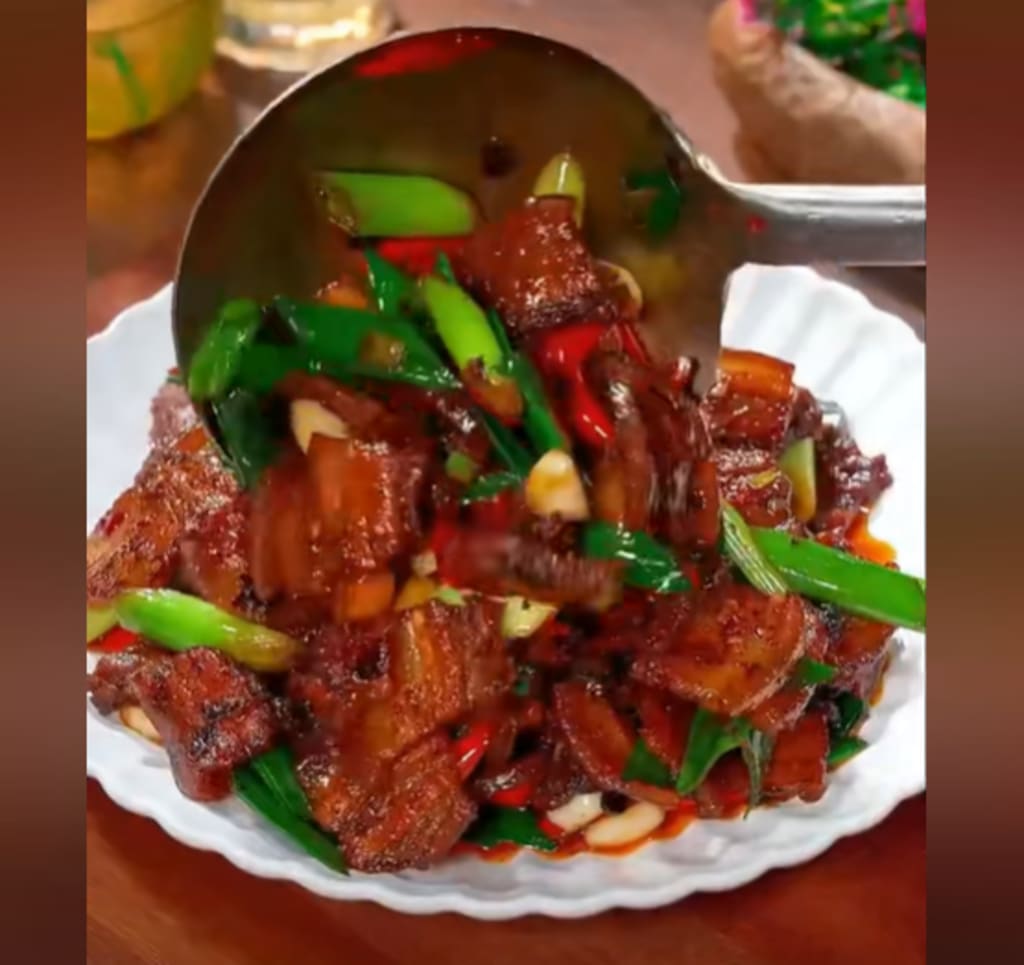
In the heart of China’s Sichuan province, where mist-clad mountains meet bustling spice markets, a culinary revolution simmers. This is a land where heat isn’t just a taste—it’s a philosophy. From the numbing kiss of Sichuan peppercorns to the smoky depth of fermented beans, every dish tells a story of survival, creativity, and unapologetic flavor. Let’s dive into eight iconic creations that define this fiery cuisine, each a masterpiece in its own right.
1. Twice-Cooked Pork (回锅肉)
Imagine pork belly transformed twice: first simmered to tenderness, then sliced thin and wok-fried until its edges curl into golden crisps. The magic lies in lao you—a base of fermented broad bean paste (豆瓣酱) and black beans that infuses the meat with umami richness. Paired with crunchy cucumbers to cut through the fat, this dish is Sichuan’s answer to comfort food. Locals joke that it’s “the reason rice was invented,” as each caramelized slice demands a fluffy mouthful to balance its intensity.
2. Ma po Tofu (麻婆豆腐)
Born in 1862 from the hands of a pockmarked (ma) grandmother (po), this dish is deceptively simple. Silken tofu trembles under a molten blanket of chili oil and minced pork, its heat tempered by the citrusy buzz of Sichuan peppercorns. The trick? Blooming the peppercorns in oil before adding chilies—a step foreign kitchens often skip, resulting in crude heat without the hypnotic mala (numbing-spicy) effect. Chengdu’s elderly aunties whisper that true mastery is measured by how long the tingling lingers on your lips.
3. Boiled Beef in Chili Oil (水煮肉片)
A dish that lies in its name. “Boiled” suggests gentleness, but this is anything but. Razor-thin beef bathes in a crimson broth infused with doubanjiang and dried chilies, then gets baptized under sizzling oil poured over garlic and peppercorns. The result? Meat so tender it nearly dissolves, floating atop a volcano of bean sprouts and cabbage. First-time diners often mistake the red sea for tomato soup—a error corrected by the first tongue-tingling bite.
4. La zi ji (辣子鸡)
More treasure hunt than meal, this dish buries diced chicken beneath an asteroid field of dried chilies. The joy is in the search—digging for caramelized nuggets infused with wok hei (the “breath of the wok”). Street vendors serve it with icy beer, claiming the spice amplifies the alcohol’s kick. Locals argue whether the chilies are meant to be eaten (they are, once rehydrated by the sauce) or just admired. Either way, it’s a rite of passage for spice pilgrims.
5. Sichuan Fish with Pickled Greens (酸菜鱼)
Here, the star isn’t the fish—it’s Suan Cai, mustard greens fermented until tangy and funky. Paired with silky fish slices, the broth swings between chili heat and vinegary punch, often thickened with cubes of duck blood curd. To outsiders, the curd’s gelatinous texture is alarming; to Sichuanese, it’s textural nirvana. Pro tip: Use the broth to poach rice, transforming leftovers into a second-day delicacy.
6. Yu Xiang Pork (鱼香肉丝)
A culinary sleight-of-hand. Despite its name (“fish-fragrance pork”), no seafood touches this dish. Instead, pork strips bask in a sauce of pickled chilies, black vinegar, and sugar—a combination traditionally used for fish. The magic lies in Shang jiang, a velveting technique where egg white and cornstarch coat the meat, yielding a texture locals describe as “slippery-tender.” Served with lotus root for crunch, it’s a masterclass in flavor illusion.
7. Mao Xue Wang (毛血旺)
Not for the faint-hearted. This Chongqing-born cauldron of duck blood curd, tripe, and intestines swims in a broth brewed with 23 spices over three days. Originally fuel for dockworkers, it’s now a badge of honor for spice warriors. Foreigners often retreat after one bite, muttering about “culinary warfare.” Survivors, however, praise its complexity—a symphony of iron-rich blood, chewy tripe, and broth that somehow manages to be both fiery and medicinal.
8. Kung Pao Chicken (宫保鸡丁)
The globetrotter of Sichuan cuisine, often imitated but rarely mastered. Authentic versions balance blistering dried chilies against a sweet-sour sauce, with crunchy peanuts and velvety chicken bridging the divide. The kicker? Sichuan peppercorns that leave lips buzzing like a low-voltage wire. Named after Ding Bao Zhen, a Qing-dynasty governor, the dish embodies Sichuan’s duality—refined enough for imperial courts, yet bold enough for street stalls.
Why Sichuan Captivates Foreign Palates
Sichuan cuisine thrives on contradictions. It’s both ancient (fermentation techniques dating to the Qin dynasty) and rebellious (experimenting with chili peppers post-16th century). It numbs (ma) as it burns (la), comforts as it challenges. For Westerners raised on “balanced” flavors, it’s a thrilling disruption—a reminder that food can be an adventure, not just fuel.
A Final Tip
When recreating these dishes abroad, seek real Sichuan peppercorns (look for rust-red husks with tiny black seeds). The supermarket “Sichuan pepper” blends? Often just paprika in disguise. And remember: true Sichuan heat isn’t about pain—it’s about the euphoria that follows, when endorphins and flavor collide.
About the Creator
Keep reading
More stories from yue . shui and writers in Families and other communities.
10 Must-Try Cantonese Tea Restaurant Classics
Cantonese cuisine is celebrated worldwide for its delicate balance of flavors, fresh ingredients, and artful techniques. From dim sum staples to hearty clay pot dishes, these recipes are staples in Guangdong’s bustling tea restaurants—and they’re easier to recreate at home than you think! Whether you’re a weeknight warrior or a weekend food adventurer, here’s how to bring authentic Cantonese magic to your table.
By yue . shui8 months ago in Families
Wise~Guys
— Look Behind what's in Front of You ~ Make Good Choices — Hey, So how you Doin'..! Made~Men — Mobster Movies romanticise a distinctive, elegant appearance, impeccable attire style, along with the 'Families' expressive lingo. Making their 'Bones' gave them Panache — with vintage fedoras, tailored pin-striped suits, mirror-polished wing-tip shoes adorned with tassels; with their 'Gun Moll' gorgeous dates on their arms.
By Jay Kantor19 days ago in Families
Bettijo Hirschi
Introduction Bettijo Hirschi is a multi‑talented creative professional from the United States. She works as a designer, art director, photographer, writer, and event planner. Bettijo has built a long career in creative work and media. People know her for her artistic skills, her work in magazines and television, and her lifestyle blog. She is also known in recent news because of changes in her personal life.
By Farhan Sayed4 days ago in Families
How to Succeed at the Benson Directory®
Congratulations and welcome to the Benson Directory® employee #22391! As our newest call handler, you will have the privilege of speaking with dozens of unique and interesting people on a daily basis as well as the opportunity to earn bonuses for high performance. Contained within this handbook you will find a set of ease to follow instructions designed to help you settle in to your new role and begin paving the way to success.
By S. A. Crawford3 days ago in Fiction



Comments
There are no comments for this story
Be the first to respond and start the conversation.