
Secrets Behind Successful Marriages: Insights from Around the World
Timeless Principles and Practices for Lasting Love
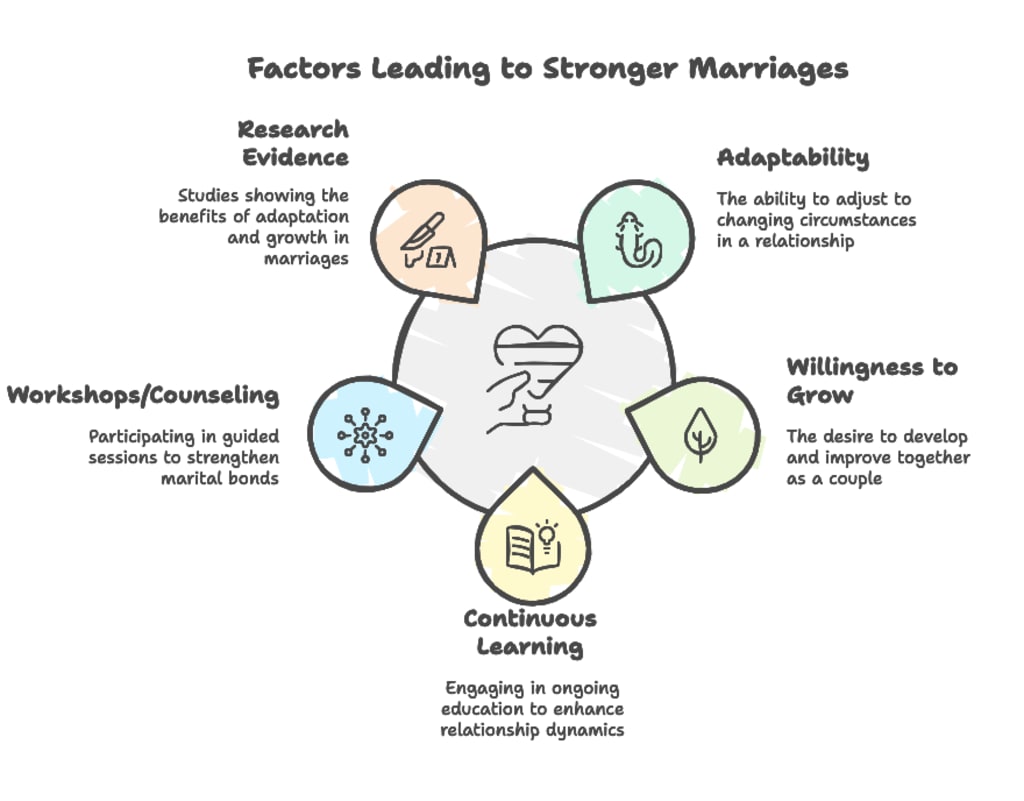
In this document, we explore the key elements that contribute to successful marriages across various cultures and societies. By examining different traditions, practices, and beliefs, we uncover universal principles that can enhance marital relationships. From communication styles to conflict resolution strategies, the insights gathered here provide a comprehensive understanding of what makes marriages thrive globally.
Communication
Effective communication is often cited as the cornerstone of a successful marriage. Couples who openly express their thoughts and feelings tend to build stronger connections. In many cultures, regular check-ins and discussions about daily experiences are common practices that foster intimacy and understanding.
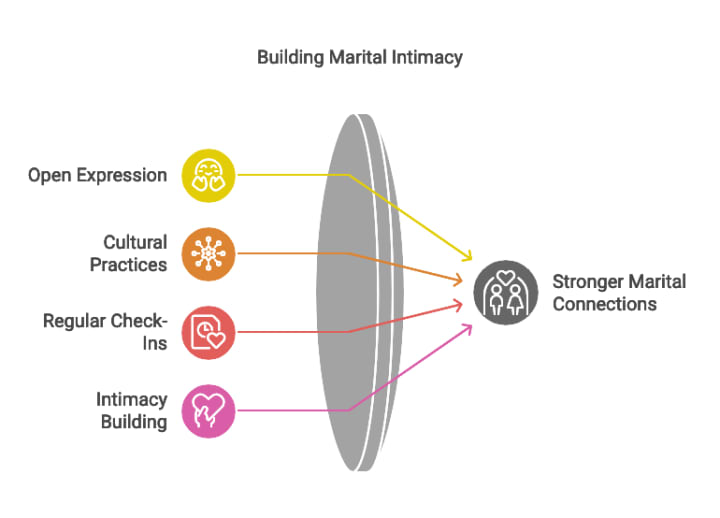
Practical Example: In Scandinavian countries, couples often dedicate time each week to discuss their feelings and experiences openly, a practice known as "heart-to-heart" conversations. This ritual helps nurture their emotional connection and build trust.
Evidence: Research from the University of Kansas found that couples who regularly communicate about their emotional states report higher satisfaction levels in their marriages.
Active Listening
Active listening is crucial in communication. It involves not just hearing words but also understanding the emotions behind them. Couples who practice active listening create a safe space for each other, allowing for deeper conversations and emotional support.
Practical Example: The "Reflective Listening" technique, popularized in couples therapy, encourages partners to repeat back what they heard, validating the speaker's feelings before sharing their perspective.
Evidence: Studies have shown that active listening reduces misunderstandings and conflicts, leading to more profound emotional intimacy.
Conflict Resolution
Every marriage faces conflicts, but how couples handle disagreements can significantly impact their relationship. Cultures around the world have developed unique conflict resolution approaches that can be beneficial.
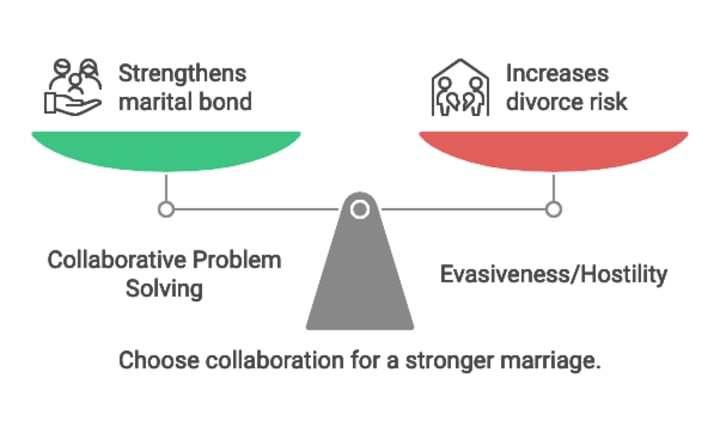
Collaborative Problem Solving: In many societies, couples work together to find solutions rather than assigning blame. This collaborative approach fosters teamwork and reinforces the idea that both partners are on the same side, ultimately strengthening their bond.
Practical Example: In many Indigenous cultures, conflict resolution often includes community mediation where elders help couples find a compromise. This communal involvement emphasizes the importance of harmony over individual interests.
Evidence: A study published in the Journal of Marriage and Family found that couples who employ collaborative problem-solving techniques experience a significant reduction in divorce rates compared to those who face conflicts with evasiveness or hostility.
Shared Values and Goals
Successful marriages often stem from shared values and life goals. Couples aligned on fundamental beliefs - such as family, finances, and future aspirations - tend to navigate challenges more effectively.
Practical Example: Couples in several Asian cultures often engage in discussions around family values and future objectives before marriage, ensuring their visions align. For instance, in various Indian communities, pre-marital counseling addresses compatibility in values and expectations.
Evidence: Research shows that couples with aligned goals report higher levels of marital satisfaction and lower levels of conflict.
Cultural Traditions
In some cultures, marriage is viewed as a union of families rather than just individuals. This perspective encourages couples to prioritize shared values and collective goals, which can lead to a more harmonious relationship.
Practical Example: In many Middle Eastern cultures, marriage ceremonies include family involvement in the planning and decision-making process, reinforcing the idea that marriage is a community commitment.
Evidence: Studies show that couples from collectivist cultures often experience greater marital satisfaction due to the support of family structures surrounding the marriage.
Emotional Support
Providing emotional support is vital for a thriving marriage. Partners attuned to each other's emotional needs can create a nurturing environment that fosters growth and resilience.
Practical Example: Couples that practice "couple check-ins," where they openly discuss their emotional well-being at least once a week, report feeling more connected and supported during stressful times.
Evidence: Research from the American Psychological Association indicates that emotional support is a strong predictor of marital success and overall relationship satisfaction.
Expressions of Affection
Different cultures have various ways of expressing love and affection. Whether through physical touch, verbal affirmations, or acts of service, these expressions help reinforce the emotional connection between partners.
Practical Example: In Latin American cultures, public displays of affection are common and encourage connection. Couples may hold hands or express verbal affection openly, fostering a sense of closeness.
Evidence: Studies show that couples who regularly express love and appreciation for one another report higher levels of satisfaction and emotional intimacy.
Adaptability and Growth
Successful marriages require adaptability and a willingness to grow together. Life brings changes, and couples who embrace these changes as opportunities for growth tend to have stronger relationships.
Practical Example: Couples in progressive societies often engage in continuous learning about relationship dynamics, seeking workshops or counseling to improve their marriages.
Evidence: Research indicates that couples who adapt to changes and challenges together experience lower divorce rates and higher satisfaction levels.
Lifelong Learning
Many cultures emphasize the importance of lifelong learning within marriage. Couples who seek to learn from each other and adapt to new circumstances often find that their relationship deepens over time.
About the Creator
Venkata Manukonda
I have insatiable thirst for knowledge and a passion for continuous learning. With a keen interest in exploring new ideas and innovative concepts, striving to expand understanding and contribute valuable insights.
Keep reading
More stories from Venkata Manukonda and writers in Families and other communities.
Book Review: Magic Hour by Kristin Hannah
Magic Hour by Kristin Hannah is a beautiful and poignant novel about healing, family, and the complex dance of trauma and the path toward resilience. Told against a Pacific Northwest backdrop of tidy homes tucked among dense forests, and towering mountains hiding secrets, the story—or rather life—displays the tale through the eyes of two sisters whose lives are forever changed by the one with the wild spirit and untold tale. The narrative is largely told through Julia, a successful surgeon whose life is starting to crumble when she’s called home after some kind of (troublesome) event. Seeing this call to return, it is here, too, a forced confrontation not only with her professional life, which has been a brutally dense and emotionally overwhelming time, but with the deep history of her family dynamics.
By Venkata Manukondaabout a year ago in BookClub
Wise~Guys
— Look Behind what's in Front of You ~ Make Good Choices — Hey, So how you Doin'..! Made~Men — Mobster Movies romanticise a distinctive, elegant appearance, impeccable attire style, along with the 'Families' expressive lingo. Making their 'Bones' gave them Panache — with vintage fedoras, tailored pin-striped suits, mirror-polished wing-tip shoes adorned with tassels; with their 'Gun Moll' gorgeous dates on their arms.
By Jay Kantor28 days ago in Families
12 Birthday Party Activities for Kids That Don't Require a Pinterest PhD
You don't need to spend three weeks crafting elaborate decorations or refinance your house for a bouncy castle. The best birthday party activities for kids are the ones that actually work: low prep, high chaos, maximum fun.
By Ben Robertsonabout 2 hours ago in Families



Comments
There are no comments for this story
Be the first to respond and start the conversation.