
Safety Warning Issued for Visitors to the World's Highest Shiva Temple
"Tungnath Temple Faces Safety Risks Amid Monsoon Damage: Authorities Urge Caution for Travelers"
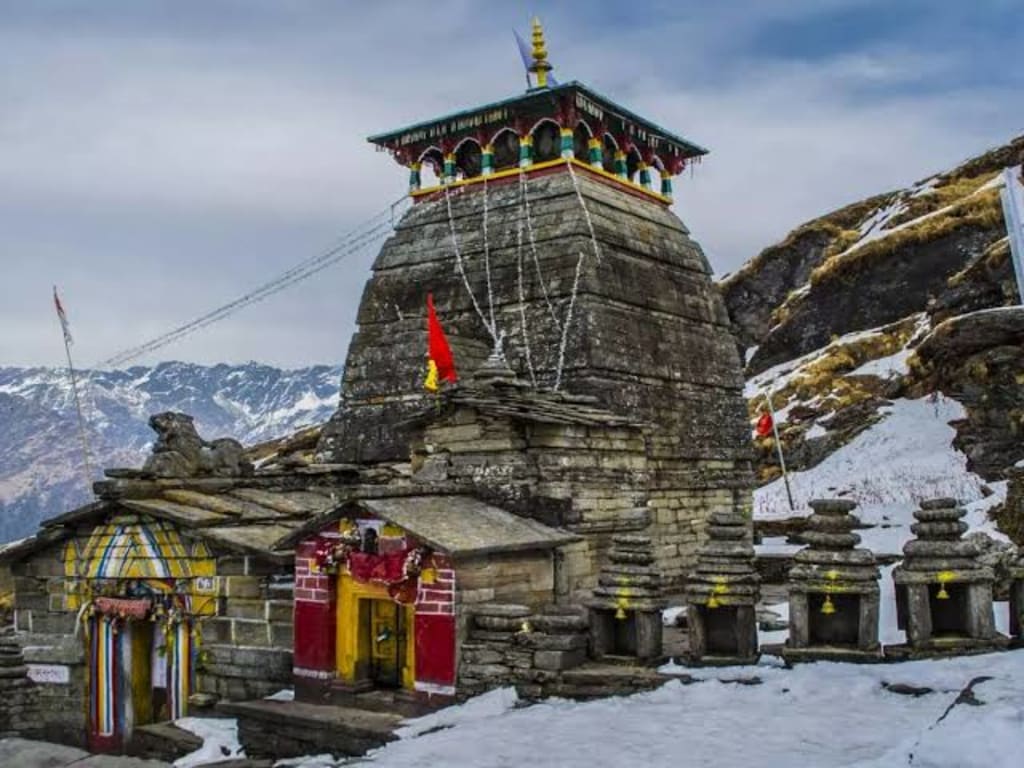
Authorities in India have issued a safety warning to travelers planning to visit the Tungnath Temple, recognized as the highest Shiva temple in the world. Located in the Rudraprayag district of Uttarakhand, the temple is facing significant structural issues exacerbated by the recent monsoon season.
The Tungnath Temple stands at an impressive altitude of 3,680 meters, making it a popular pilgrimage site for Hindus and a sought-after destination for tourists. Its name translates to "lord of the peaks," reflecting its majestic position amidst the Himalayan mountains. However, the beauty of the site is currently overshadowed by concerns about its safety.
Recent reports indicate that heavy rainfall during the monsoon has caused extensive damage to the temple. The foundation has weakened, and the walls have become unstable, leading to serious concerns about subsidence and water leakage. These problems have made the temple unsafe for visitors, prompting a warning from the Badrinath Kedarnath Temple Committee. Ajendra Ajay, the head of the committee, emphasized the urgency of the situation, stating, "The temple is facing serious issues like subsidence, weakening foundation, and shifting wall slates, which have caused water leakage, especially during the rainy season."
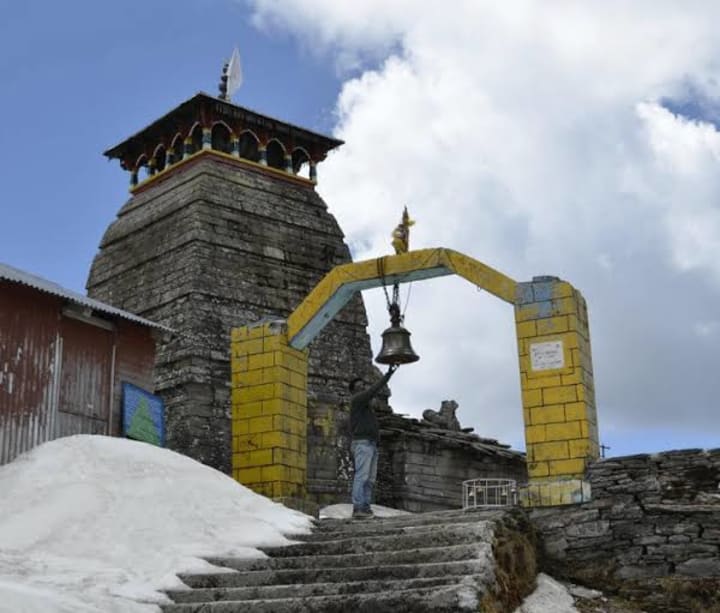
Uttarakhand's tourism minister, Satpal Maharaj, has acknowledged the situation, noting that the government is prioritizing repairs to ensure the temple remains safe for all visitors. The local authorities are working closely with experts from the Geological Survey of India and the Central Building Research Institute to assess the damage and plan restoration efforts. These steps are crucial, especially since the temple attracts numerous visitors each year.
Monsoon season in India typically lasts from June to September, bringing about 90 percent of the country’s annual rainfall in just a few months. The Tungnath Temple, due to its high altitude, is particularly vulnerable to the harsh weather conditions that accompany this season. Reports suggest that climate change is causing monsoon seasons in India to become more erratic and intense. For instance, a report by The Economist in 2021 indicated that rainfall could increase by 5.5 percent in the coming years, further heightening the risks faced by structures like the Tungnath Temple.
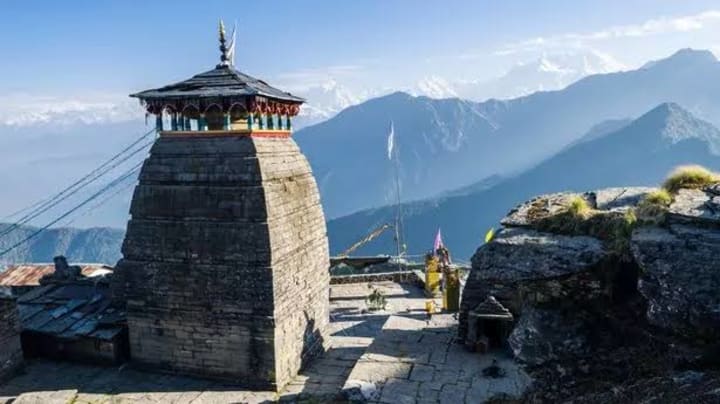
The Tungnath Temple is not just a site of religious importance; it holds cultural significance as well. Dedicated to Lord Shiva, one of the principal deities in Hinduism, the temple attracts devotees from across India and beyond. Shiva is revered in many regions, including Nepal, Bangladesh, Sri Lanka, and even Indonesia. He is often seen as the god who embodies both destruction and creation, playing a central role in the beliefs of Shaivism, one of the largest sects within Hinduism.
Despite its challenges, the Tungnath Temple remains a symbol of faith and devotion for many. The ongoing efforts to repair and restore it demonstrate the commitment to preserving this sacred site for future generations. The local community, along with religious authorities, is hopeful that the necessary steps will be taken to ensure the temple can safely welcome visitors again.
Travelers planning to visit the Tungnath Temple should heed the warnings and consider postponing their trips until the necessary repairs are made. The safety of visitors is of utmost importance, and it is essential to respect the advice of local authorities.
As work begins to address the temple's structural issues, the local government is also looking at long-term solutions to mitigate the impacts of future monsoon seasons. This may include better drainage systems and infrastructure improvements that can withstand the increasing intensity of rainfall.
In conclusion, while the Tungnath Temple holds a significant place in the hearts of many, its current safety concerns cannot be overlooked. The temple’s restoration is a priority for both local authorities and the wider community. With careful planning and timely repairs, there is hope that this iconic temple will continue to stand strong and remain a cherished destination for pilgrims and tourists alike. Visitors are encouraged to stay informed about the temple's status and to respect the ongoing efforts to maintain its integrity.
About the Creator
Wise~Guys
— Look Behind what's in Front of You ~ Make Good Choices — Hey, So how you Doin'..! Made~Men — Mobster Movies romanticise a distinctive, elegant appearance, impeccable attire style, along with the 'Families' expressive lingo. Making their 'Bones' gave them Panache — with vintage fedoras, tailored pin-striped suits, mirror-polished wing-tip shoes adorned with tassels; with their 'Gun Moll' gorgeous dates on their arms.
By Jay Kantor18 days ago in Families
The Farmer and His Three Sons
In a quiet village surrounded by wide fields and dusty paths, there lived a hardworking farmer. His hands were rough from years of working the land, and his face carried the marks of long days spent under the sun. Farming was not just his work; it was his life. Before the sun rose each morning, he would already be walking toward his fields, and after sunset, he would return home tired but grateful.
By Sudais Zakwan7 days ago in Families




Comments
There are no comments for this story
Be the first to respond and start the conversation.