
Roots of the Heart
Sometimes the strongest bonds are the ones we almost forget
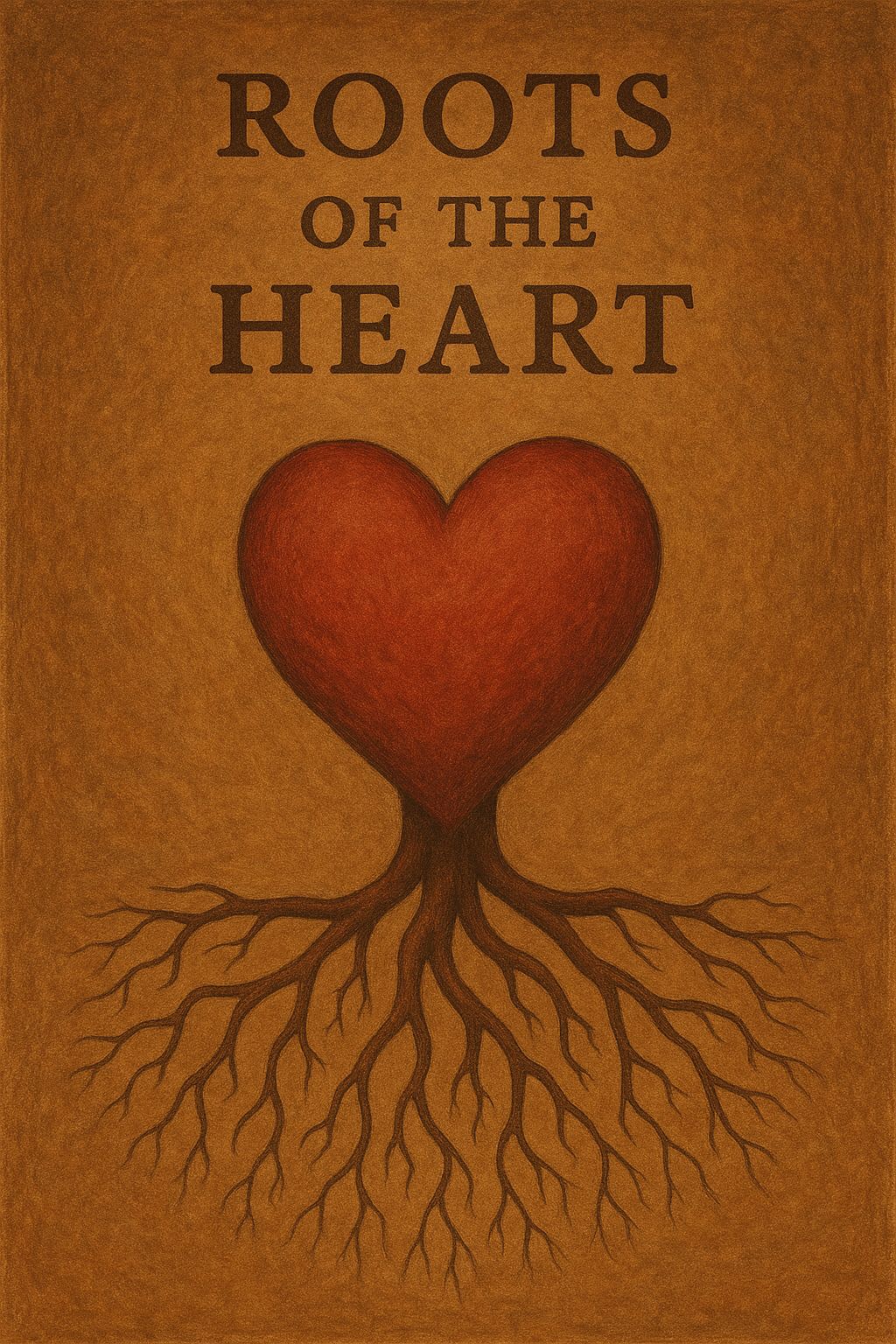
In a small village nestled among golden fields and whispering trees, lived an old man named Baba Yousaf. He had lived in the same house for over 70 years, a place built by his father, and filled with echoes of laughter, prayers, and memories.
Baba Yousaf had three children—two sons, Hamid and Rauf, and a daughter, Salma. Like many families, life had pulled them in different directions. Hamid moved to the city to work in business, Rauf joined the army, and Salma married and settled abroad. They called now and then, visited occasionally, and sent money regularly. But their lives were busy, and Baba Yousaf spent most of his days in silence, sipping tea and watching the fields.
One day, Baba Yousaf fell while tending the garden and broke his hip. A neighbor rushed him to the local clinic and informed the children. For the first time in years, all three arrived together at their childhood home.
It was awkward at first. The house smelled the same, but the walls seemed smaller, the rooms quieter. Their father, now lying in bed, smiled weakly. “You’ve all come together,” he whispered. “That’s worth the pain.”
For the next few weeks, they took turns caring for him. As they did, something began to change. Old photos surfaced, stories were shared, and slowly, the distance between them faded. Hamid confessed he missed the village peace. Rauf, always the tough one, broke down recalling their mother’s death. Salma, who hadn’t spoken much to her brothers in years, cooked their favorite childhood dishes and they all sat on the floor like old times.
One night, as Baba Yousaf lay resting, the power went out. They lit candles and gathered in the courtyard. The stars were clear, and a gentle wind carried the scent of jasmine. Hamid looked at his siblings and said, “Do you remember when we used to sleep out here in summer?”
Rauf nodded, smiling. “And fight over who got the corner spot.”
Salma laughed, “I always won.”
They all laughed. That night, for the first time in years, they felt not like strangers, but family.
The next morning, Baba Yousaf passed away peacefully in his sleep.
His funeral brought the whole village together. And in the days that followed, the siblings made a decision—they would renovate the house, keep it alive, and return every year with their families. Not out of obligation, but because they had remembered something they’d forgotten: Family isn’t just about sharing a name. It’s about showing up, listening, forgiving, and being there—even after years of silence.
Years later, children ran through the same halls, laughter once again filled the courtyard, and under the same starry sky, three siblings sat in the warmth of their family home—stronger, closer, and rooted in l
As time passed, the decision to restore their father’s home became a turning point in all their lives. Hamid began visiting more often with his wife and children. He even started a small business in the village, helping locals sell handmade goods in the city. Rauf retired early from the army and settled nearby, offering to teach discipline and sports at the local school. Salma, once far away across oceans, made it a tradition to spend summers in the house with her kids — who grew to love the smell of earth after rain and the warmth of their ancestral roots.
Together, the siblings created new memories in the very place their earliest ones were formed. They celebrated Eid under lanterns, shared stories over bonfires, and visited their father’s grave every Friday, planting flowers and praying in silence.
The house, once quiet and lonely, now echoed with the life it had nearly lost. It stood not just as a building of bricks, but as a symbol — of healing, of unity, and of a love that may sleep for a while but never dies.
And so, *the roots of the heart*, once buried deep in time, had finally grown back into the light.
About the Creator
Keep reading
More stories from writers in Families and other communities.
Wise~Guys
— Look Behind what's in Front of You ~ Make Good Choices — Hey, So how you Doin'..! Made~Men — Mobster Movies romanticise a distinctive, elegant appearance, impeccable attire style, along with the 'Families' expressive lingo. Making their 'Bones' gave them Panache — with vintage fedoras, tailored pin-striped suits, mirror-polished wing-tip shoes adorned with tassels; with their 'Gun Moll' gorgeous dates on their arms.
By Jay Kantor24 days ago in Families




Comments
There are no comments for this story
Be the first to respond and start the conversation.