
Recognizing Potential Indicators of Child Abuse
Signs to Watch for in Ensuring Children's Safety and Well-being

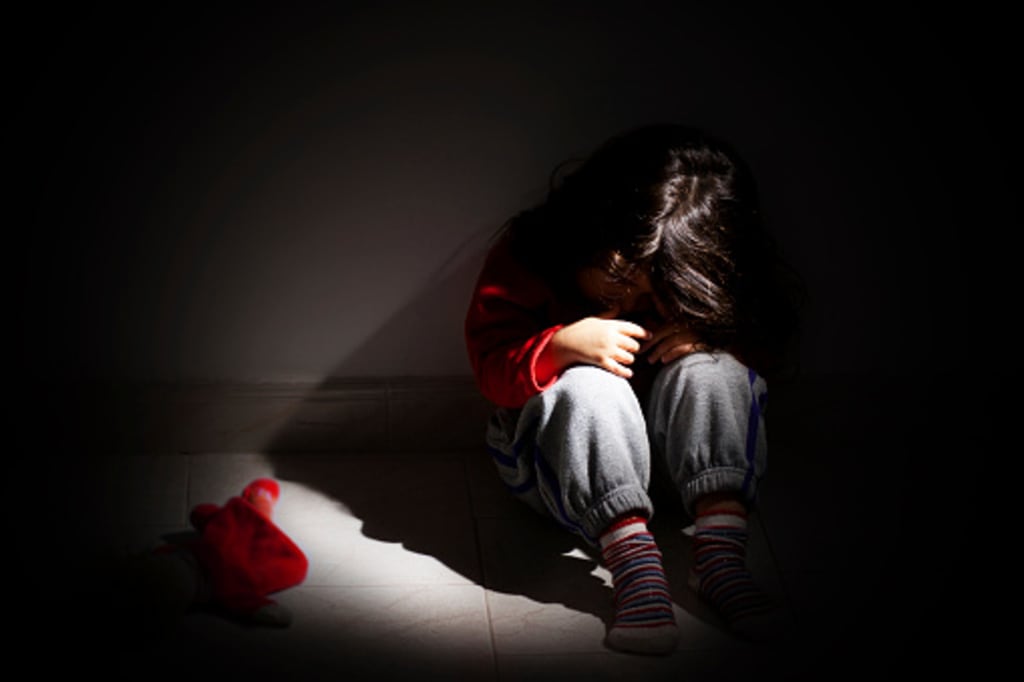
Recognizing signs of potential child abuse is crucial for the well-being and safety of your children. If you suspect abuse, it's vital to consult with a child protection agency or a qualified professional, such as a therapist, counselor, or pediatrician, who can provide guidance and support specific to your situation. Here are some signs that may indicate possible abuse:
1. Physical signs: Unexplained bruises, burns, fractures, or injuries, particularly if they appear repeatedly or are inconsistent with the explanations given. Watch for signs of frequent accidents or injuries that don't match the child's developmental stage.
2. Behavioral signs: Look for sudden changes in behavior or personality, such as withdrawal, aggression, fearfulness, or difficulty trusting others. Children who are being abused may exhibit regressive behaviors, have trouble sleeping, or experience nightmares.
3. Emotional signs: Notice if your child displays extreme mood swings, appears excessively anxious, depressed, or fearful. They may have low self-esteem, show signs of excessive shame or guilt, or have a persistent fear of going home or being around a specific individual.
4. Changes in school performance or attendance: Pay attention to significant changes in your child's academic performance, lack of interest in school, frequent absences, or declining grades. They may also have difficulty concentrating or seem excessively tired in class.
5. Social withdrawal or isolation: If your child suddenly withdraws from activities they previously enjoyed or avoids social interactions, it could be a sign of abuse. They may struggle with forming and maintaining relationships with peers or adults.
6. Inappropriate sexual knowledge or behavior: Be alert to age-inappropriate sexual behaviors, language, or knowledge that your child displays. This could include engaging in sexual play, using explicit sexual language, or demonstrating knowledge beyond their developmental stage.
7. Neglect or lack of basic care: Neglect can be a form of abuse. Signs may include poor hygiene, lack of appropriate clothing for weather conditions, consistent hunger, or unexplained weight loss.
8. Emotional and psychological signs: Look for signs of emotional or psychological abuse, such as constant criticism, humiliation, or belittling. Your child may exhibit low self-esteem, have extreme anxiety or depression, or show signs of emotional instability.
9. Avoidance of specific individuals: Notice if your child consistently avoids or expresses fear of being around a specific person, such as a family member, caregiver, or family friend. They may provide vague or inconsistent explanations for their discomfort.
10. Unexplained absences or running away: If your child frequently runs away from home or has unexplained absences from school or social activities, it could be a sign of abuse or an attempt to escape a harmful situation.
11. Inappropriate knowledge or interest in sexual matters: Be aware of your child displaying explicit sexual behavior, language, or knowledge that is not appropriate for their age. They may mimic adult sexual behaviors or engage in sexual activities with peers.
12. Regression in development: Watch for signs of developmental regression, such as loss of acquired skills, bedwetting, thumb-sucking, or clinging behavior. These behaviors may indicate distress or trauma.
13. Physical symptoms: In addition to visible injuries, be alert to unexplained physical symptoms like stomachaches, headaches, or other psychosomatic complaints. These symptoms may arise due to stress or emotional turmoil.
14. Disrupted relationships with peers: Notice if your child has difficulty forming or maintaining relationships with peers. They may exhibit social withdrawal, isolation, or difficulty trusting others.
It's important to remember that these signs may not definitively indicate abuse, but they should raise concerns and prompt further investigation. If you suspect abuse, reach out to the appropriate authorities or seek guidance from professionals trained in child protection, such as therapists, counselors, or child advocacy organizations. They can provide specialized support and help ensure the safety and well-being of your children.
About the Creator
Keep reading
More stories from Sunmisola Lawal and writers in Families and other communities.
Wise~Guys
— Look Behind what's in Front of You ~ Make Good Choices — Hey, So how you Doin'..! Made~Men — Mobster Movies romanticise a distinctive, elegant appearance, impeccable attire style, along with the 'Families' expressive lingo. Making their 'Bones' gave them Panache — with vintage fedoras, tailored pin-striped suits, mirror-polished wing-tip shoes adorned with tassels; with their 'Gun Moll' gorgeous dates on their arms.
By Jay Kantor28 days ago in Families
Inside Infertility
Infertility isn’t just a “journey.” It’s a quiet heartbreak that repeats itself month after month. I’ve been walking through IUIs and now IVF, doing everything my doctors ask, everything my heart can handle… and still, the hardest part is the waiting. Each cycle begins with the same rhythm: five, six, sometimes seven early morning trips to the doctor. Ultrasounds. Blood draws. Needles sliding into the same veins until they’re tender to the touch. Four or more jabs every month… and still, I whisper to myself, Maybe this will be the one. Then there’s those two weeks where hope and fear sit in your chest like stones. Where you tell yourself not to get excited, not to imagine, but you do anyway.
By Nicole Oliver3 days ago in Families
The Path to Salvation
The late autumn evening air filled the monk's lungs, but it wasn't the season that chilled his bones. The heavy-handed presence of evil he had sensed upon entering the woods surrounding this mountain village had not bothered to conceal itself from him.
By Made in DNA7 days ago in Fiction




Comments
There are no comments for this story
Be the first to respond and start the conversation.