
Raksha Bandhan: A Sibling Festival of Protection and Love
Raksha Bandhan or Rakhi, as it is popularly called, is among India's favourite festivals that marks the inseparable bond of brother and sister. This pious festival, marking the full moon day (Purnima) of the month of Shravan (usually August),
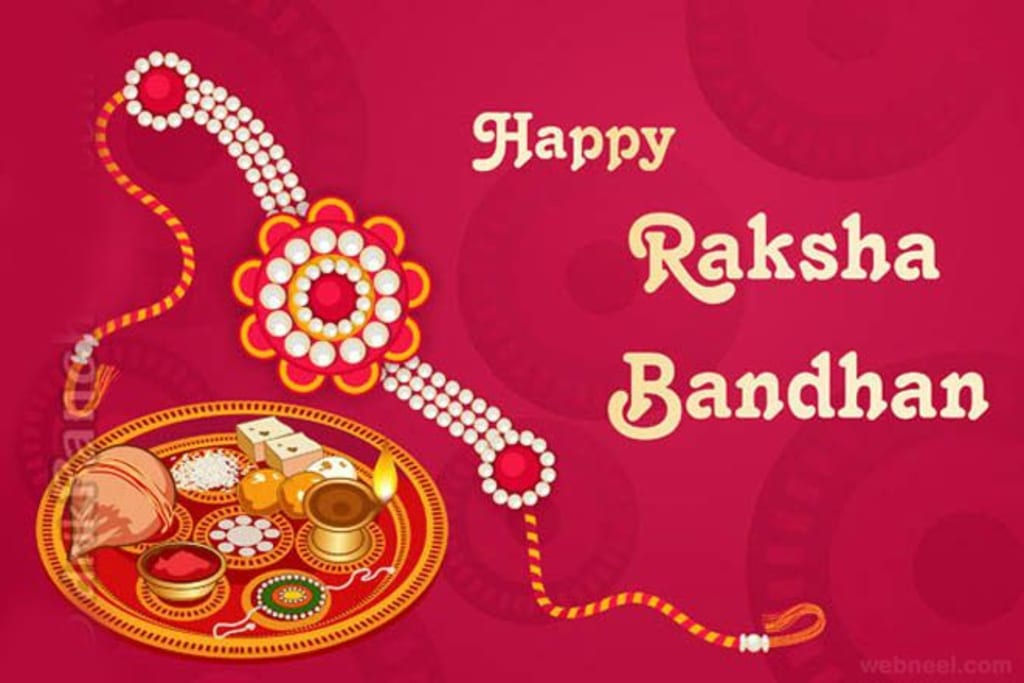
Raksha Bandhan or Rakhi, as it is popularly called, is among India's favourite festivals that marks the inseparable bond of brother and sister. This pious festival, marking the full moon day (Purnima) of the month of Shravan (usually August), is deep-rooted in Indian culture and tradition. The day is devoted to love, promises, and the rejuvenation of the divine sibling relationship.
The Significance of Raksha Bandhan
"Raksha Bandhan" actually means "the bond of protection," i.e., the brother's vow to protect his sister from all kinds of troubles. Even though the festival is primarily that of the siblings, its essence extends to all those who have a protective and loving relationship. The festival encourages love, harmony, and the unity of the family, forgetting caste, creed, and religion.
Mythological and Historical Origins
Raksha Bandhan evolved from several mythological and historical tales, all of which gave the festival its meaning:
Krishna and Draupadi
The most famous myth associated with Raksha Bandhan is that of Lord Krishna and Draupadi. According to the Mahabharata, when Krishna cut his finger, Draupadi tore a piece from her saree and bandaged it on his cut to stop the blood flow. Impressed with this gesture, Krishna vowed to protect her in times of need, which he later in fact did during the infamous disrobing episode in the court of the Kauravas.
Rani Karnavati and Emperor Humayun
The other is the tale of Mewar's Rani Karnavati, who sent rakhi to Mughal Emperor Humayun, appealing for his assistance against Bahadur Shah, the ruler of Gujarat. As a show of the festival's precedence over blood relationship, Humayun marched forth at once to defend her kingdom in response to the sacred bond.
Rituals and Celebrations
Raksha Bandhan is observed with great fervor throughout India and by Indian diaspora communities worldwide. The celebrations start with brothers and sisters getting dressed in their best traditional outfits, and the festivities continue with a series of rituals:
1. Puja and Aarti: Relatives gather to conduct a brief puja, making prayers to gods for prosperity and safety.
2. Tying of the Rakhi: Sisters tie a decorative band, or rakhi, around the wrists of their brothers reciting prayers for their safety.
3. Tilak and Sweets: The forehead of the brother is smeared with a tilak (vermilion mark) and sweets are then exchanged.
4. Gift Giving: Brothers express their gratitude in the form of gifts, promising to defend and support their sisters.
Raksha Bandhan in Contemporary Times
With changing times, Raksha Bandhan has transcended its original fold as well. Sisters now tie rakhis on their biological brothers, yes, but also on cousins, best buddies, and even gurus who have protected them with their arm in the past. The Raksha Bandhan festival has gained significance in the promotion of gender equality and social harmony with people tying rakhis on others' wrists as a symbol of demonstrating respect and care for the other.
Further, digitalization has revolutionized the way Rakhi is celebrated. Brothers and sisters living apart send rakhis and gifts through online media, and the spirit of the festival is never lost despite distances.
Cultural Differences in India
Despite the core of Raksha Bandhan remaining the same, different locations in India celebrate the festival differently:
•Manchester (Narali Purnima): Fishermen observe this day by offering coconuts to the ocean, seeking protection and prosperity.
• West Bengal and Odisha (Jhulan Yatra): The festival also coincides with the celebration of God Krishna's divine love for Radha.
• Rajasthan (Lumba Rakhi): Sisters tie rakhis not just to their brothers but even sisters-in-law (Bhabhis) as a symbol of familial attachment.
• Uttar Pradesh & Bihar: "Kajari Purnima," a festival related to agricultural prosperity, is also celebrated by people here.
The Universal Message of Raksha Bandhan
Apart from its religious and cultural background, Raksha Bandhan has a secular message of love, concern, and care. It reminds us of the significance of family bonds, respect for each other, and appreciating the presence of loved ones in times of good and bad luck.
In the present times, with relationship taking a backseat because of hectic schedules, Raksha Bandhan becomes a lovely reminder to preserve and celebrate our bonds. It is a time to thank, strengthen relationship, and welcome the real essence of togetherness.
Conclusion
Raksha Bandhan is not a festival, but an emotion that represents the purity of brother and sisterly love. Whether practiced traditionally or by adopting modern modifications, the festival continues to be an integral part of Indian society. As brothers pledge protection with sisters tying the sacred thread, Raksha Bandhan continues to be a celebration through ages of love, harmony, and devotion, representing the importance of family bonds in society.
About the Creator
Keep reading
More stories from Shahjahan Kabir Khan and writers in Families and other communities.
The Country Where Men Raise Babies—and Love Every Minute of It
In many countries, taking care of babies is mostly regarded as a mother's responsibility. This is not, however, the situation in Denmark. Fathers in this country embrace the difficulty of restless evenings, stroller walks, and diaper changes, hence demonstrating that raising children is a collaborative and happy task. Find out why men in Denmark are as devoted to fathering as their spouses, making it the sole country worldwide.
By Shahjahan Kabir Khan5 months ago in Families
Wise~Guys
— Look Behind what's in Front of You ~ Make Good Choices — Hey, So how you Doin'..! Made~Men — Mobster Movies romanticise a distinctive, elegant appearance, impeccable attire style, along with the 'Families' expressive lingo. Making their 'Bones' gave them Panache — with vintage fedoras, tailored pin-striped suits, mirror-polished wing-tip shoes adorned with tassels; with their 'Gun Moll' gorgeous dates on their arms.
By Jay Kantor19 days ago in Families
Buddha's Inner Peace
In a world that never stops moving, the image of Buddha sitting in perfect stillness beneath the Bodhi tree offers something we desperately need: a reminder that true peace exists not outside ourselves, but within. The story of Buddha's enlightenment isn't just an ancient tale—it's a roadmap to discovering the profound calm that lies dormant in each of us.
By Susmit Bhowmik5 days ago in Families




Comments
There are no comments for this story
Be the first to respond and start the conversation.