
Prisoner of the Screen
How a harmless habit turned into invisible chains


The faint glow of the screen was the first thing Daniel saw every morning. Before his eyes fully adjusted to the sunlight streaming through the curtains, his fingers were already swiping, scrolling, and tapping. Notifications popped up like fireworks—messages, updates, likes, and endless streams of videos that demanded his attention. It felt harmless at first, almost necessary, as though the screen was a loyal friend waiting for him every dawn. But what Daniel didn’t realize was that he was slowly becoming a prisoner, chained not by steel, but by pixels.
Daniel had always been a curious soul, once known for his laughter, long walks, and conversations that carried deep into the night with friends. But somewhere along the way, his phone replaced all of that. He would sit at the dinner table, nodding absentmindedly as his family spoke, his eyes glued to memes and reels. He promised himself every night that tomorrow he would use his time better, but morning always reset that vow. The screen had become a silent master, whispering, just five more minutes, until those minutes piled into hours.
It wasn’t just Daniel’s time that the screen stole—it was his relationships. His younger sister stopped sharing stories with him because she knew he was half-listening. His mother grew tired of calling his name multiple times before he would respond. His friends invited him out less often, knowing he would decline with the excuse of being “busy,” though in truth, he was never busy with anything more than scrolling through endless feeds.
One Friday evening, Daniel sat on his bed, the room dark except for the phone’s glow painting his face pale. His phone buzzed with a notification: “Your screen time this week has increased by 25%.” He blinked at the words, feeling a sting in his chest. The number was staggering—forty-five hours in just one week. Almost two full days lost. The realization made him uneasy, but instead of setting the phone aside, he found himself scrolling again, trying to bury the discomfort under more content.
Then something strange happened.
As midnight crept in, Daniel noticed a faint reflection on the screen. At first, it was his own tired face, but then the reflection blinked differently than he did. He froze. The reflection smirked, though his own lips had not moved. The figure in the screen leaned closer, as though alive.
“You’ve been here a while, haven’t you?” the reflection whispered.
Daniel dropped his phone in shock. The device landed softly on the blanket, still glowing. His heart pounded. He told himself he was imagining it, just fatigue messing with his mind. But when he picked up the phone again, the figure was still there, smiling slyly.
“Who… who are you?” Daniel stammered.
“I’m what you’ve made me,” the figure replied. “I’m every hour you’ve poured into this screen. I’m the life you traded away. And now, you belong to me.”
Daniel wanted to throw the phone across the room, but his hands felt glued to it. His eyes were locked on the reflection, unable to look away. His body trembled, but his thumb still scrolled, as if controlled by something other than his will.
Days blurred into nights. Daniel barely noticed when his meals went cold, when his assignments piled up, or when his friends’ messages grew fewer. He was trapped. The reflection on the screen grew clearer with time, no longer just a shadowy version of himself, but a dark twin that mocked his every move. Sometimes it laughed when he stayed up until dawn; other times it whispered in a voice colder than stone: Why stop now? You’ve already wasted so much.
The breaking point came one evening when Daniel’s mother entered his room. “Dinner’s ready,” she said softly, her voice carrying both love and exhaustion. Daniel didn’t respond. She waited, but his eyes never left the screen. With a sigh, she placed a plate beside him and left. Hours later, when he finally looked away, the food was untouched, cold and unappetizing.
Something inside Daniel cracked. He looked around his room—it was messy, cluttered with clothes, notebooks, and empty cups. The silence was heavy, suffocating. He realized he hadn’t spoken a full sentence to anyone in days. A hollow loneliness clawed at him, sharper than any hunger.
The reflection on the screen grinned. “See? This is your world now. Just you and me.”
Daniel shook his head violently. “No. I can’t live like this.”
For the first time in weeks, he forced himself to lock the phone and toss it on the desk. His hands shook as if breaking chains. He stepped outside, the cool night air hitting his face like a splash of water. The stars above blinked brightly, unfiltered by pixels. The silence of the real world was so profound it almost hurt his ears, but it was real—painfully, beautifully real.
That night, Daniel couldn’t sleep. The craving for the screen gnawed at him, louder than thirst or hunger. But he resisted. The next morning, he deleted the most addictive apps, his fingers trembling with each press. It felt like tearing off pieces of himself.
The first few days were brutal. He felt restless, bored, even angry. Every few minutes his hand reached for the phone, only to find it empty of the endless noise he had once drowned in. But slowly, like fog lifting from a valley, the world outside began to reappear. He noticed the laughter of children playing in the street, the warmth of tea shared with his mother, the simple joy of walking without a device in his hand.
Weeks later, Daniel met his old friends again. They joked about how he had “disappeared,” but beneath their teasing, he felt their relief. For the first time in months, he laughed—a full, genuine laugh that wasn’t triggered by a meme or a video, but by the presence of people he cared about.
The reflection on the screen still haunted him sometimes. At night, when he unlocked his phone to check a message, he swore he could see a faint smirk in the glow. But now Daniel had something stronger—the will to turn the phone off, to step away before the screen could trap him again.
He wasn’t fully free yet. Maybe he never would be. But he was no longer a prisoner. He had found the key, and the key was choice.
The screen had once chained him, but now he held the power to look away.
About the Creator
Sajid
I write stories inspired by my real-life struggles. From growing up in a village to overcoming language barriers and finding my voice, my writing reflects strength, growth, and truth—and speaks to the heart.
The Last Letter From My Mother
Life moves very fast. Sometimes we are so busy chasing our dreams that we forget the people who love us the most. A few years ago, I was living in another city because of my job. My life was busy. Every day, I worked long hours, met new people, and tried to build a better future. I thought success and money were the most important things in life. I had little time for anything else, and I often ignored the small things that truly mattered.
By Muhammad Tanveer4 days ago in Families
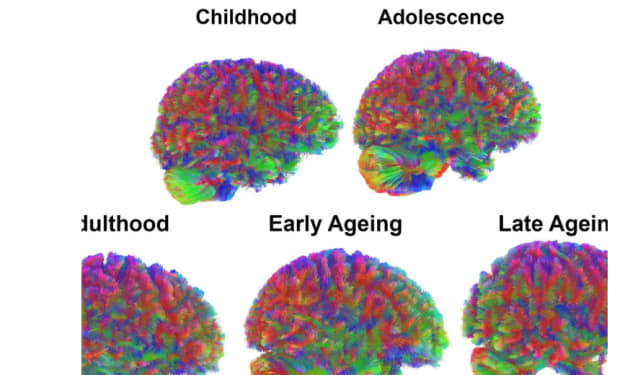
The "most crucial" ages for human brain growth, maturity, intelligence, and general ability are four.
From the time of our birth until the very end of our lives, our brains undergo gradual changes. These shifts influence how we learn, think, remember, and react to the world. They might be gradual at times or abrupt at others.
By Francis Damia day ago in Families
Who is your "Person"?
It's important to recognize that you cannot go through life as easily on your own. My name is Elizabeth and I'm a survivor of child abuse and horrific trauma. Healing from trauma is not a quick fix and recognizing that it will take time, is part of the struggle.
By Elizabeth Woods7 days ago in Psyche


Comments
There are no comments for this story
Be the first to respond and start the conversation.