
Preschool parents: Help is on the way
Tips to make days less stressful and more fun


Preschoolers have limited attention spans and need a lot of supervision so how do you keep them engaged and safe and still get anything else done without just plopping them in front of a screen?
With the pandemic still forcing many parents to care for young children full-time or work from home and care for preschoolers, I decided to get input from an expert who taught preschool for over 30 years.
After all, preschool teachers keep their sanity with a roomful of young kids day after day so they must know some things that can help moms and dads.
It's been over 20 years since my sons were in preschool but their teacher is still a good friend so I asked her for some tricks of the trade. In addition to being one of the wisest women I know, Pat is a master at understanding the mindset and developmental needs of young children.
"It starts with structure and setting up activity areas that guide young children while giving them options," says Pat. "Consistency helps preschoolers feel secure which is especially important right now."
Here are her suggestions for making their day -- and yours -- less stressful and more fun.
CREATE A DAILY ROUTINE
It doesn't have to be too rigid, but it's good to have a general plan for your day. Children are more inclined to feel positively about things that they’ve had a say in so ask your child to help you come up with the daily plan (using a list of activities that you establish). Write it on a piece of paper and tape it to the wall where they can see it, and refer to it throughout the day to set expectations. You can also designate a special activity to do together each day, such as cooking on Monday, gardening on Tuesday, etc.
SET UP STATIONS
In preschool, learning stations give children choices but also help direct their play. Find places at home to set up stations where they have what they need to play independently (at least for a short time) and can still be supervised by you as you work or do other tasks.
Try to include areas for:
READING
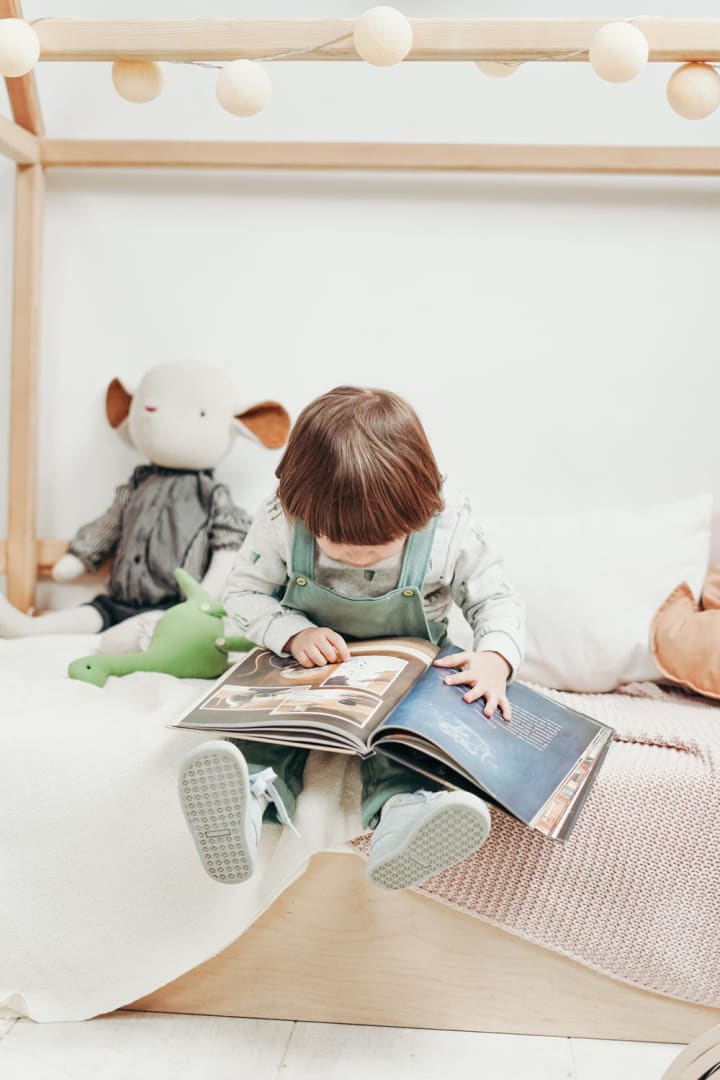
This can be as simple as putting some pillows on the floor with books in a basket. Or, you can put up a ‘Library’ sign and place books (covers facing out) on a shelf at their height. Rotate some of the books every week so there is always something different for them to explore but keep their favorites available too. Most preschoolers can’t read but they still enjoy spending time with picture books and often remember the story as they move through the book or even make up their own version — a great way to boost their imaginations.
ART
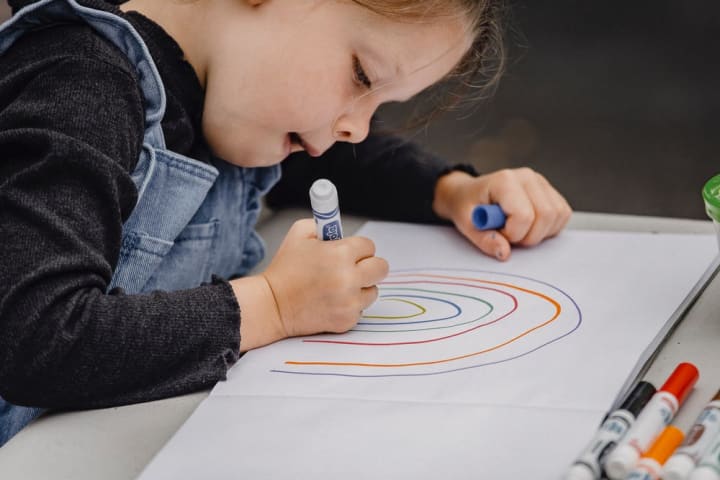
Gather simple materials like crayons, blunt scissors, and paper and keep them in a container in an area where children can create. If you have a small table, great. If not, young children like working on the floor because it grounds them and encourages calmness. Using a prompt can help them get started. For instance, ask them to trace their hand (or do it for them), and then tell them to decorate it. Or, print out a famous painting and tell them to create their version of it. If the weather permits and you have an outdoor area with cement, give your child some sidewalk chalk to draw whatever they dream up.
BUILDING
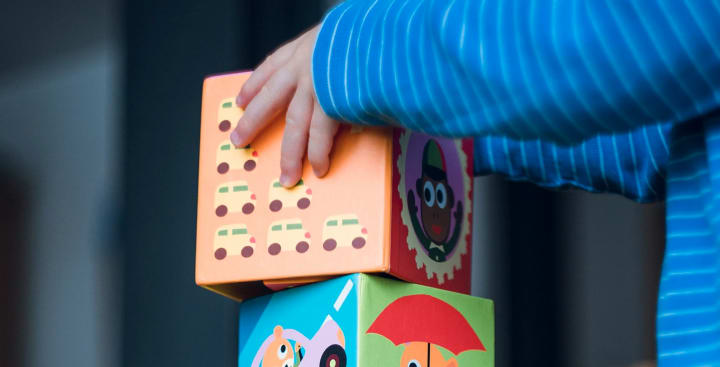
Define an area with a small blanket or a flattened cardboard box and leave out Legos, blocks, small construction toys, and puzzles. Building activities help young children with problem solving, math, motor skills, creativity and more. Pat suggests making the toys as open-ended as possible to encourage imagination rather than kits that prescribe what should be built.
PHYSICAL ACTIVITY
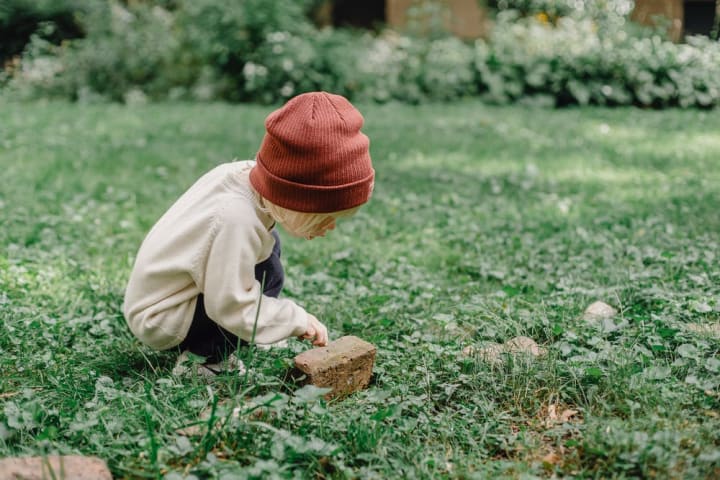
Children need to play but play doesn’t mean running around in circles screaming. The longer they do that, the longer it will take to calm them down. Incorporate time for movement at least once during the day and give them a space to hop, jump, march, or set up a small obstacle course, preferably outside. It can be as simple as marching around the house while singing a favorite song or putting down a trail of washcloths and having your child hop from one to the next as they say their numbers or ABCs.
SNACK AND LUNCH
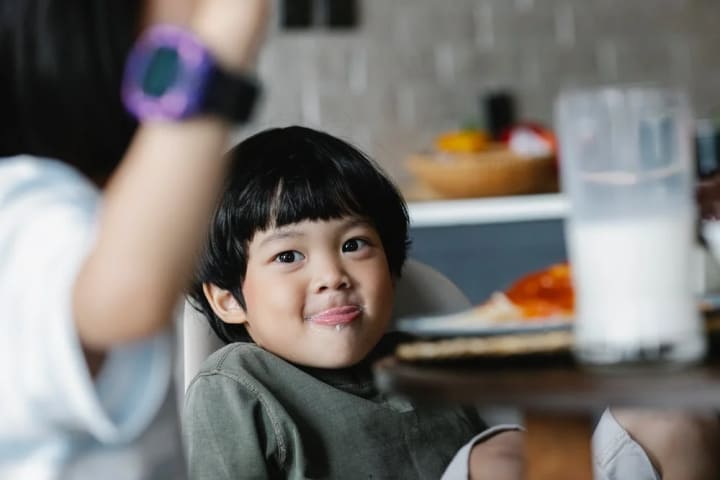
Let’s face it, we all enjoy a chance to recharge. With preschoolers, having lunch and snack breaks around the same time every day is comforting and reinforces the sense of routine. It’s also a good time for you to take a break and give them some dedicated attention. If your child has a favorite lunchbox, put their food in it and let them take it to the table just like they would at school. Focus on healthy options and limit sugar to help keep their mood and energy levels more stable.
KUDOS
Thanks for putting in the hard work of parenting! While there’s no such thing as perfect parenting, a small change can sometimes result in big rewards. Hopefully you'll find something here that can help make your days easier and give your preschooler the routine they crave and more practice playing independently. My sons are now in their 20s and as the saying goes, the days are long but the years are short so enjoy your wee ones while you can.

If this article was helpful, please give it a ‘like’ and pass it on. Thank you!
About the Creator
Julie Thompson
Left corporate copywriting in the rearview to enjoy life without a commute. Finally writing a screenplay and musing about this new chapter on my blog, Born a Homebody.
Keep reading
More stories from Julie Thompson and writers in Families and other communities.
Christmas Abroad: Celebrating the Holidays Without Family
I moved to South Korea in 2017. I was twenty-two years old and excited to start my career as an English Second Language Teacher. With a Bachelor's degree and six hundred dollars in my bank account, I set off for Busan.
By Kera Hollowabout a month ago in Families



Comments
There are no comments for this story
Be the first to respond and start the conversation.