
Poached Fresh Squid
How to Make Boiled Squid: A Simple and Delicious Dish

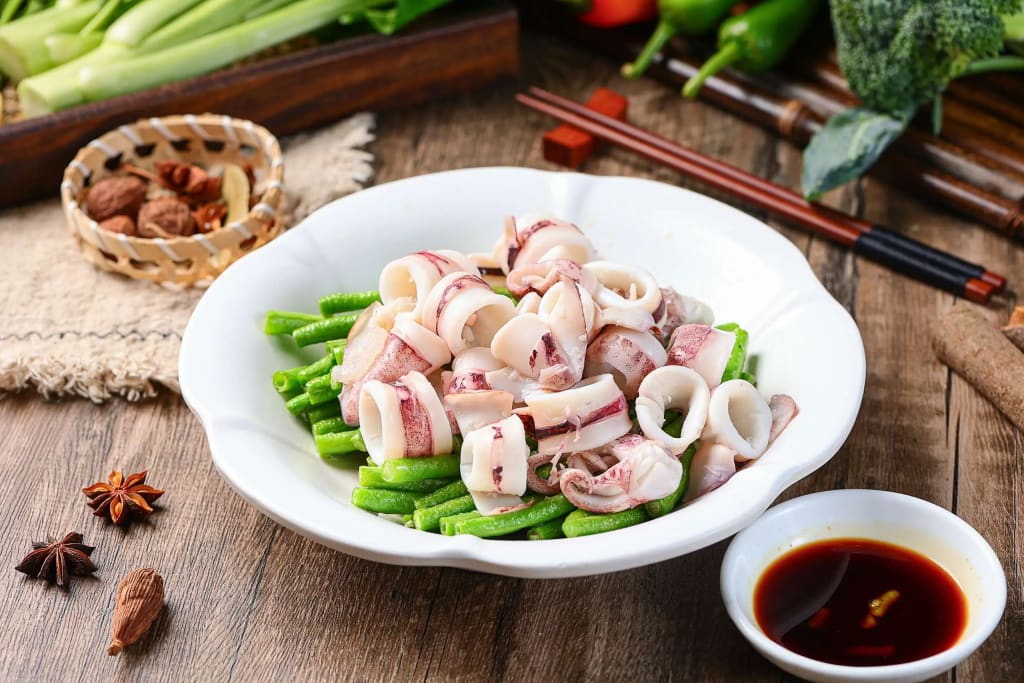
Squid, a remarkable seafood, is not only a delight to the taste buds but also a powerhouse of nutrition. Packed with high - quality protein, vitamins like B12, and minerals such as selenium, it offers a healthy addition to any diet. This versatile ingredient can be transformed into a variety of mouth - watering dishes, with boiling standing out as one of the simplest yet most rewarding cooking methods. The result is tender, flavorful squid that can grace your table as an appetizer, a main course, or a side dish. In this comprehensive guide, we will walk you through the process of making boiled squid step by step, while also sharing some valuable tips and tricks to ensure that your squid turns out flawlessly every single time.
Ingredients
1 pound of fresh squid: Freshness is key here. Look for squid that has firm, elastic bodies and a shiny appearance. The ideal squid should emit a mild, ocean - fresh scent, not a strong, off - putting fishy odor. Cleaning and preparing the squid correctly is crucial.
1 quart of water: This forms the base of our boiling liquid, providing a medium to cook the squid evenly.
1/4 cup of white vinegar: Adds a subtle tang to the boiling liquid, which helps in tenderizing the squid and also enhances the overall flavor.
1 tablespoon of salt: Not only does it season the squid, but it also plays a role in bringing out the natural flavors of the seafood.
1 teaspoon of black peppercorns: These add a spicy, earthy note to the boiling liquid, infusing the squid with a rich, complex flavor.
1 bay leaf: Contributes a distinct herbal aroma that complements the squid's natural taste.
2 cloves of garlic, minced: Garlic imparts a pungent, savory flavor that pairs beautifully with the squid.
2 tablespoons of olive oil: Used in the dressing, it gives the squid a smooth, rich mouthfeel.
1/4 cup of chopped fresh parsley: Adds a burst of freshness and a pop of color to the finished dish.
Lemon wedges, for serving: The acidic juice of the lemon cuts through the richness of the squid, adding a bright, zesty element to each bite.
Instructions
Prepare the squid: Begin by handling the squid with care. Grasp the head firmly and pull it away from the body. As you do this, the innards will usually come out attached to the head. Discard both the head and the innards. Next, use your fingers to gently peel off the thin, purplish skin that covers the squid body. This skin can be a bit slippery, so take your time. After that, rinse the squid bodies thoroughly under cold, running water to remove any remaining traces of sand or impurities. Pat them dry with a paper towel to ensure that they cook evenly. Now, take a sharp knife and carefully score the inside of the squid bodies in a crisscross pattern. Make sure not to cut all the way through; you want the incisions to be about a quarter of the way deep. This scoring helps the squid absorb the flavors of the boiling liquid and also ensures that it cooks evenly, preventing it from curling up too much during the cooking process.
Make the boiling liquid: In a large, sturdy pot, pour in the quart of water. Add the 1/4 cup of white vinegar, 1 tablespoon of salt, 1 teaspoon of black peppercorns, 1 bay leaf, and the minced 2 cloves of garlic. Place the pot over high heat and bring the mixture to a rolling boil. Once it reaches a boil, reduce the heat to medium. Let the liquid simmer gently for 5 - 10 minutes. During this time, the flavors of the ingredients will meld together, creating a fragrant and flavorful broth that will infuse the squid with deliciousness.
Boil the squid: With the boiling liquid ready, it's time to add the prepared squid. Gently lower the squid into the pot, making sure that every piece is fully submerged in the liquid. The cooking time depends on the size of the squid. Smaller squid, which are usually more tender, may only need 1 minute of cooking time. Larger squid, on the other hand, might require up to 2 minutes. Keep a close eye on the squid as it cooks. It is done when it turns from a translucent, almost see - through color to an opaque white and feels firm to the touch. Overcooking the squid is a common mistake to avoid. If you leave it in the boiling liquid for too long, it will become tough and rubbery, losing its pleasant texture.
Drain and cool the squid: As soon as the squid is cooked to perfection, use a slotted spoon or a pair of tongs to carefully lift it out of the boiling liquid. Transfer it to a colander placed in the sink. Let the squid drain for a few minutes to get rid of any excess liquid. After that, transfer it to a clean plate or a cutting board. Let it cool slightly, but not for too long. You want the squid to still be warm when you move on to the next step.
Slice the squid: Once the squid has cooled just enough to handle without burning your fingers, pick up a sharp knife. You can choose to slice the squid into rings or strips, depending on your personal preference. If you prefer bite - sized pieces for an appetizer, slicing it into rings is a great option. For a more substantial main course, strips might be more suitable.
Dress the squid: In a small, shallow bowl, pour in the 2 tablespoons of olive oil. Add the 1/4 cup of chopped fresh parsley. Use a small whisk or a fork to mix the ingredients together thoroughly. The olive oil will take on the bright green color of the parsley, creating a visually appealing dressing. Now, drizzle this dressing over the sliced squid. Use a pair of tongs or a spatula to toss the squid gently, making sure that every piece is coated evenly with the dressing. Season the squid with a little more salt and pepper according to your taste. The salt will enhance the flavors further, and the pepper will add a bit of a spicy kick.
Serve the squid: Transfer the dressed squid to an attractive serving platter. Arrange the lemon wedges around the squid. The bright yellow of the lemon wedges against the white of the squid makes for an eye - catching presentation. Serve the squid immediately, while it is still warm. The warm squid, combined with the fresh dressing and the zesty lemon, creates a harmonious blend of flavors and textures that will surely delight your guests.
Tips and Tricks
Use fresh squid: As mentioned earlier, fresh squid is the foundation of a great boiled squid dish. When shopping for squid, look for specimens that are firm to the touch, with a shiny, almost iridescent skin. Avoid any squid that feels soft, mushy, or has a slimy texture. The smell is also a crucial indicator. Fresh squid should smell like the ocean, not like a decaying fish.
Clean the squid thoroughly: Thorough cleaning is essential to remove any sand, grit, or unwanted parts. Make sure to remove all the innards, including the ink sac if it's still present. The ink can make the squid taste bitter. Rinse the squid multiple times under cold water to ensure that it's completely clean.
Score the squid: Scoring the squid is a simple yet effective technique. It allows the boiling liquid to penetrate the squid more easily, resulting in a more flavorful and evenly cooked dish. The crisscross pattern also gives the squid an interesting texture.
Don't overcook the squid: Squid is very sensitive to cooking time. A few seconds too long can turn it from tender and delicious to tough and unappetizing. Keep a close eye on the clock and the appearance of the squid while it's boiling.
Let the squid cool slightly before slicing: This makes it easier to handle the squid without it falling apart. However, don't let it cool completely, as warm squid absorbs the dressing better.
Dress the squid while it's still warm: The warmth of the squid helps the dressing to be absorbed more effectively, enhancing the flavor of the dish. The olive oil and parsley dressing will cling to the warm squid, adding a rich, fresh taste.
Serve the squid with lemon wedges: The lemon juice provides a refreshing contrast to the richness of the squid and the dressing. Squeezing a little lemon juice over each bite of squid can elevate the overall taste experience.
Conclusion
Boiled squid is truly a simple and delicious dish that is suitable for any occasion. Whether you're hosting a fancy dinner party or just looking for a quick and healthy weeknight meal, this recipe fits the bill. With just a handful of ingredients and a few straightforward steps, you can create a mouth - watering dish that will impress your family and friends. Remember the importance of using fresh squid, cleaning it properly, scoring it, and being vigilant about the cooking time. By following these tips and tricks, you'll be well on your way to making perfect boiled squid every time. So, roll up your sleeves, gather your ingredients, and get cooking. Your taste buds will thank you!
About the Creator
hello-word
As a Chinese person, love for the culture of my own country. Nowadays, the global exchange of information is becoming increasingly rapid. I also hope that more people can gain a deeper and more detailed understanding of Chinese culture.
Keep reading
More stories from hello-word and writers in Families and other communities.
Exploring the Winged Birds in the Classic of Mountains and Seas
Within the pages of the "Shan Hai Jing," a world of mythical wonders unfolds, and among these is the enchanting and iconic creature, the Bi Yi Bird. Revered and celebrated, this avian symbol has woven itself into the fabric of Chinese mythology, culture, and the human imagination.
By hello-word12 months ago in Marriage
My Favorite Slime Recipe
A few years ago, making your own slime was all the rage. People swapped recipes and even swapped slimes. Now, you can buy all the pre-made slime you want, in a variety of colors, textures, and themes. But there is something special about creating your own slime. This activity is great for keeping children busy on a rainy day, or helping them learn to follow step by step directions.
By Angel Mann6 days ago in Families
Punch the Macaque: The Baby Monkey Who Found Comfort in a Plush Friend
Today we look back at one of the most unexpected viral stories of 2025—a tale that began quietly in a zoo in Japan and grew into a global symbol of resilience and tenderness. It is the story of Punch, a Japanese macaque born in July 2025 at Ichikawa City Zoo in Chiba Prefecture. His life began with hardship, but what followed has touched millions across the world.
By Haroon Pasha2 days ago in Families




Comments
There are no comments for this story
Be the first to respond and start the conversation.