
Pest Control for Renters: What You Need to Know
Ultimate Guide of Pest Control for Renters

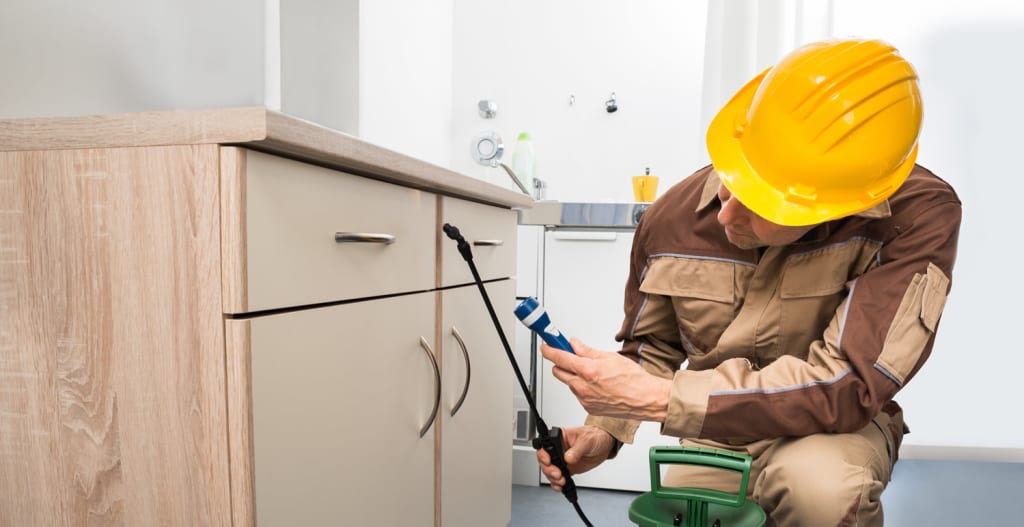
Renting a home comes with its own set of responsibilities and challenges. One of the issues that renters in Brisbane might face is dealing with pests. From ants and cockroaches to rodents and termites, pests can invade your living space, causing discomfort and health risks. Knowing how to handle pest control in a rental property is essential for maintaining a clean and safe home. In this guide, we'll explore everything renters need to know about pest control in Brisbane.
Understanding Your Responsibilities and Rights
Before tackling a pest problem, it's important to understand your responsibilities and rights as a renter. These can vary depending on your lease agreement and local laws, but here are some general guidelines:
Landlord Responsibilities: In many cases, landlords are responsible for ensuring the rental property is habitable and pest-free at the start of the tenancy. This includes addressing any pre-existing pest issues.
Renter Responsibilities: Renters are typically responsible for maintaining cleanliness and preventing conditions that attract pests. This means regular cleaning, proper food storage, and reporting pest issues to the landlord promptly.
Lease Agreement: Check your lease agreement for specific clauses related to pest control. Some agreements may outline who is responsible for pest management and under what circumstances.
Common Pests
Warm and humid climate makes it an ideal environment for various pests. Here are some common pests that renters might encounter:
Ants: Often found in kitchens and around food sources.
Cockroaches: Thrive in warm, moist areas like kitchens and bathrooms.
Rodents: Mice and rats can invade homes in search of food and shelter.
Termites: Can cause significant structural damage if left untreated.
Spiders: Common in dark, undisturbed areas like closets and garages.
Mosquitoes: Can breed in standing water and enter homes through open windows and doors.
Preventive Measures for Renters
Preventing pests is easier than dealing with an infestation. Here are some tips to keep your rental property pest-free:
Keep It Clean: Regularly clean your home, especially the kitchen and dining areas. Dispose of garbage promptly and clean up spills and crumbs.
Store Food Properly: Keep food in airtight containers and avoid leaving pet food out overnight.
Seal Entry Points: Check for gaps, cracks, and holes around doors, windows, and walls. Seal these entry points to prevent pests from entering.
Fix Leaks: Repair any leaks or standing water sources, as these can attract pests like cockroaches and mosquitoes.
Proper Ventilation: Ensure your home is well-ventilated to reduce humidity levels, which can deter pests.
Report Issues Promptly: If you notice any signs of pests, report the issue to your landlord immediately. Early intervention can prevent a small problem from becoming a major infestation.
DIY Pest Control Methods
For minor pest issues, you can try some do-it-yourself pest control methods. Here are a few effective options:
Bait Stations: Use bait stations for ants, cockroaches, and rodents. These contain poison that pests take back to their nests, eliminating the colony.
Insect Traps: Set up traps for flies, mosquitoes, and other flying insects. Sticky traps and light traps work well.
Natural Repellents: Use natural repellents like essential oils (e.g., peppermint, lavender) to deter pests. These can be sprayed in areas where pests are active.
Diatomaceous Earth: This natural powder can be sprinkled in areas where pests travel. It dehydrates and kills insects like ants and cockroaches.
When to Call Professional Pest Control
Sometimes, a pest problem can be too severe for DIY methods. In such cases, it's best to call in the experts. Professional pest control services in Brisbane offer several benefits:
Expert Knowledge: Professionals can accurately identify the type of pest and the extent of the infestation. They can recommend the most effective treatment methods.
Advanced Techniques: They use advanced tools and products that are more effective than over-the-counter solutions. This ensures thorough pest eradication and long-term prevention.
Safety: Trained technicians ensure the safe application of pest control methods, minimizing risks to your health and the environment.
Peace of Mind: Hiring a professional pest control service provides peace of mind, knowing that your home is protected from pests. Many companies also offer guarantees, ensuring that the problem will be resolved.
Communicating with Your Landlord
Effective communication with your landlord is crucial when dealing with a pest problem. Here are some tips for addressing the issue:
Document the Problem: Take photos and keep records of any pest sightings or damage. This documentation can support your case when reporting the issue to your landlord.
Report Promptly: Inform your landlord of the pest problem as soon as possible. Early reporting can prevent the infestation from worsening.
Follow Up: If your landlord agrees to address the issue, follow up to ensure that the necessary pest control measures are taken.
Know Your Rights: If your landlord is unresponsive or unwilling to address the pest problem, familiarize yourself with local tenant rights and seek advice from a tenant advocacy group if necessary.
Seasonal Pest Control Tips
Different seasons bring different pest challenges. Here are some seasonal pest control tips for renters in :
Spring and Summer
Mosquito Control: Remove standing water from gutters, birdbaths, and plant saucers to prevent mosquito breeding.
Ant Prevention: Keep food sealed and clean up spills promptly to deter ants.
Termite Inspections: If you suspect termites, report this to your landlord immediately. Termites are most active in warm weather and can cause significant damage.
Autumn and Winter
Rodent Control: Seal entry points and store food properly to prevent rodents from seeking shelter indoors.
Cockroach Prevention: Maintain cleanliness and fix leaks, as cockroaches tend to seek warm, moist environments during cooler months.
Conclusion
Pest control is a vital aspect of maintaining a clean and safe rental home. As a renter, understanding your responsibilities and knowing how to prevent and address pest problems can make a significant difference. Whether you choose DIY methods or seek professional help, taking prompt and effective action is key. By keeping your home clean, sealing entry points, and communicating with your landlord, you can ensure a pest-free living environment. Remember, proactive pest control measures not only protect your health and property but also contribute to a more comfortable and enjoyable rental experience.
About the Creator
Keep reading
More stories from Samuel Rodgers and writers in Families and other communities.
DIY Pest Control: When to Save Money and When to Call the Pros
Dealing with pests in your home can be a real headache. Whether it's ants in the kitchen or spiders in the basement, pests are not just annoying; they can also cause damage and spread diseases. You are probably no stranger to the variety of pests that thrive in its warm climate. This brings us to an important question: When should you handle pest control yourself, and when is it best to call in the professionals? Let’s explore both options to help you make an informed decision about pest control in Brighton or your residential area.
By Samuel Rodgers2 years ago in Families
Wise~Guys
— Look Behind what's in Front of You ~ Make Good Choices — Hey, So how you Doin'..! Made~Men — Mobster Movies romanticise a distinctive, elegant appearance, impeccable attire style, along with the 'Families' expressive lingo. Making their 'Bones' gave them Panache — with vintage fedoras, tailored pin-striped suits, mirror-polished wing-tip shoes adorned with tassels; with their 'Gun Moll' gorgeous dates on their arms.
By Jay Kantor17 days ago in Families



Comments
There are no comments for this story
Be the first to respond and start the conversation.