
Oral Collagen Supplements
Benefits, Scientific Evidence, and Important Tips (Detailed and Comprehensive Article)

Oral Collagen Supplements: Benefits, Scientific Evidence, and Important Tips
(Detailed and Comprehensive Article)
Introduction:
Collagen is the most abundant protein in the body, making up about 30% of total proteins, and is the main component of connective tissues such as skin, bones, tendons, and cartilage.
As we age, collagen production begins to decline naturally (by 1–1.5% per year after the age of 25), leading to signs of aging such as wrinkles, joint pain, and weak nails.
In recent years, oral collagen supplements have become popular as a magic solution to compensate for this deficiency, but their effectiveness is still a subject of scientific debate.
This article reviews the latest evidence on their benefits, limitations, and how to use them safely.
1. Collagen and Skin: Proven and Potential Benefits
A. How does collagen improve skin health?
Stimulate Fibroblasts:
Hydrolyzed Collagen supplements contain short chains of amino acids (peptides) that are absorbed by the gut and reach the dermis, where they activate fibroblasts to produce new collagen.
Increase Hyaluronic Acid Production:
A study published in the Journal of Medicinal Food showed that taking collagen increased the production of this acid by 28%, which improves skin hydration.
Reduces Collagen-Degrading Enzymes:
Peptides inhibit the activity of enzymes such as MMP-1 that break down collagen, which keeps the skin youthful.
B. Clinical Results:
Reduces Wrinkles:
In a study of 114 women, taking 2.5 grams of collagen daily reduced the depth of wrinkles around the eyes after 8 weeks.
Improves Skin Elasticity:
Research in the journal Skin Pharmacology and Physiology indicated a 7% increase in skin elasticity after 12 weeks.
Accelerating wound healing:
Collagen helps form new tissue, which is useful in treating burns and scars.
C. Factors affecting effectiveness:
Type of collagen:
Types I and III are the most beneficial for the skin, and are usually extracted from fish skin (such as Marine Collagen).
Optimal dosage:
The studied doses range from 2.5 to 10 grams per day, and depend on the concentration of the product.
Duration of use:
Visible results usually require 8–12 weeks of regular use.
2. Hair and nails: between facts and claims
A. Hair: Indirect effect
Hair does not contain collagen:
It is mainly composed of keratin, so there is no strong evidence that supplements directly stimulate its growth.
Improving scalp health:
Collagen supports the dermis (the layer of skin from which hair follicles grow), which may improve the environment for hair growth.
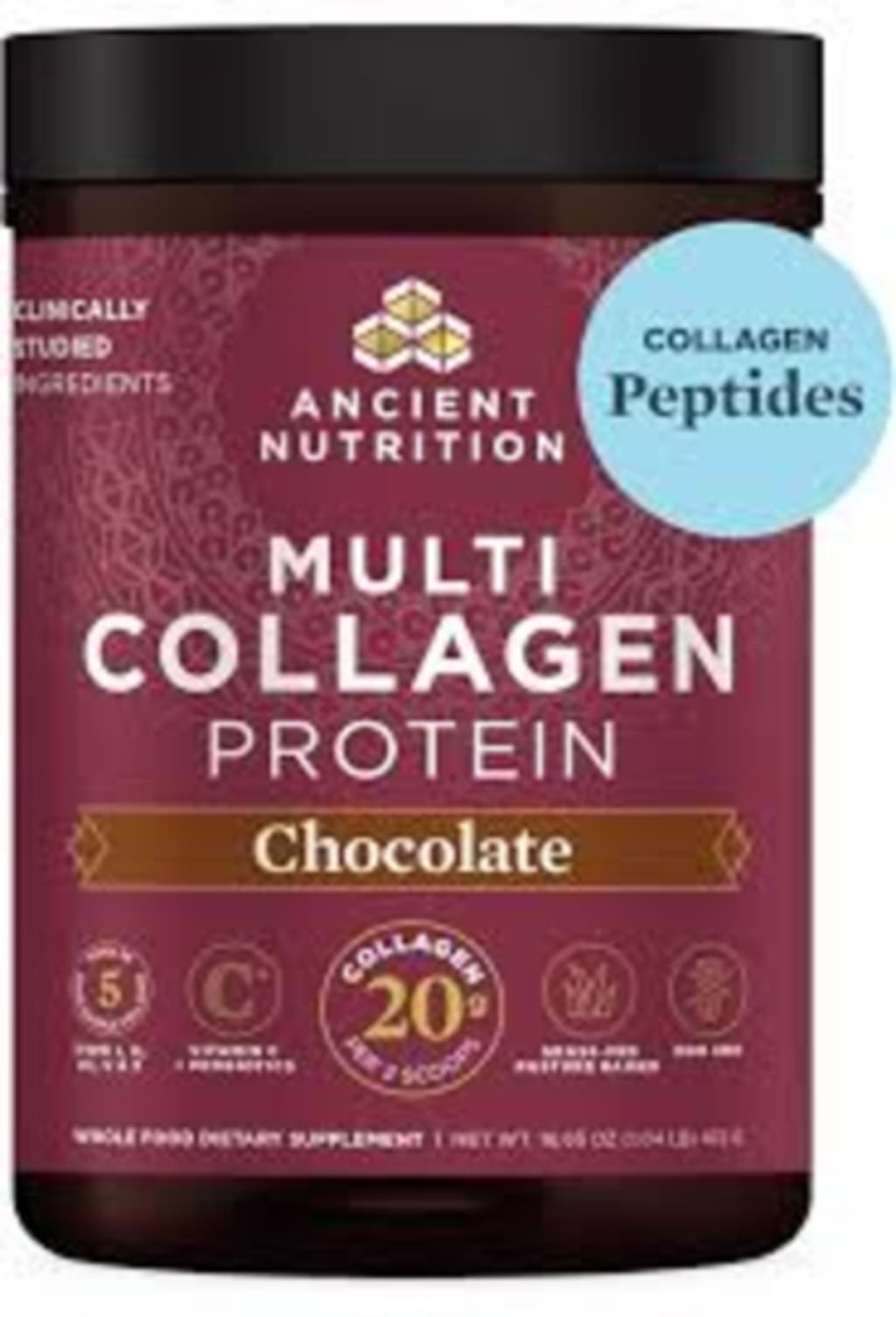
You can get the best collagen product from Amazon.
Limited studies:
A small study in 2017 found that women who took collagen supplements experienced increased hair density, but the sample size was not large enough to draw general conclusions.
B. Nails: Promising but inconclusive results
Reduced breakage:
In a study published in the Journal of Cosmetic Dermatology, taking 2.5 grams of collagen daily reduced nail fragility by 42% after 24 weeks.
Why it improved:
This is attributed to the supplements’ content of proline and glycine, two amino acids necessary for the formation of keratin.
3. Considerations that should not be ignored before purchasing
A. Sources of collagen: Not vegan!
Common sources:
Bovine Collagen: Extracted from the skin of cows, rich in types I and III.
Marine Collagen: Quickly absorbed by the body, suitable for those with allergies to other sources.
Chicken: Rich in type II, which is more beneficial for joints than skin.
B. Supplement Quality: Tips for Safe Choices
Look for third-party certifications:
such as NSF International or USP, which guarantee the product is free of heavy metals (such as arsenic and lead).
Avoid products that are not certified:
They may contain a mixture of cheap animal tissues.
Choose the hydrolyzed type:
Its molecules are smaller, which increases the absorption rate by 90% compared to regular collagen.
C. Side effects and risks:
Digestive problems:
Such as bloating or constipation, especially when taking high doses.
Allergies:
Avoid if you are allergic to fish or eggs.
Medication interactions:
Consult a doctor if you are taking blood-thinning medications (such as warfarin).
4. Natural alternatives to boost collagen without supplements
A. Collagen-boosting diet:
Protein-rich foods:
Such as eggs, meat, and fish (especially salmon).
Vitamin C:
Necessary for collagen formation (citrus fruits, bell peppers, kiwi).
Copper and zinc:
Found in seeds and nuts, they enhance the production of enzymes responsible for collagen synthesis.
B. Daily habits to protect existing collagen:
Use sunscreen:
UV rays destroy 50% of collagen fibers in the skin.
Quit smoking:
Smoking reduces collagen production by 40% due to oxidants.
Reduce sugar:
Excess glucose binds to collagen fibers, making them brittle (a process known as glycation).
5. Conclusion: Are collagen supplements worth trying?
If your goal is to improve your skin:
Yes, especially if you are in the early stages of wrinkles or suffer from dry skin.
If your goal is hair or nails:
You may notice a slight improvement, but do not rely on them as a primary solution.
Groups to avoid:
Pregnant women, breastfeeding women, and people with immune diseases or allergies to animal sources.
6. Final tips from the experts:
Try one type for 3 months:
Don’t mix collagen types to accurately assess the effect.
Choose collagen with vitamin C:
To enhance absorption and maximize benefits.
Don’t forget external care:
Use creams containing retinol or peptides with supplements for faster results.
Track progress:
Take before and after photos to notice subtle changes.
You can get the best collagen product from Amazon.
Final word:
Collagen supplements are not the “elixir of youth”, but they can be a useful addition to your skincare routine when used wisely. Remember, the real secret to healthy
About the Creator
MOHAMED MUFTAH
"Health writer sharing science-backed ideas for a better life. Interested in health, wellness, nutrition, and mindful living."
Keep reading
More stories from MOHAMED MUFTAH and writers in Families and other communities.




Comments
There are no comments for this story
Be the first to respond and start the conversation.