
Never Do This in Front of Your Kids: A Guide to Positive Parenting
Never Do This in Front of Your Kids

Never Do This in Front of Your Kids: A Guide to Positive Parenting
As parents, we all want to provide the best possible environment for our children to grow up in. While we may be well-intentioned, sometimes our actions can have unintended negative consequences. In this article, we will discuss some common things that parents should never do in front of their kids, and provide guidance on positive parenting techniques to help create a healthy and supportive family environment.
Table of Contents
• Introduction
• Using Physical Punishment
• Criticizing or Shaming Your Children
• Fighting with Your Spouse
• Using Drugs or Alcohol
• Ignoring or Neglecting Your Children
• Showing Favoritism
• Using Negative Language or Sarcasm
• Failing to Apologize or Admit Fault
• Discussing Adult Issues
• Lying or Breaking Promises
• Treating Your Children Like Friends
• Overreacting or Losing Control
• Refusing to Listen to Your Children
• Conclusion
• FAQs
Introduction
Being a parent is a challenging and rewarding job that requires us to model positive behaviors for our children. While we may make mistakes along the way, it is important to be mindful of our actions and how they may impact our children's development. Here are some things that parents should never do in front of their kids.
Using Physical Punishment
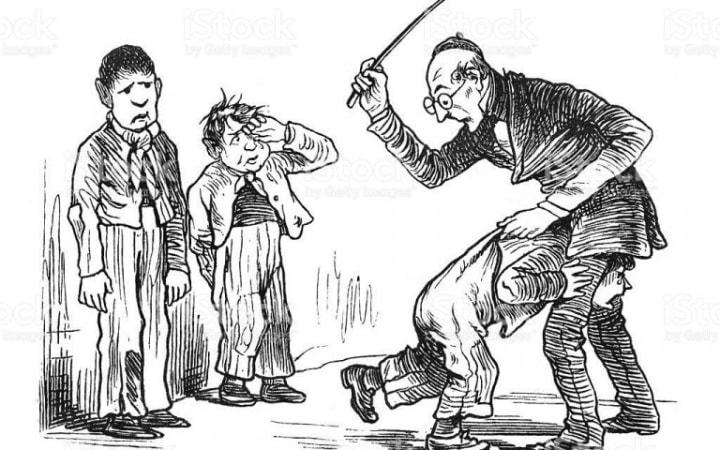
Using physical punishment, such as hitting or spanking, can have lasting negative effects on a child's emotional and psychological well-being. It can lead to aggression, anxiety, and depression, and teaches children that violence is an acceptable way to solve problems. Instead, parents should use positive discipline techniques, such as positive reinforcement and time-outs, to help children learn from their mistakes.
Criticizing or Shaming Your Children

Criticism and shaming can damage a child's self-esteem and confidence. It can also make them less likely to trust and communicate with their parents. Instead, parents should focus on positive reinforcement, praising their children for their strengths and accomplishments, and providing constructive feedback when necessary.
Fighting with Your Spouse

Fighting with your spouse in front of your children can cause them to feel anxious and insecure. It can also teach them unhealthy ways to handle conflict. Instead, parents should model healthy conflict resolution techniques, such as active listening, compromise, and empathy.
Using Drugs or Alcohol

Using drugs or alcohol in front of your children can send the message that substance abuse is acceptable. It can also put your children's safety at risk. Instead, parents should model healthy habits and avoid using substances around their children.
Ignoring or Neglecting Your Children

Ignoring or neglecting your children can have long-term negative effects on their emotional and psychological well-being. It can cause them to feel unloved and unwanted, leading to issues such as anxiety, depression, and behavioral problems. Instead, parents should make time for their children and show them love and affection regularly.
Showing Favoritism

Showing favoritism towards one child over another can cause resentment and jealousy among siblings. It can also lead to low self-esteem and feelings of inadequacy. Instead, parents should treat all of their children fairly and equally.
Using Negative Language or Sarcasm

Using negative language or sarcasm can damage a child's self-esteem and cause them to feel ashamed or embarrassed. It can also make them less likely to communicate with their parents. Instead, parents should use positive language and avoid sarcasm whenever possible.
Failing to Apologize or Admit Fault

Failing to apologize or admit fault can damage a parent-child relationship and teach children to avoid taking responsibility for their actions. Instead, parents should model accountability and apologize when they make mistakes.
Discussing Adult Issues

Discussing adult issues, such as financial problems or relationship issues, can cause children to feel anxious and overwhelmed. It can also create a sense of insecurity and instability in the family. Instead, parents should shield their children from adult problems and have these conversations privately.
Lying or Breaking Promises

Lying or breaking promises can damage a parent-child relationship and erode trust. It can also teach children that lying is acceptable and lead to communication breakdowns. Instead, parents should be honest and follow through on their promises.
Treating Your Children Like Friends
Treating your children like friends can blur boundaries and create an unhealthy dynamic. It can also cause them to feel confused and unsure of their place in the family hierarchy. Instead, parents should establish clear roles and boundaries, while still fostering a close and loving relationship with their children.
Overreacting or Losing Control

Overreacting or losing control in front of your children can cause them to feel scared and overwhelmed. It can also teach them unhealthy ways to handle their own emotions. Instead, parents should model healthy emotional regulation techniques, such as taking deep breaths or taking a break to cool down.
Refusing to Listen to Your Children

Refusing to listen to your children can cause them to feel unheard and unimportant. It can also create a communication breakdown and make it difficult for them to trust and confide in their parents. Instead, parents should actively listen to their children and validate their feelings.
Conclusion
As parents, we have a responsibility to model positive behaviors and create a healthy and supportive family environment for our children. By avoiding these common mistakes and focusing on positive parenting techniques, we can help our children grow into confident, empathetic, and resilient adults.
FAQs
1. Is physical punishment ever acceptable in disciplining children?
No, physical punishment can have lasting negative effects on a child's emotional and psychological well-being. It is important to use positive discipline techniques, such as positive reinforcement and time-outs, to help children learn from their mistakes.
2. How can I effectively communicate with my child?
Active listening and validation are key components of effective communication with children. It is important to listen to their thoughts and feelings without judgment and provide them with validation and support.
3. What can I do if I've already made some of these mistakes in front of my children?
It's never too late to make positive changes and model healthy behaviors for your children. Apologize for any mistakes you may have made and focus on positive parenting techniques moving forward.
4. Is it ever appropriate to discuss adult issues with my children?
It is important to shield children from adult problems and have these conversations privately. However, it may be appropriate to have age-appropriate discussions with older children to help them understand certain situations.
5. How can I discipline my child without physical punishment?
Positive discipline techniques, such as positive reinforcement, time-outs, and natural consequences, can be effective in disciplining children without resorting to physical punishment. It is important to be consistent and provide clear expectations and consequences.




Comments
There are no comments for this story
Be the first to respond and start the conversation.