
Mindfulness for Kids: Cultivating Emotional Resilience from an Early Age
SOS -Smallest of Strength

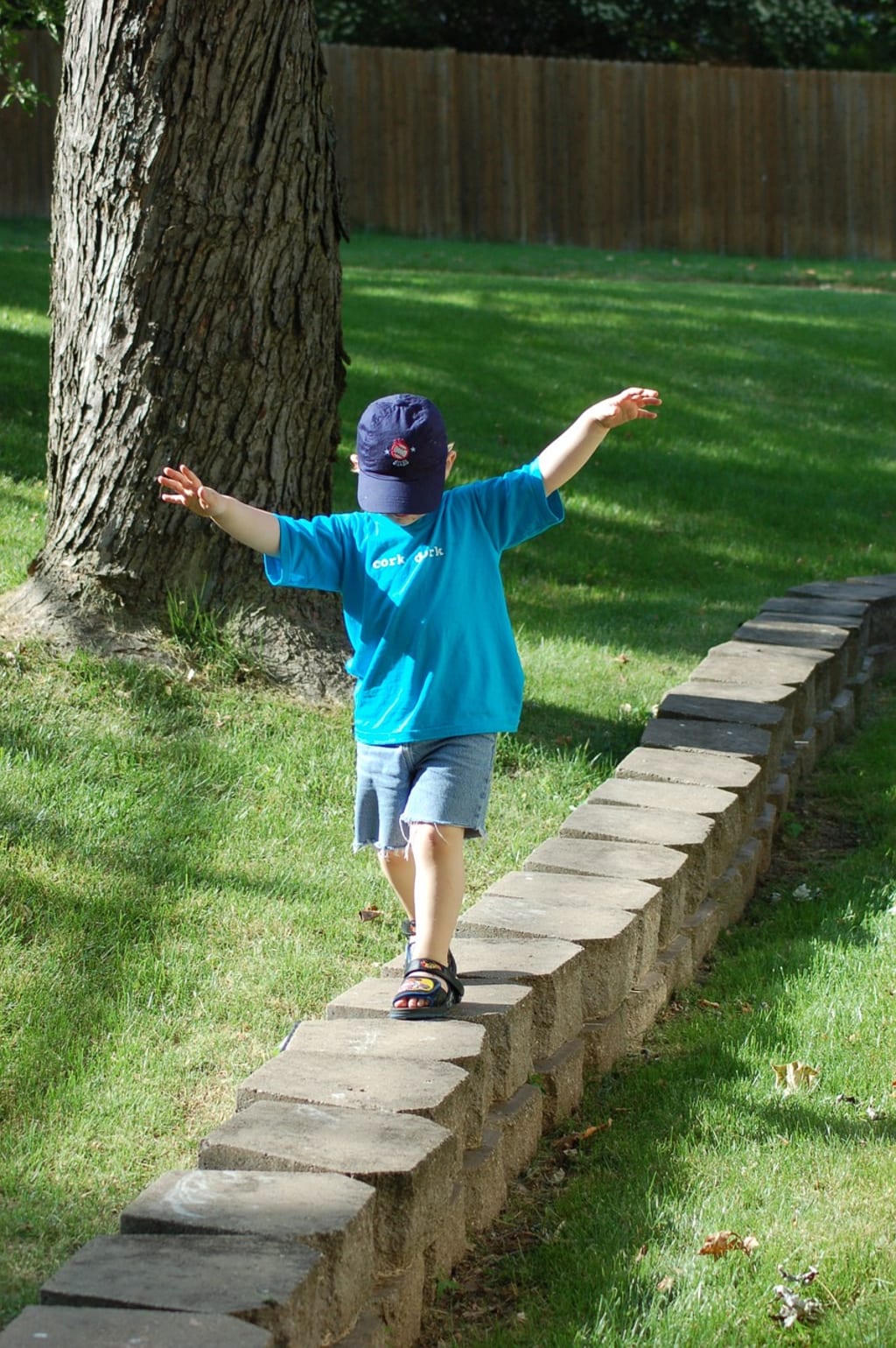
In today's fast-paced world, equipping our children with the tools to navigate life's challenges is more critical than ever. One powerful tool that has gained significant recognition is mindfulness. Mindfulness is also a valuable practice for children, often associated with adults, as it can help them cultivate emotional resilience from an early age. Encouraging mindfulness in children can empower them to handle stress, build self-awareness, and develop healthy coping mechanisms. Let's explore the benefits of mindfulness for kids and some inspiring real-life examples.
At its core, mindfulness is paying attention to the present moment without judgment. For children, this means fully engaging in their actions, noticing their thoughts and feelings, and learning to respond rather than react impulsively. By fostering mindfulness, children can develop emotional resilience, which enables them to bounce back from setbacks and handle difficult emotions effectively.
One remarkable example of mindfulness for kids is the story of Emma, a 9-year-old who struggled with anxiety. Emma's parents introduced her to simple mindfulness exercises, such as deep breathing and body scans. Through consistent practice, Emma learned to recognize her anxious thoughts and acknowledge her feelings without judgment. As a result, she could calm herself down and approach challenging situations with a greater sense of ease. Emma's journey illustrates how mindfulness can empower children to manage their emotions and build resilience.
Another inspiring example comes from a classroom setting. Mr. Johnson, a compassionate teacher, integrated mindfulness into his daily routine. He began each day with a brief mindfulness exercise, encouraging his students to sit quietly and focus on their breath. Over time, he noticed a positive shift in the classroom atmosphere. The students became more attentive, empathetic, and better able to regulate their emotions. By practicing mindfulness together, Mr. Johnson's students learned the importance of self-care and developed valuable life skills.
Mindfulness can also be introduced through interactive activities. The children participated in a "mindful eating" exercise in one school. They were given a piece of chocolate and instructed to use all their senses to experience it fully. The children noticed the chocolate's texture, smell, and taste, savoring each bite mindfully. This activity brought joy to the children and taught them the art of mindful consumption and being present in the moment.
The benefits of mindfulness extend beyond emotional well-being. Research has shown that mindfulness practice improves children's attention span, cognitive flexibility, and academic performance. By training their minds to focus and be fully present, children become more engaged in their learning and can develop a deeper understanding of their study subjects.
Parents and educators can take simple steps to incorporate mindfulness into children's lives. Encourage children to take breaks and engage in mindful activities such as coloring, yoga, or walking in nature. Teach them basic breathing exercises that can be used during stress or anxiety. Leading by example and demonstrating mindfulness in your actions and conversations is essential.
Remember, mindfulness is not about perfection; it is about progress. Children may find it challenging to sit still or quiet their minds at first, but with patience and encouragement, they can gradually develop the skills needed for mindfulness. Celebrate their efforts and create a supportive environment where they feel safe to explore and express their emotions.
By cultivating mindfulness in children, we provide them with an invaluable tool to impact their lives positively. Mindfulness empowers them to navigate challenges with resilience, be more present in their experiences, and develop a deeper understanding of themselves and others. Let's nurture the next generation by instilling the practice of mindfulness and watch them thrive in a world that often demands their attention and emotional strength.
“The little things? The little moments? They aren’t little.” ~ Jon Kabat-Zinn
About the Creator
Cynthia Wolf
Caught in a death trap, the worst kind of mind prison. A lightning bolt surged through me. If one person has passed on the volts of electricity bestowed upon me, mission accomplished. The fire in me now lives in you SOS Sharing Our Story Xo
Keep reading
More stories from Cynthia Wolf and writers in Families and other communities.
Kind People Are My Kind of People: Spreading Love and Creating Positive Change
Introduction: Kindness is a simple yet transformative act that can brighten someone's day, mend broken hearts, and create ripples of positivity that extend far beyond our immediate interactions. In a world that can often feel divided and disconnected, embracing kindness is a powerful way to bridge gaps, foster compassion, and inspire positive change. In this article, we will explore the power of kindness and share inspiring real-life examples of individuals who have made a difference through their acts of kindness. Get ready to be inspired, uplifted, and motivated to spread love, create positive change, and make kindness a way of life.
By Cynthia Wolf3 years ago in Families
Wise~Guys
— Look Behind what's in Front of You ~ Make Good Choices — Hey, So how you Doin'..! Made~Men — Mobster Movies romanticise a distinctive, elegant appearance, impeccable attire style, along with the 'Families' expressive lingo. Making their 'Bones' gave them Panache — with vintage fedoras, tailored pin-striped suits, mirror-polished wing-tip shoes adorned with tassels; with their 'Gun Moll' gorgeous dates on their arms.
By Jay Kantor19 days ago in Families




Comments
There are no comments for this story
Be the first to respond and start the conversation.